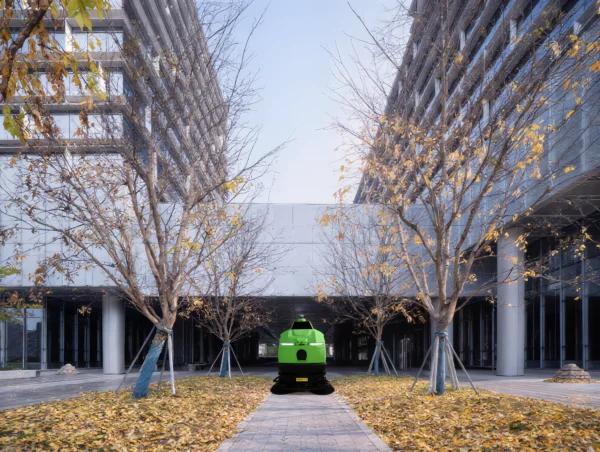
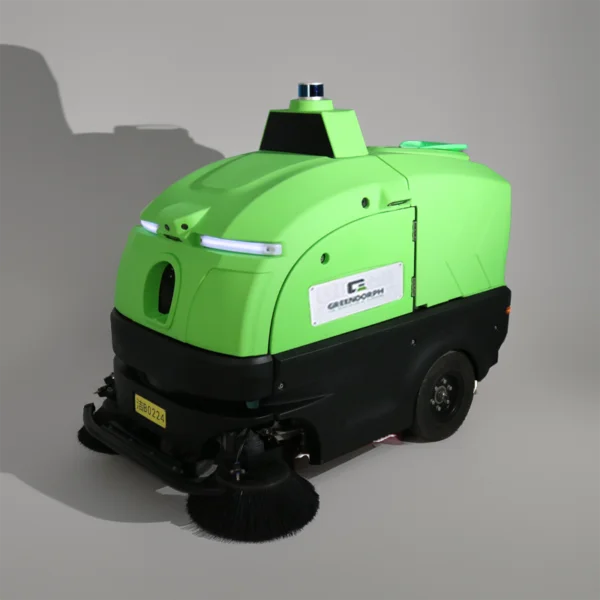
At Greendorph, we’ve watched facility managers transition from one or two units to entire fleets of outdoor cleaning robot systems. That growth brings new challenges: charging coordination, maintenance scheduling, and performance tracking across multiple machines. As a supplier focused exclusively on smart sanitation for large outdoor areas, we’ve developed fleet management protocols that scale. This guide shares what we’ve learned from deployments across industrial campuses, parks, and school districts.
Standardizing Your Outdoor Robot Cleaner Fleet for Operational Consistency
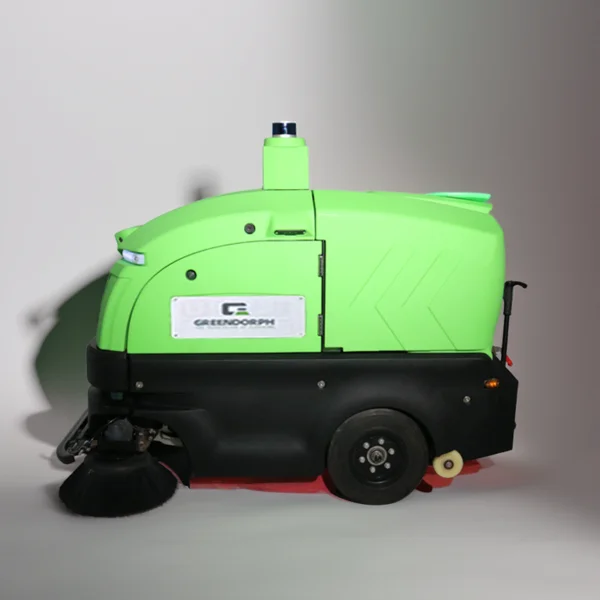
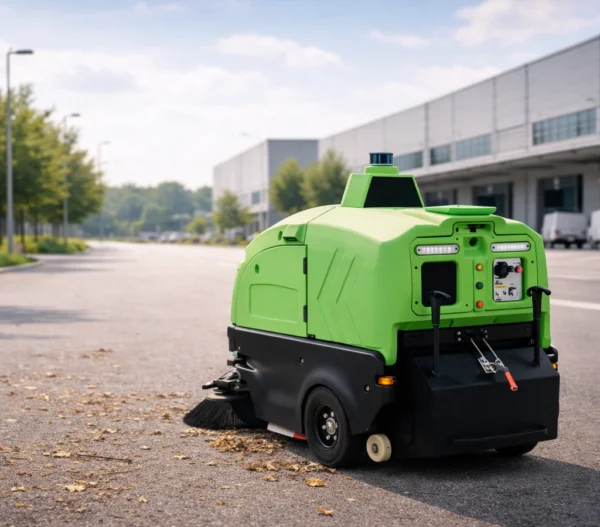
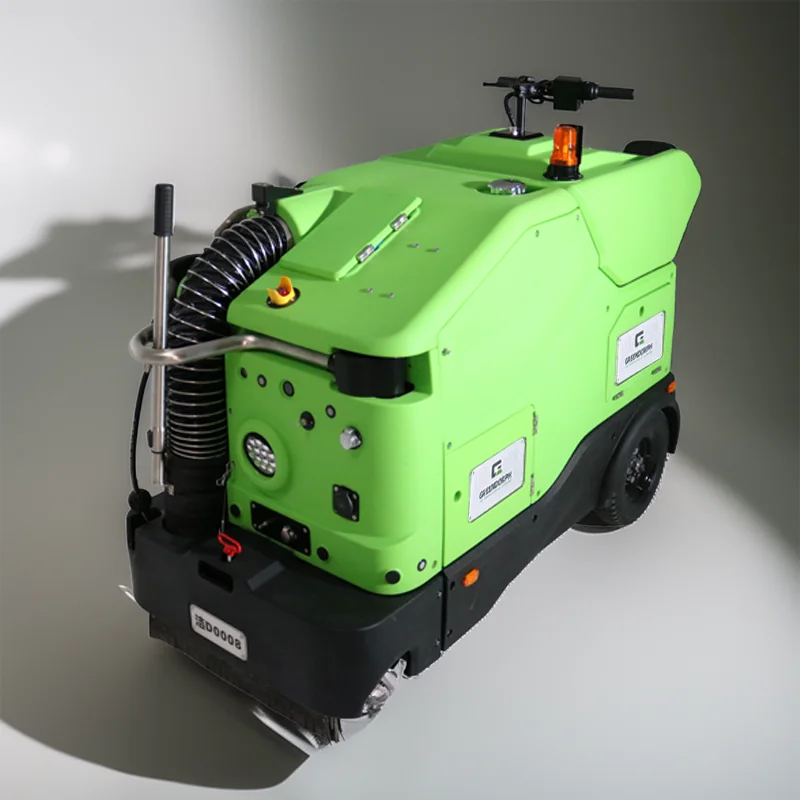
The first mistake we see is mixing different generations or brands of outdoor cleaning robot units. Each model has unique battery requirements, brush replacement intervals, and software interfaces. Managing a heterogeneous fleet multiplies training time and spare parts inventory. Instead, we recommend standardizing on a single outdoor robot cleaner platform—like the Auto Sweeper YJ130—across your entire facility.
The YJ130 delivers over 95% cleaning efficiency with three auxiliary functions: suction, airflow-assist, and misting spray. When every unit shares the same 6-8 hour continuous runtime and 3.6 km/h movement speed, fleet scheduling becomes predictable. You can rotate units through charging stations without guessing which machine needs what. Standardization also simplifies operator training. Every outdoor cleaning robot behaves identically, reducing errors and downtime.
Building a Rotation and Charging Schedule for Maximum Uptime
A fleet of outdoor robot cleaner units requires disciplined energy management. We advise clients to segment their fleet into three groups: active cleaning, charging, and standby maintenance. For the YJ130, with 6-8 hours of runtime per charge, a typical shift pattern looks like this:
Group A cleans from 6 AM to 2 PM
Group B charges from 6 AM to 2 PM, then cleans from 2 PM to 10 PM
Group C undergoes brush replacement, sensor calibration, and software updates
This rotation ensures no single outdoor cleaning robot is overused while keeping coverage continuous. For large areas like industrial campuses or multiple sidewalk zones, stagger start times so at least one unit always operates during peak debris hours.
Tracking Performance Metrics Across Your Outdoor Cleaning Robot Fleet
You cannot manage what you do not measure. Every outdoor robot cleaner in your fleet should report daily metrics: area covered (the YJ130 handles 5,760 m² per hour), battery cycles, brush wear, and error events. We recommend a simple dashboard that flags units falling below 90% cleaning efficiency or showing reduced runtime. Those machines need preventive maintenance before they fail mid-shift.
Smart Fleet Management Starts Here
Managing a fleet of outdoor cleaning robot systems doesn’t have to be complicated. At Greendorph, our Auto Sweeper YJ130 units are designed for consistent performance across parks, schools, and industrial campuses. Standardize your fleet, build a three-group rotation, and track key metrics daily. Contact us for our fleet management template—built specifically for outdoor robot cleaner deployments covering more than 10,000 square meters.