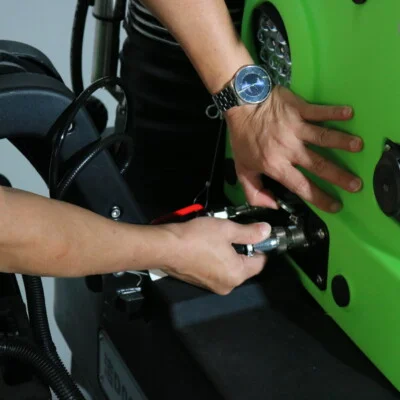
When a fleet relies on automated machinery to maintain pristine public spaces, even minor technical pauses can disrupt the entire maintenance schedule. At Greendorph, we treat every system stall as a data point, providing us with a clearer view of how to maintain reliability in the field. Resolving software errors in a street sweeper requires a systematic approach that balances hardware integrity with digital responsiveness. By addressing these interruptions early, we ensure that municipal assets remain functional during peak operational windows.
Diagnosing Connectivity and Sensor Failures
Modern equipment often experiences pauses due to sensor calibration issues or network communication delays. If your small street sweeper stops unexpectedly, the first step involves checking the wireless connection stability between the unit and the central control hub. Often, these glitches arise from signal interference in dense urban corridors or outdated firmware that requires an immediate patch. Greendorph technicians prioritize checking these digital handshakes to prevent false error codes. When the system fails to relay location data or task progress, the hardware may enter a safety mode to prevent collisions, making connectivity checks a vital part of our routine diagnostic process.
Managing Firmware Compatibility and Update Cycles
Software integrity depends heavily on maintaining updated firmware versions that align with the specific operational parameters of your street sweeper. If the onboard processing unit is not synchronized with the latest updates, the machine might display erratic behavior or struggle to complete pathfinding calculations. We find that many operators overlook these periodic updates, which results in the accumulation of minor bugs that compound over time. Regular maintenance schedules at Greendorph include a thorough review of the system architecture to confirm that every piece of logic remains compatible with the current environment. This proactive management prevents the downtime that frequently occurs when hardware and software fall out of alignment.
Analyzing Error Logs for Predictive Maintenance
When an unexpected issue arises with your small street sweeper, the internal logs serve as the most reliable evidence for root cause analysis. These digital reports track every command executed and every obstruction encountered, allowing us to identify patterns that lead to crashes or system freezes. By examining these files, we often find that specific conditions, such as high moisture levels or unusual debris, trigger certain software safeguards that manifest as glitches. We interpret this data to refine the operating parameters of the fleet, ensuring that future missions proceed without these specific hurdles. Accessing this level of granular detail turns a frustrating technical event into an opportunity for long-term fleet optimization.
Ensuring Consistent Operational Reliability
Maintaining complex equipment demands a disciplined focus on both mechanical wear and digital precision. While the hardware performs the physical labor, the software governs the intelligence of the operation, making it essential to keep both systems healthy and communicative. By identifying the origin of technical pauses, maintaining up-to-date firmware, and leveraging diagnostic logs, we ensure that every unit remains a productive component of the municipal maintenance effort. Consistent attention to these details allows us to support cleaner public environments while maximizing the functional lifespan of every machine in the field.