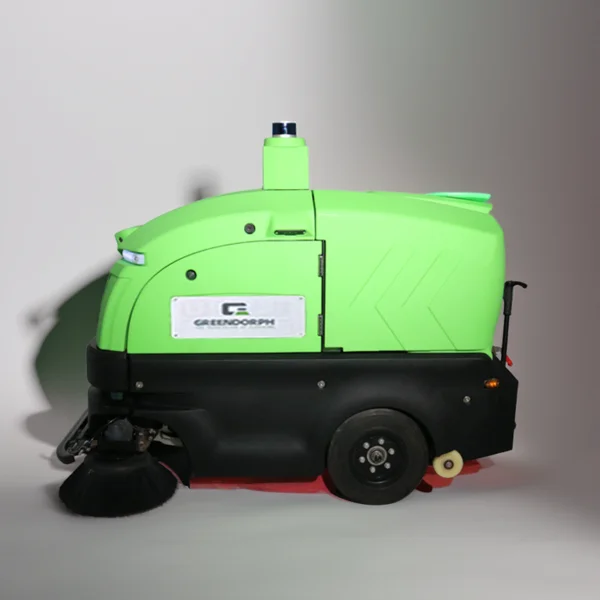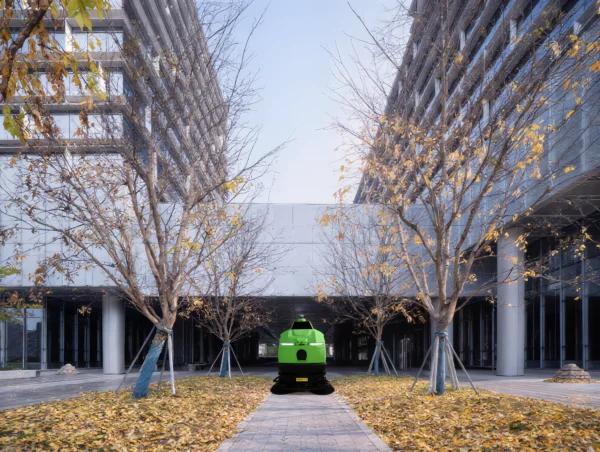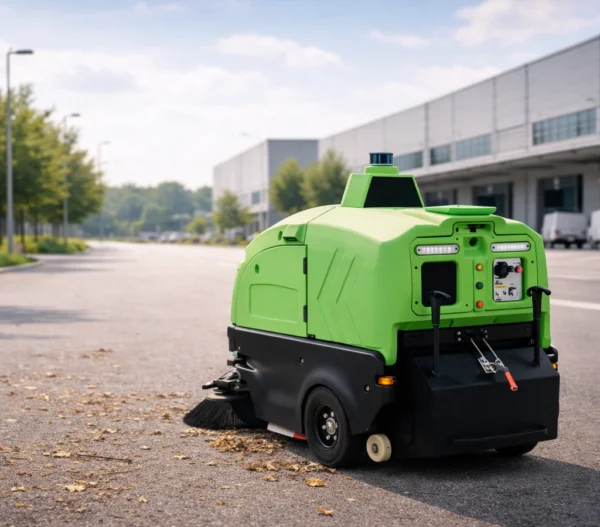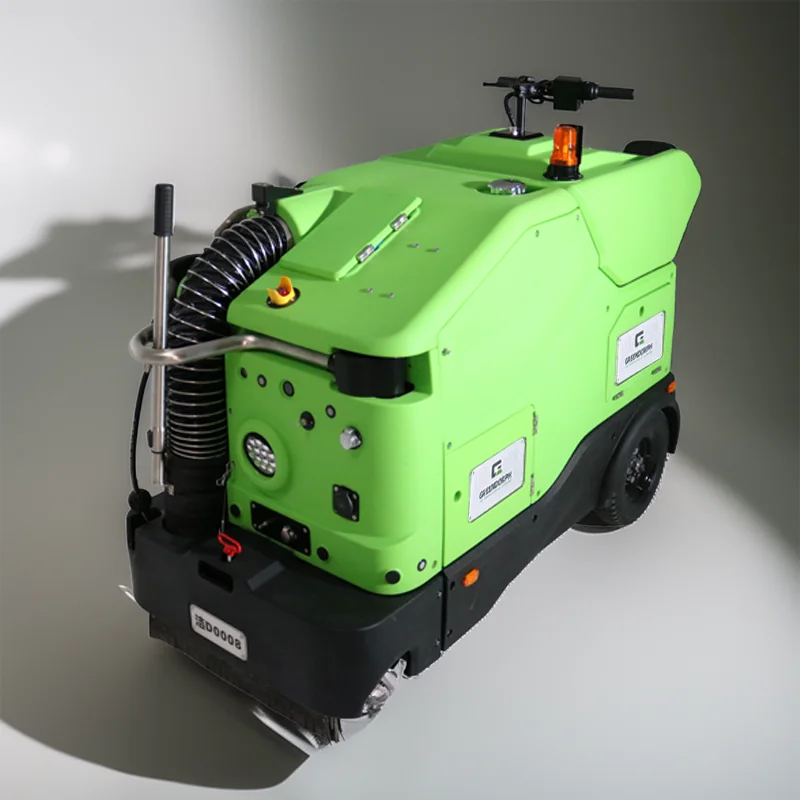
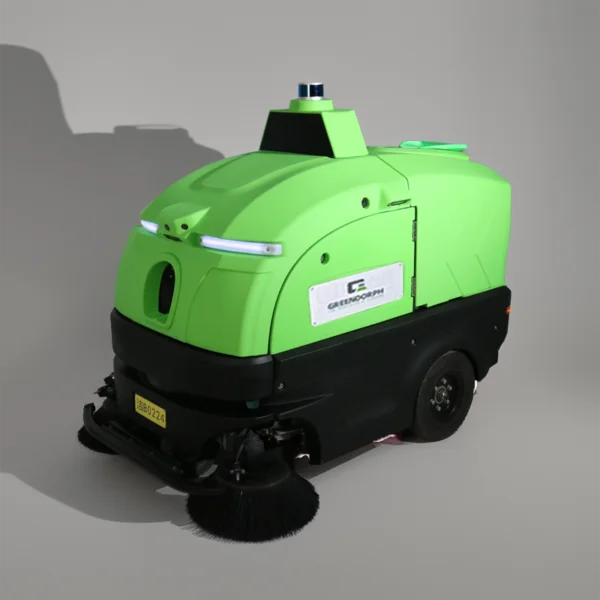
Maintaining clear pathways across massive logistics centers relies on the consistent performance of automated sanitation hardware. When a mechanical failure interrupts a scheduled route, the impact ripples through the entire supply chain, causing unnecessary delays in facility upkeep. At Greendorph, we treat sensor calibration and firmware stability as the most critical aspects of fleet management. Relying on a warehouse sweeper requires a structured approach to diagnostics, ensuring that optical sensors and navigation software communicate without latency to keep operations flowing smoothly.
Identifying Sensor Obstructions and Signal Noise
Sensors serve as the eyes of autonomous equipment, and their accuracy dictates how effectively a unit maps a workspace. We often find that dust accumulation or external light interference causes common errors, leading to abrupt halts or inefficient route mapping. When a warehouse sweeper machine stops unexpectedly, our technicians prioritize inspecting the sensor arrays for physical obstructions before reviewing internal diagnostic logs. Keeping these components clean prevents the software from misinterpreting the environment, which is vital for maintaining steady progress in cluttered distribution environments.
Resolving Software Logic and Communication Lags
Firmware version mismatches or connectivity drops between the base station and the unit frequently trigger warning alerts. A warehouse sweeper must interpret real-time data to adjust its path, and any delay in data processing creates a bottleneck in its operational logic. We advocate for routine software updates to patch known communication vulnerabilities and refine how the hardware handles dynamic changes, such as moving forklifts or stacked inventory. By ensuring our systems run on stable code, we avoid the complications that arise when outdated software attempts to process complex spatial variables.
Implementing Preventive Diagnostic Protocols
Proactive maintenance prevents the need for reactive repairs. We establish rigorous schedules to verify that the internal operating system of a warehouse sweeper machine remains synced with the facility’s master navigation map. Greendorph emphasizes that a methodical approach to checking sensor health during off-peak hours provides the insights required to anticipate failures. Through consistent firmware auditing and sensor stress testing, our team minimizes downtime, ensuring the equipment remains ready for the demands of high-volume industrial zones where precision is non-negotiable.
Maintaining Operational Continuity
Reliability is the core objective for any facility manager overseeing automated sanitation assets. We recognize that the intersection of physical sensor integrity and intelligent software design determines the success of your maintenance program. By maintaining a clean hardware environment and staying disciplined with software patches, you ensure that your warehouse sweeper and your warehouse sweeper machine work as intended. Greendorph supports these operational goals by focusing on the technical nuances that keep equipment moving, ultimately helping you maintain a safe and productive environment for your staff and assets.