Facilities management faces a constant pressure to balance labor availability with the demand for immaculate floor surfaces. As we examine the current landscape of commercial maintenance, the shift toward autonomous equipment is becoming more pronounced, particularly in environments where high foot traffic makes manual methods inefficient. At Greendorph, we have observed that site managers are increasingly looking for ways to integrate smarter technology into their daily cleaning routines. By focusing on systems that minimize human intervention, organizations can achieve a consistent level of hygiene while optimizing their operational budgets.
Precision Engineering in Commercial Environments
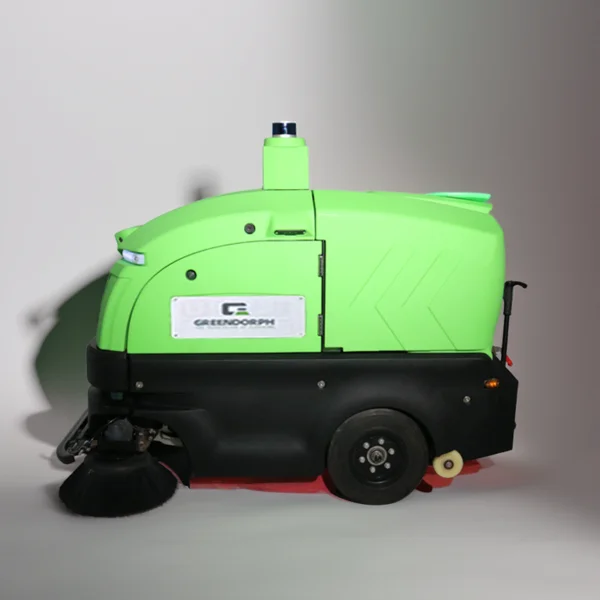
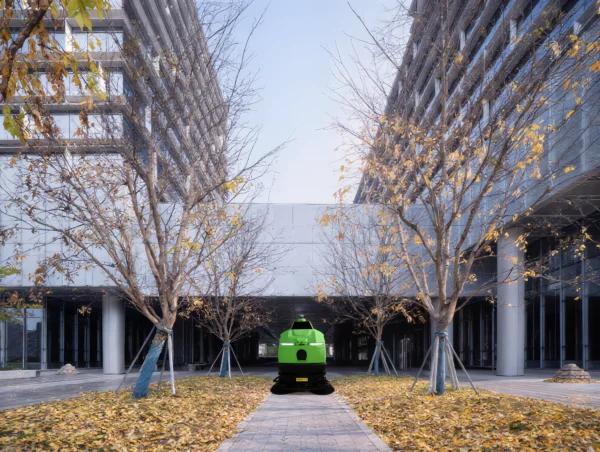
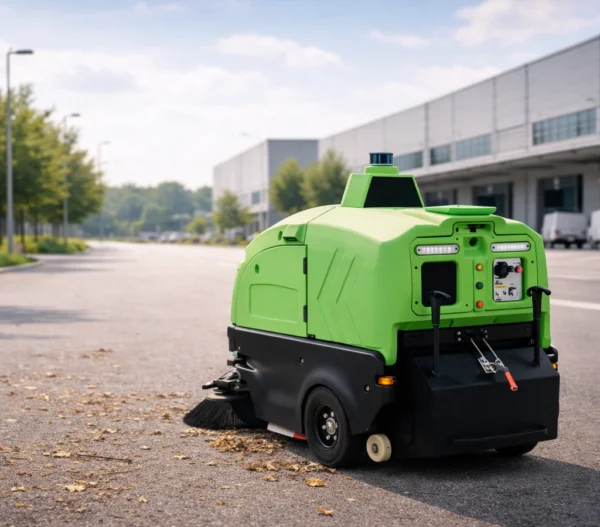
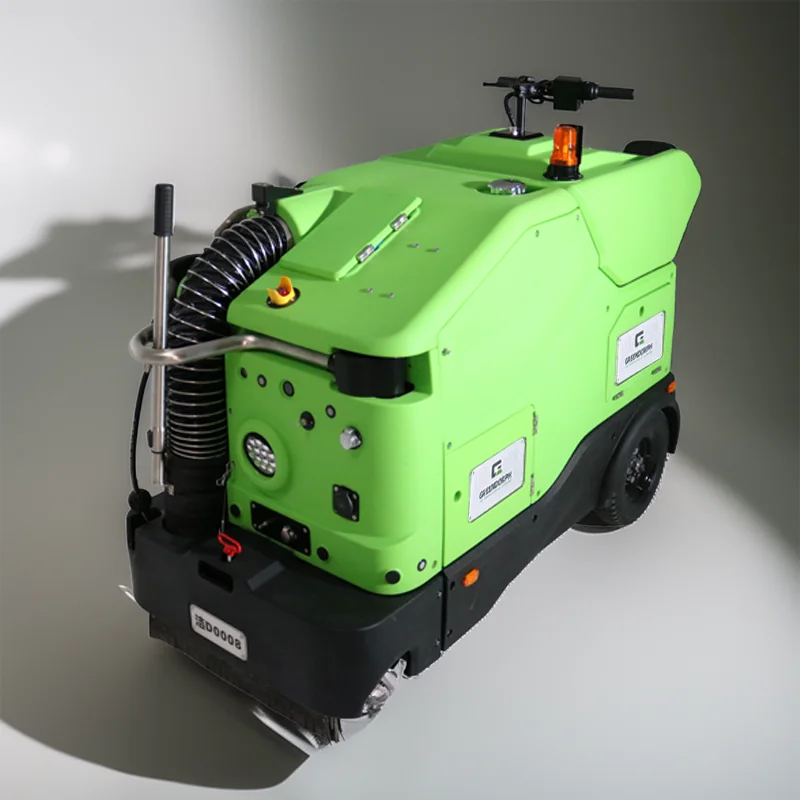
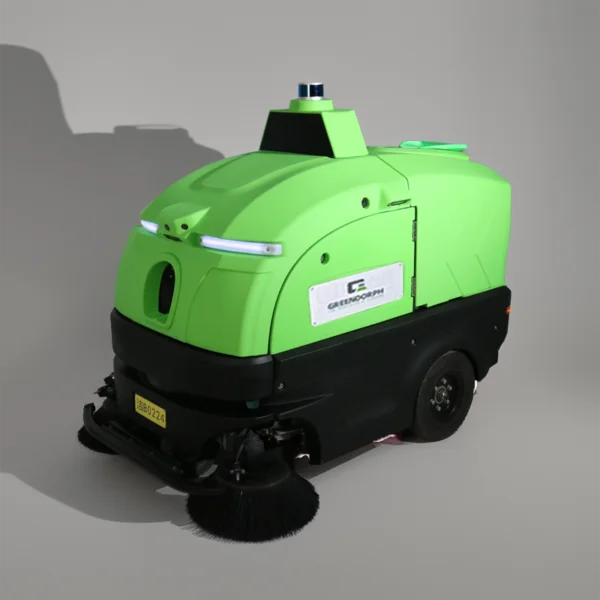
The design of a modern floor cleaning machines category focuses on more than just suction and scrubbing power; it centers on adaptability. These units use advanced sensors to detect floor types and obstacles, allowing them to provide a thorough clean without manual guidance. When we deploy such technology, the primary goal is to ensure that the equipment can handle diverse surfaces—from polished concrete in logistics hubs to sensitive tiling in corporate lobbies—with equal efficacy. This capability ensures that maintenance teams can handle larger square footage in less time, reducing the physical strain on staff.
Data-Driven Facility Oversight
Integration of a specialized machine for cleaning floors allows facility managers to collect valuable data regarding floor usage and maintenance frequency. Instead of relying on manual logs, we find that autonomous systems provide detailed reports on areas cleaned, battery life, and overall productivity metrics. This granular visibility helps teams make informed decisions about their maintenance cycles and resource allocation. By leveraging Greendorph insights, managers can identify high-traffic zones that require more attention and adjust schedules accordingly, ensuring that cleanliness remains a constant rather than a periodic occurrence.
Improving Operational Sustainability
Sustainability is a key metric in the procurement process for modern facilities. A high-quality machine for cleaning floors unit contributes to this by optimizing water usage and chemical disbursement, reducing waste significantly compared to manual mopping. We have worked with various stakeholders who prioritize these systems because they offer a consistent cleaning standard while lowering the environmental impact of maintenance operations. As we continue to refine our approach at Greendorph, it becomes evident that the focus on energy-efficient automation is a core component of future-proofing a facility against rising maintenance costs.
Evaluating the Impact of Automation
The transition to autonomous maintenance reflects a broader move toward efficiency across all sectors. Adopting a machine for cleaning floors allows organizations to reclaim valuable time, shifting the focus of human personnel toward higher-value tasks rather than repetitive custodial labor. We believe that the integration of such technology is essential for any facility aiming to maintain high hygiene standards without increasing the complexity of their internal operations. As these systems become more intuitive and capable, they will undoubtedly play a fundamental role in how we perceive property maintenance and long-term facility care.