The rapid growth of metropolitan areas necessitates a more sophisticated approach to property maintenance and infrastructure cleanliness. At Greendorph, we recognize that the physical upkeep of public spaces acts as a silent contributor to urban functionality and resident satisfaction. By incorporating advanced mechanical systems into city maintenance plans, municipalities can manage large-scale sanitation tasks with newfound precision. We often evaluate how an industrial cleaning machine integrates into existing smart city frameworks, shifting the focus from labor-intensive manual methods to data-driven, automated cycles that improve the overall efficiency of public works.
Adapting Hardware for Municipal Requirements
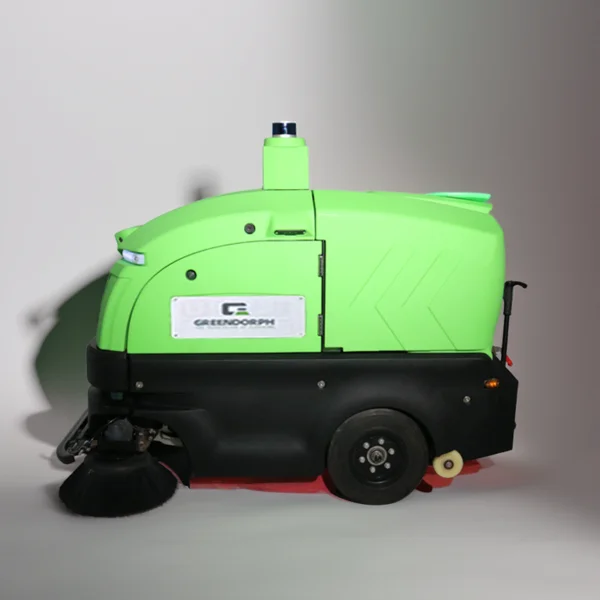
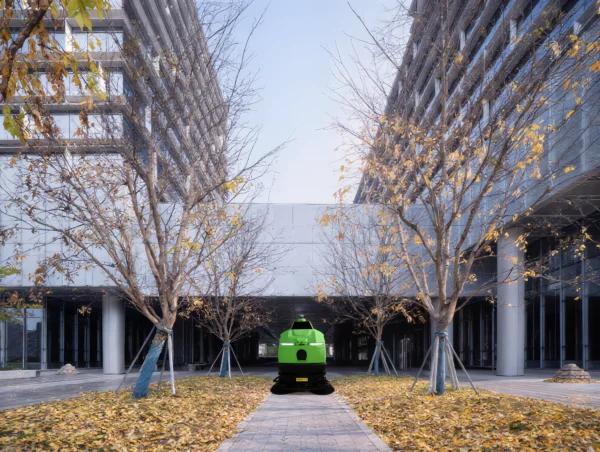
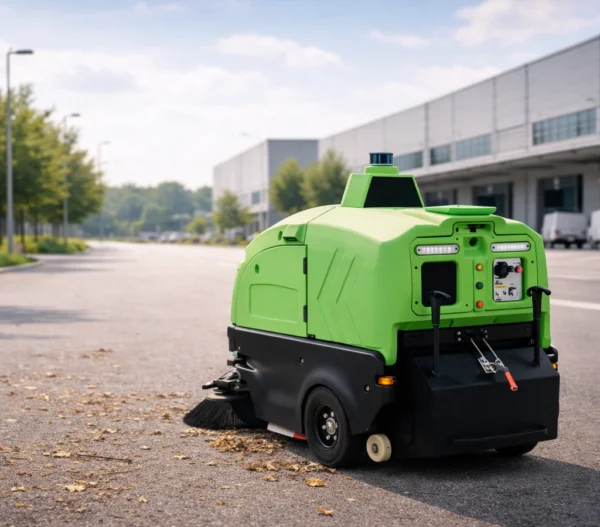
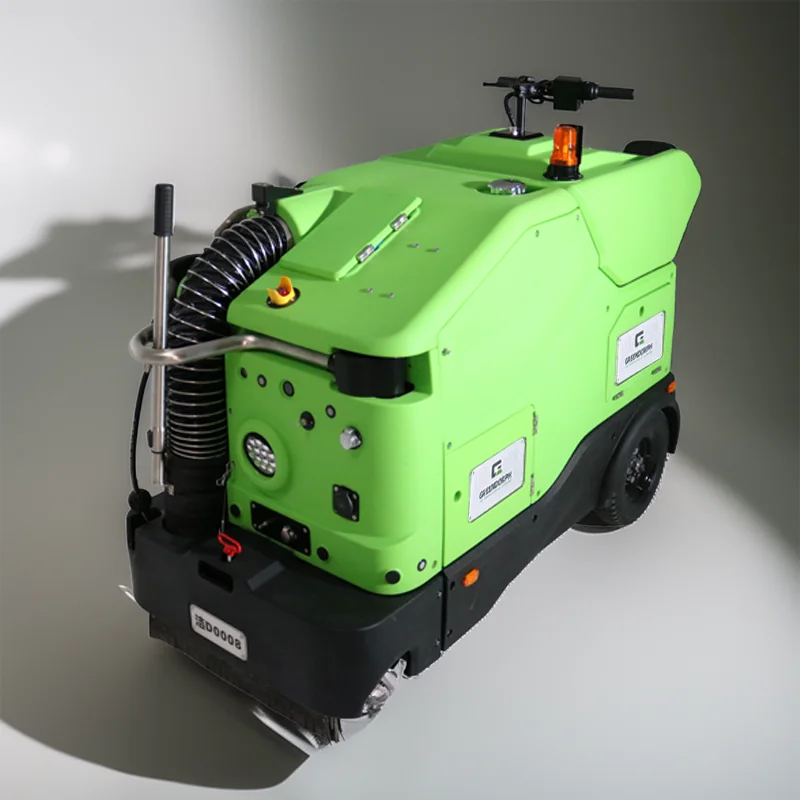
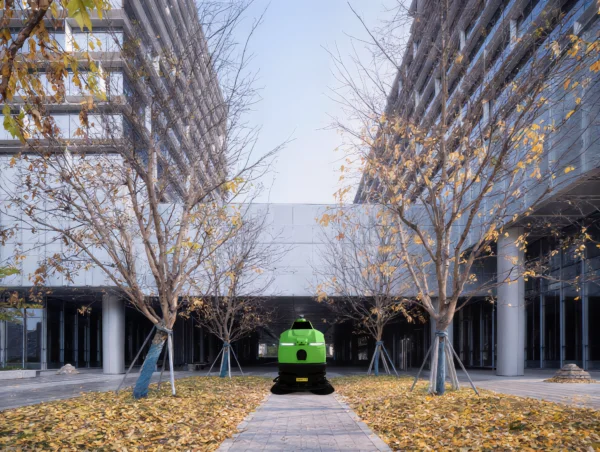
Integrating modern sanitation technology into public infrastructure requires careful consideration of machine footprint and operational capability. When we analyze the deployment of an industrial ride on floor sweeper machine, we focus on its ability to maneuver through diverse urban environments, such as transport hubs and expansive public plazas. These environments demand equipment that can operate autonomously without disrupting the flow of pedestrians or existing traffic patterns. Our focus remains on the scalability of these units, ensuring that each machine provides consistent cleaning power while adhering to the noise and safety regulations characteristic of high-density metropolitan zones.
Data-Driven Maintenance and Asset Optimization
The transition toward smart city management relies heavily on the quality of data provided by sanitation assets. We utilize real-time diagnostics to track the performance of every industrial cleaning machine in our network, allowing us to monitor battery health, debris collection volume, and path coverage. This information is vital for optimizing cleaning schedules and ensuring that equipment is deployed where it is needed most. At Greendorph, we treat these machines as interconnected nodes within a broader infrastructure, providing municipal managers with the visibility required to allocate resources effectively across vast facility networks.
Managing Complex Logistics in Public Spaces
Operating heavy-duty equipment in public areas involves addressing unique logistical hurdles, from charging infrastructure to obstacle detection protocols. An industrial ride on floor sweeper machine must navigate these challenges while maintaining a high standard of cleanliness. We prioritize the installation of robust sensor suites that allow the equipment to adapt to unexpected changes in the environment, such as temporary construction or crowd movement. By hardening the software and hardware against these external variables, we ensure that the sanitation process continues without unnecessary interruptions, regardless of the complexity of the urban setting.
Sustaining Urban Infrastructure with Intelligent Sanitation
Successful city maintenance is defined by the consistent application of reliable, intelligent technology. We have found that the synergy between durable mechanical engineering and sophisticated software systems provides the most effective pathway toward cleaner urban spaces. By deploying an industrial cleaning machine alongside a strategic, automated industrial ride on floor sweeper machine fleet, municipalities can achieve a higher level of sanitation than ever before. Greendorph remains dedicated to refining these integration processes, ensuring that our technical solutions meet the rigorous demands of smart cities. When we combine high-performance equipment with a clear operational strategy, we create environments that stay clean, safe, and welcoming for every citizen.