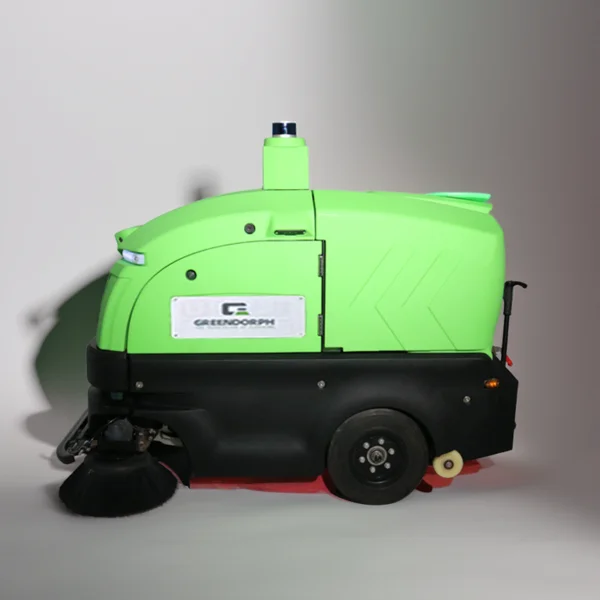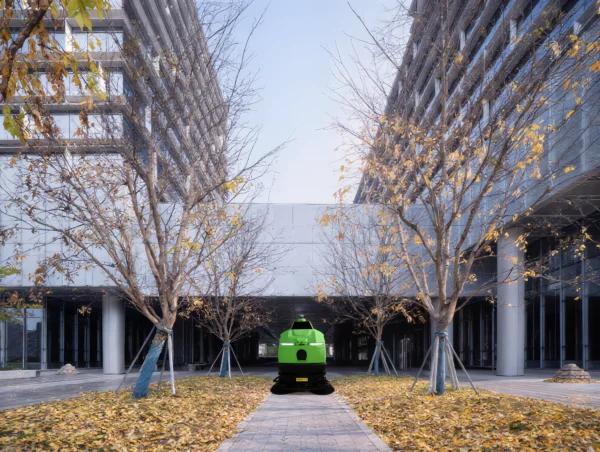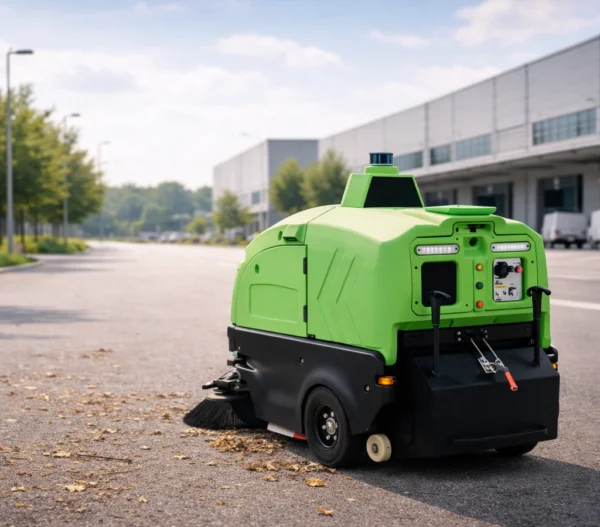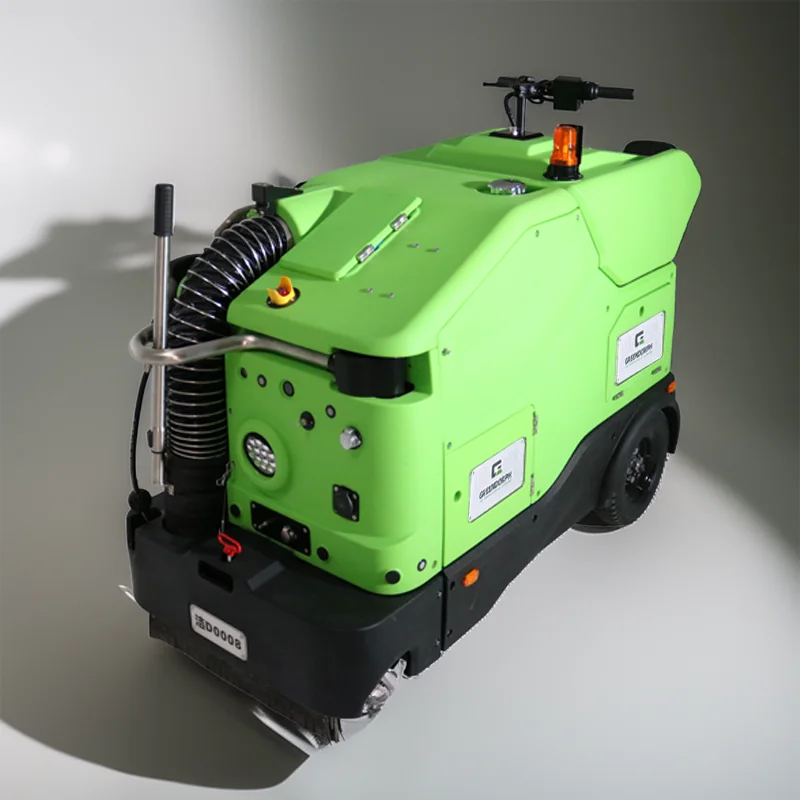
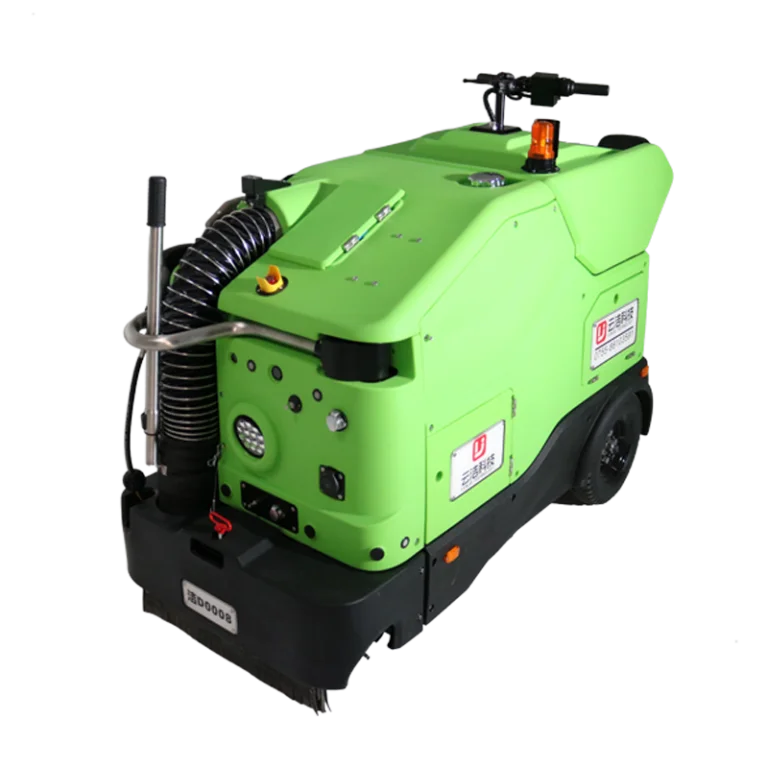
When the objective is to maintain spotless urban thoroughfares, the choice between suction-based systems and traditional rotary brushes has significant implications for facility managers. We often evaluate how different mechanical approaches handle varied debris profiles, ranging from fine dust to heavier particulate matter. At Greendorph, our technical focus remains on how a street vacuum utilizes airflow to remove contaminants versus the mechanical force required by traditional bristles. By evaluating the physics of each system, we help city operators achieve greater cleanliness with fewer operational interruptions.
Mechanical Dynamics of Rotary Brushes
Traditional sweeping systems rely on mechanical agitation to lift debris into a hopper. This process is effective for bulky items but often struggles with fine silica or hazardous dust, which can become airborne during the brush rotation. We have observed that these systems require frequent maintenance, as the bristles suffer from rapid wear and tear due to constant ground friction. Furthermore, the reliance on mechanical force alone means that surfaces may not receive the deep cleaning required for modern environmental compliance. Relying on such methods often leaves a film of fine dust that necessitates a second pass with more advanced equipment.
Suction Power and Particle Containment
The primary advantage of a high-capacity road vacuum cleaner machine lies in its ability to generate consistent negative pressure, drawing debris directly into a secure containment unit. By eliminating the need for excessive mechanical agitation, these machines significantly reduce the amount of dust released into the surrounding air. We prioritize this suction-first approach because it ensures that once debris is lifted, it remains trapped until the disposal phase. This is particularly vital for maintenance teams working in areas with high pedestrian density, where air quality and noise levels remain under strict observation by municipal authorities.
Operational Durability and Long-Term Value
Hardware longevity serves as a central pillar in our assessment of sanitation fleets. A street vacuum operates with fewer moving parts at the contact point compared to brush-based units, which translates to reduced downtime for repairs and part replacements. We find that the structural integrity of vacuum-based systems allows for extended runtimes, making them a more reliable choice for demanding schedules. Greendorph emphasizes that when you invest in suction-based technology, you are essentially reducing the recurring labor and mechanical costs that often plague older, brush-dependent maintenance configurations.
Determining the Proper Strategy for Urban Maintenance
Effective city sanitation is a result of matching the right technology to the specific environment. While mechanical brushes serve a purpose in specific agricultural or industrial settings, the precision of a road vacuum cleaner machine is unmatched for urban streets. We suggest that managers focus on the volume and type of debris common to their specific routes before deciding on a hardware acquisition. By focusing on the suction efficiency provided by a street vacuum or the heavy-duty capabilities of a road vacuum cleaner machine, Greendorph supports the creation of cleaner, safer public spaces. Careful analysis of these mechanical differences allows for a more sustainable approach to long-term urban maintenance.