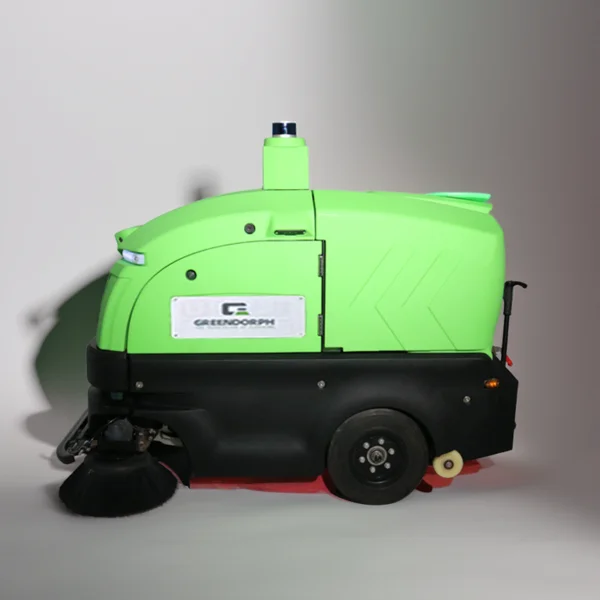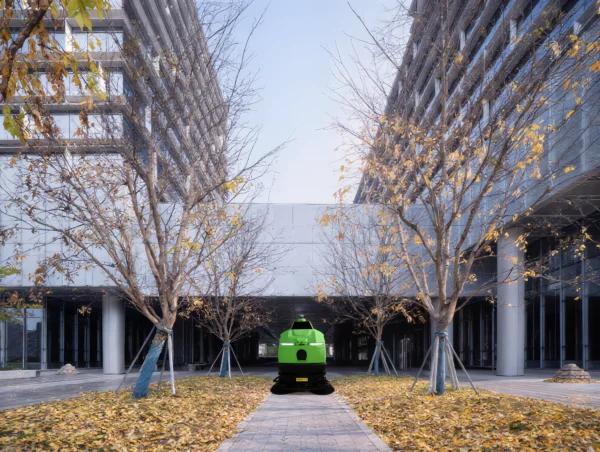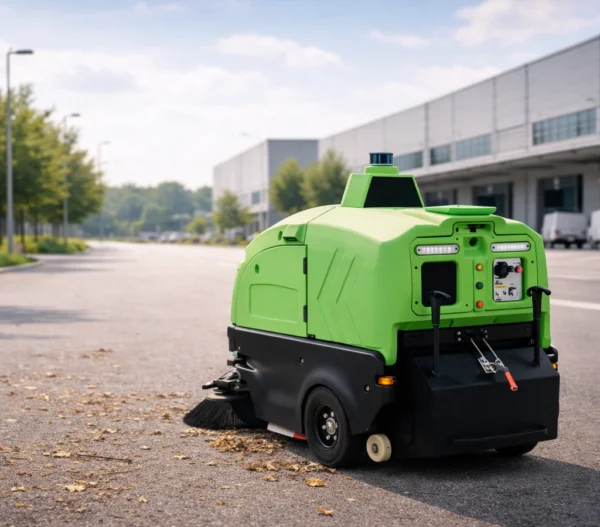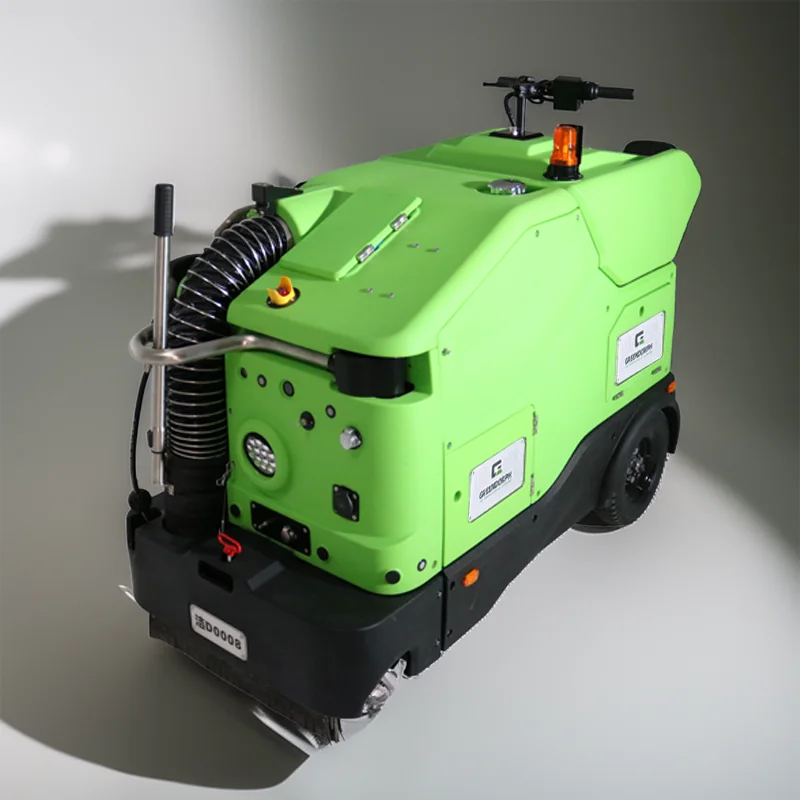
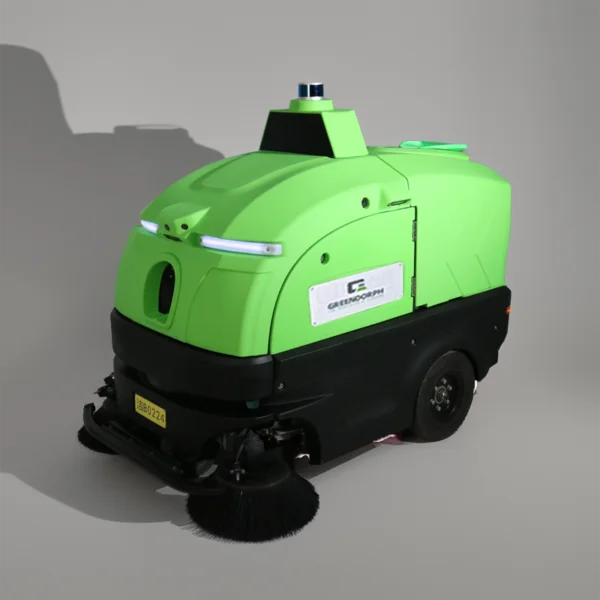
Large logistics facilities often struggle with the constant accumulation of debris in their exterior loading docks and parking areas. When we look at the daily operations at Greendorph, we see that manual sweeping is not only labor-intensive but also inefficient for expansive concrete surfaces that gather dust, grit, and discarded shipping materials daily. Integrating an outdoor robot cleaner into your daily maintenance routine offers a way to manage these high-traffic zones without pulling personnel away from critical inventory tasks. This transition to automation is about more than just aesthetics; it is about creating a streamlined environment where safety and operational flow remain uninterrupted, regardless of the size of your facility’s exterior footprint.
Managing Environmental Challenges
Operating autonomous machines in exterior settings brings unique hurdles, such as unpredictable weather, drainage issues, and uneven pavement. A standard outdoor robot vacuum cleaner must be rugged enough to handle wet conditions, temperature fluctuations, and varied surface textures that indoor models simply cannot survive or navigate effectively. We have observed that consistency in performance depends on machines engineered with high-torque motors, specialized off-road tires, and durable brush systems that effectively clear heavy gravel, wind-blown leaves, and large packaging scraps. When debris is removed before it can migrate into your high-clearance warehouse, you prevent potential safety hazards and keep your facility running smoothly without constant manual intervention from your floor staff.
Improving Operational Throughput
Efficiency gains remain the primary motivation for facilities managers seeking automated alternatives. By deploying a reliable outdoor robot cleaner, you reduce the frequency of labor-heavy manual clean-ups, which allows your staff to focus on logistics processes rather than sweeping parking lots or clearing dock areas. Our team at Greendorph emphasizes that automation in these peripheral zones prevents the tracking of contaminants inside the main distribution area, effectively preserving the cleanliness of your inner workspace and protecting sensitive material handling equipment from abrasion and damage. Investing in technology that handles the repetitive nature of exterior clearing means your human capital is freed for higher-value activities that actually impact your supply chain output and warehouse accuracy.
Ensuring Long-Term Reliability
The investment in industrial-grade automation requires careful consideration of maintenance requirements, navigation capabilities, and total battery longevity. An effective outdoor robot vacuum cleaner will minimize downtime by utilizing advanced lidar and camera systems for smart obstacle detection, ensuring it safely avoids dock plates, pallets, and parked trailers. When we design our systems at Greendorph, we prioritize modular components that allow for quick repairs and simple sensor calibrations, ensuring that the machine remains active through heavy-duty cycles without needing constant technical support. Reliability in this context means having a machine that operates predictably, night or day, providing consistent surface coverage that meets your site’s strict cleanliness requirements.
A Path Toward Streamlined Maintenance
Adopting advanced cleaning technology is a practical approach to modernizing facility care and reducing long-term operational overhead. Whether you are addressing persistent drainage clogs from debris or simply trying to present a professional, safe exterior for visiting transport carriers, having a dedicated outdoor robot cleaner working alongside your team provides measurable benefits. By shifting the burden of exterior sweeping to a specialized outdoor robot vacuum cleaner, you ensure a safer, cleaner environment that supports the overall goals of your logistics operations and promotes a culture of orderliness. This transition away from manual sweeping allows for a more sustainable approach to property maintenance, ensuring your site remains an efficient hub for global shipping activities.