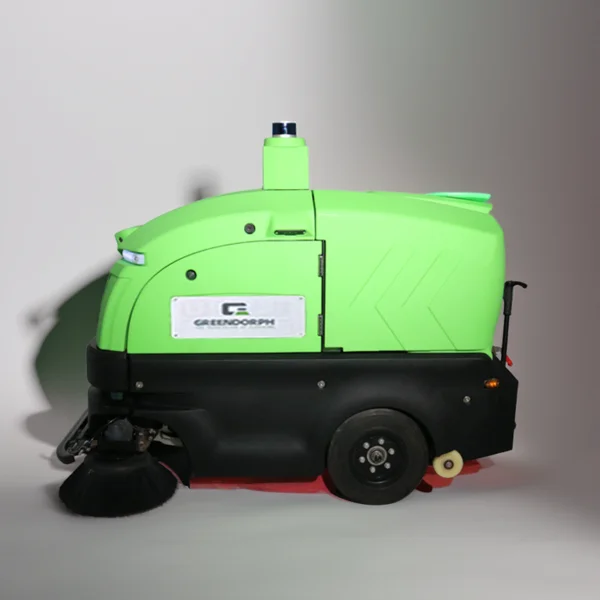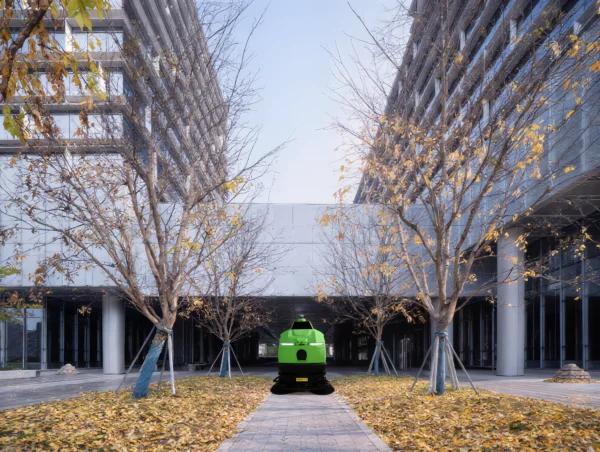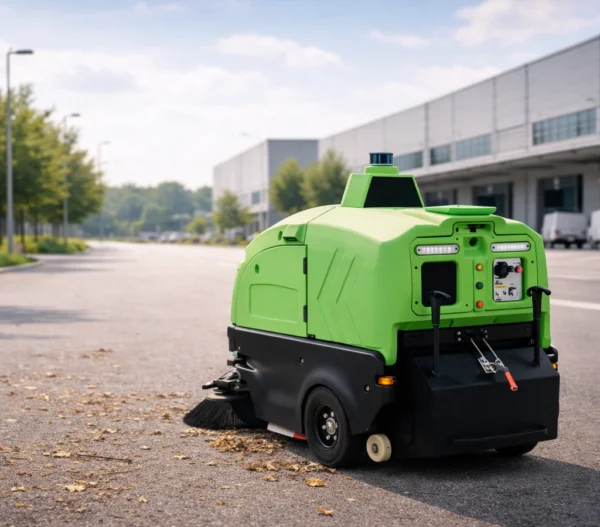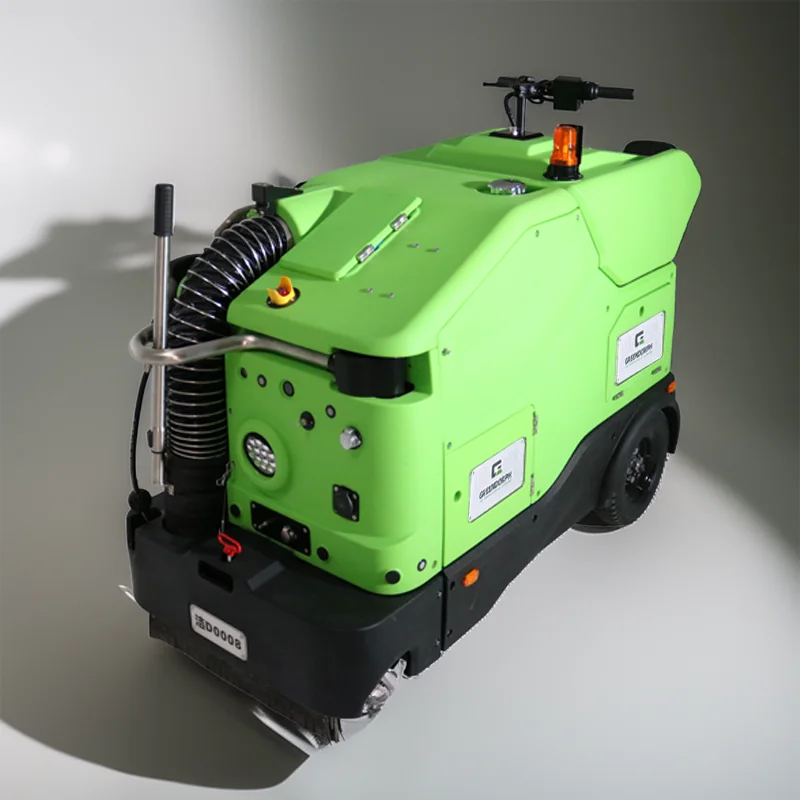
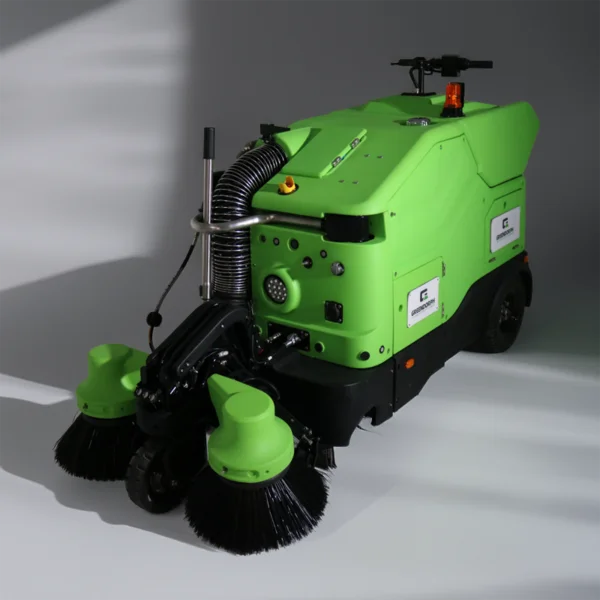
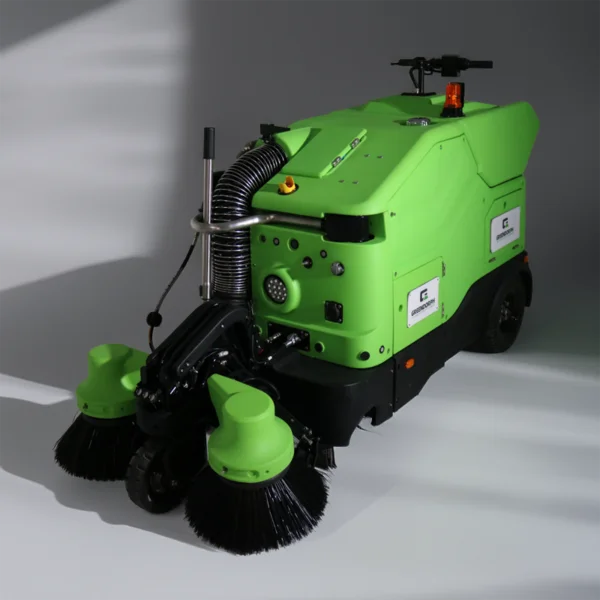
Facility management is evolving as we observe a distinct shift toward smarter, more sustainable maintenance practices. When we analyze the current state of infrastructure care, it becomes clear that manual labor is no longer the sole solution for large-scale floor sanitation. At Greendorph, we see businesses prioritizing operational consistency and environmental compliance, which creates a surge in demand for adaptable, high-efficiency equipment. Whether managing expansive logistics centers or urban pedestrian plazas, the right ride on sweeper has become a vital component for maintaining safety and operational uptime throughout the year.
The Rise of Electric Sustainability
Environmental regulations and corporate sustainability goals are pushing manufacturers to abandon combustion engines in favor of zero-emission platforms. We observe that electric drivetrains now offer longer runtimes and faster charging capabilities, which are essential for facilities running multiple shifts. A high-quality floor sweeper ride on model today often includes lithium battery technology, providing reliable power without the maintenance headaches of traditional lead-acid systems. By reducing carbon footprints, firms can align their daily cleaning routines with broader ecological mandates.
Autonomous Integration and Workforce Optimization
Technology is not about replacing staff; it is about freeing them to perform more complex, value-added tasks. We provide autonomous solutions that allow a ride on sweeper to handle repetitive, high-traffic corridors while team members focus on detailed sanitation in hard-to-reach areas. This cobot approach ensures that floors remain clear of debris without requiring a dedicated operator to sit in the seat for every single pass. It is a pragmatic shift that addresses current labor shortages while maintaining a spotless environment.
Advanced Data-Driven Predictive Maintenance
Modern equipment has evolved into intelligent data nodes that notify operators before a failure occurs. Our internal data at Greendorph suggests that facilities using connected, smart-monitored hardware experience significantly less downtime compared to those relying on reactive repair schedules. A floor sweeper ride on unit equipped with real-time sensors can track brush wear, battery health, and motor strain, allowing managers to schedule service during planned breaks rather than during peak operational hours.
Versatility for Complex Environmental Demands
No two facilities share the exact same floor layout or debris profile, which drives the need for multi-functional machines. We notice that the most effective industrial tools are those capable of adapting to varying surfaces, from polished warehouse concrete to outdoor paved walkways. By using a single ride on sweeper platform that supports modular attachments, managers can consolidate their fleet, reduce storage footprints, and ensure consistent cleaning performance across disparate site environments.
The Shift Toward Flexible Rental Models
Many organizations are moving away from heavy capital expenditures for equipment that may require frequent upgrades. Leasing or renting fleets allows companies to adapt their cleaning capacity based on seasonal fluctuations or specific project durations. At Greendorph, we see this as a logical reaction to the rapid pace of technological innovation, where businesses prefer the flexibility of accessing the latest floor sweeper ride on technology without the burden of long-term ownership or lifecycle management.
The industry is clearly moving toward a model where intelligence, efficiency, and sustainability define success. By embracing these advancements, facility operators can secure a future where maintenance is predictable, cost-effective, and highly reliable. Whether you prioritize autonomous capabilities or versatile mechanical design, the current market offers tools that help keep your operations moving forward without interruption.