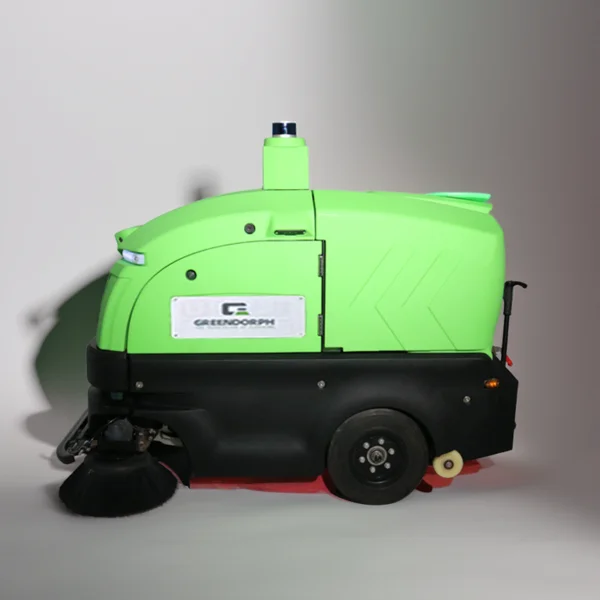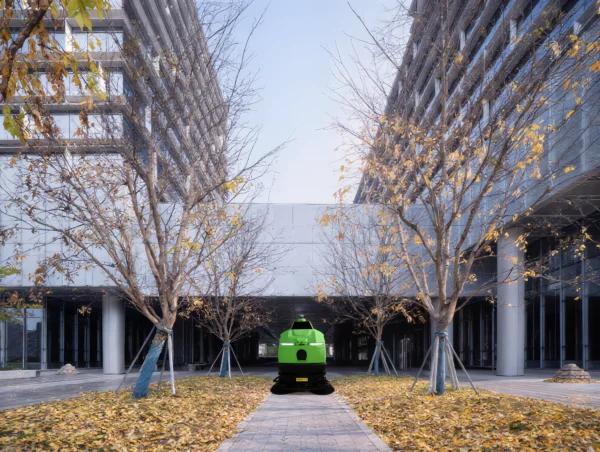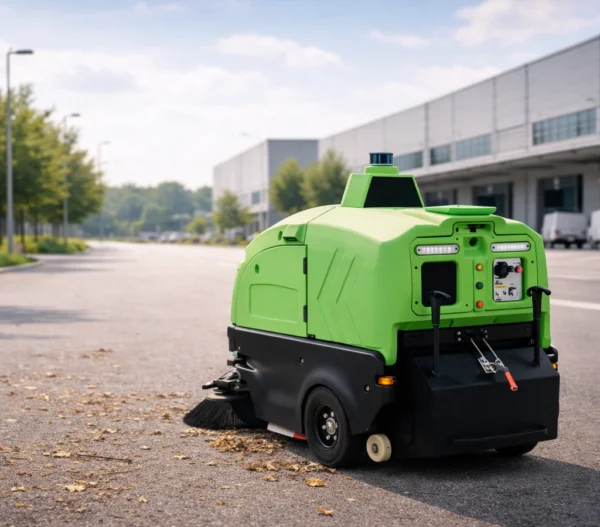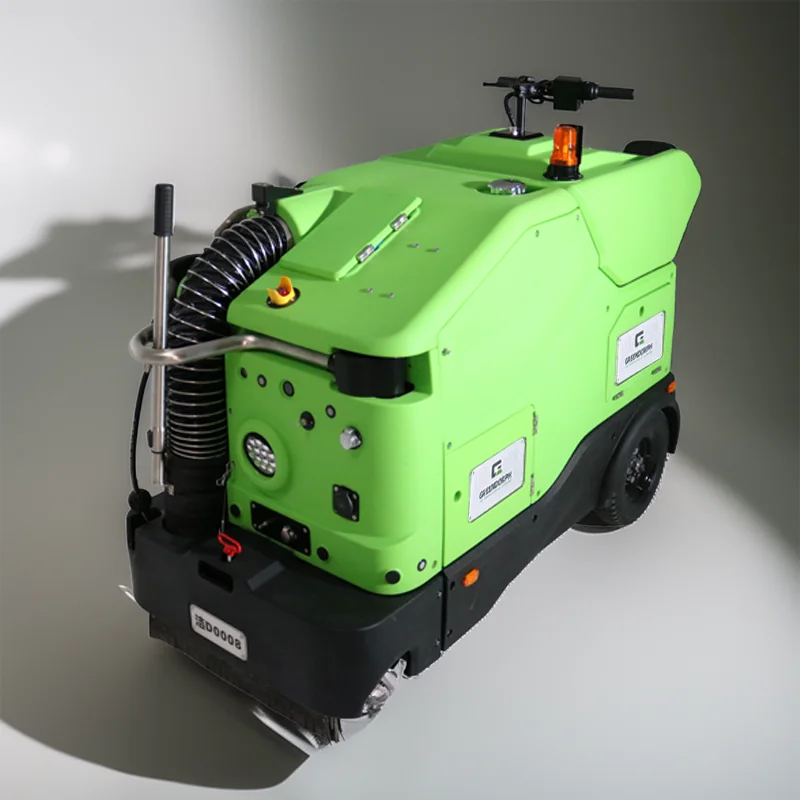
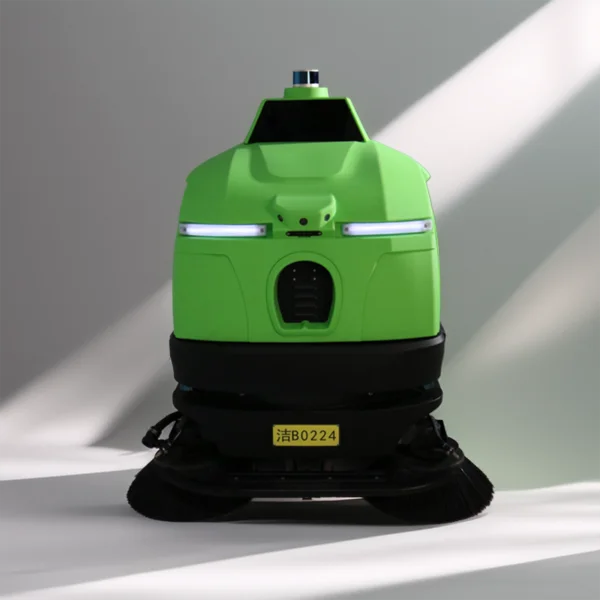
For large-scale environments, adopting an outdoor robot cleaner is not only about hardware selection but also about how effectively the system is deployed. At Greendorph, we approach deployment as a structured process that ensures consistent cleaning performance, efficient route planning, and long-term operational stability.
Outdoor environments are dynamic, with varying terrain, pedestrian flow, and debris patterns. Without proper mapping and setup, even advanced equipment may not reach its full efficiency. That is why we emphasize a step-by-step deployment methodology designed for real-world conditions.
Step One: Defining the Cleaning Area and Objectives
We begin by identifying the operational scope. This includes mapping out the total cleaning area, surface types, and high-traffic zones. For example, sidewalks, industrial roads, and campus pathways all require different cleaning approaches.
Our outdoor power sweeper systems are designed to handle mixed environments, but defining priorities allows us to optimize performance. By understanding where debris accumulates most frequently, we can assign cleaning intensity and frequency accordingly.
Step Two: Digital Mapping and Route Planning
Once the site is defined, we move into digital mapping. Our outdoor robot cleaner solutions use intelligent navigation systems to create accurate maps of the environment. These maps serve as the foundation for route planning.
With this data, we design cleaning paths that minimize overlap and maximize coverage. Advanced planning systems can reduce redundant cleaning and improve efficiency, ensuring that each cycle delivers consistent results. In practice, optimized routing can significantly increase effective cleaning time while reducing energy consumption.
This step is critical for large facilities where even small inefficiencies can scale into higher operational costs.
Step Three: Equipment Configuration and On-Site Calibration
After mapping, we configure the outdoor power sweeper based on site-specific conditions. This includes adjusting speed, brush pressure, and cleaning modes.
For instance, our autonomous sweeper integrates sweeping, suction, airflow assistance, and misting functions into a unified system. This allows the machine to adapt to different debris types without requiring multiple passes.
On-site calibration ensures that the robot operates smoothly across uneven surfaces and navigates around obstacles with precision.
Step Four: Testing and Performance Optimization
Before full deployment, we conduct trial runs to validate performance. During this phase, we monitor cleaning coverage, obstacle avoidance, and route accuracy.
Our systems are capable of maintaining over 95 percent cleaning efficiency while operating continuously for 6 to 8 hours, which supports large-area operations without frequent interruptions.
Based on test data, we refine routes and parameters to ensure optimal results under real operating conditions.
Step Five: Scalable Deployment and Continuous Improvement
Once validated, the system can be scaled across multiple zones or facilities. Our outdoor robot cleaner solutions are designed for repeatable deployment, allowing businesses to standardize cleaning processes across locations.
We also support ongoing optimization. As environments change, route adjustments and system updates ensure continued efficiency. In many cases, automation enables teams to shift from manual sweeping to supervisory roles, improving productivity while reducing physical strain.
Conclusion
Deploying an outdoor power sweeper is not a one-step process but a structured workflow that combines mapping, configuration, and continuous optimization. At Greendorph, we focus on making this process practical and scalable for clients.
By following a clear deployment framework, we help organizations maximize the value of their outdoor robot cleaner investment, ensuring consistent cleaning performance, efficient resource use, and long-term operational reliability.