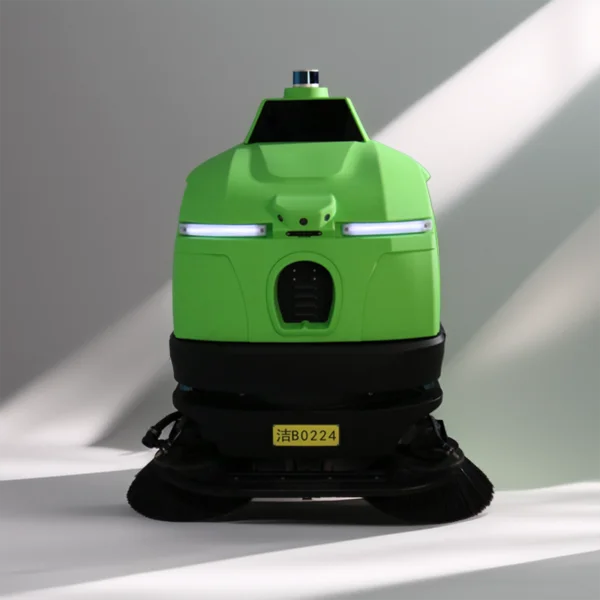
In commercial and industrial environments, outdoor cleaning is not only about maintaining appearance but also about minimizing disruption to daily activities. Noise pollution has become a growing concern in spaces such as logistics parks, campuses, residential complexes, and public facilities where operations continue throughout the day.
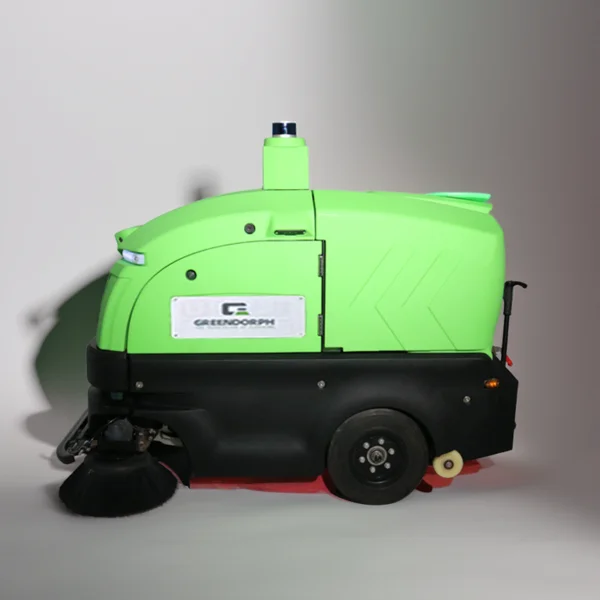
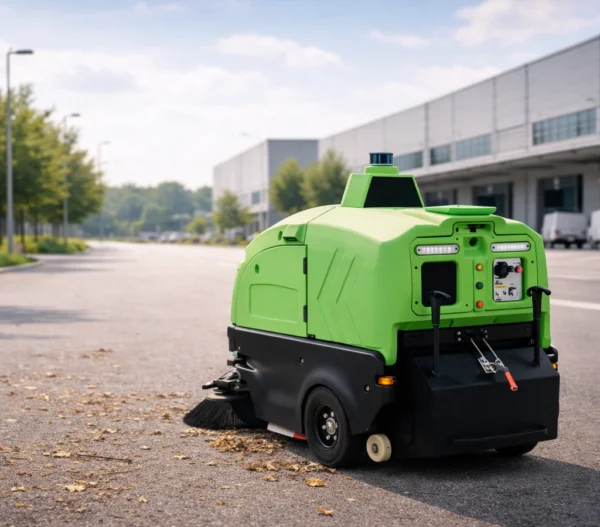
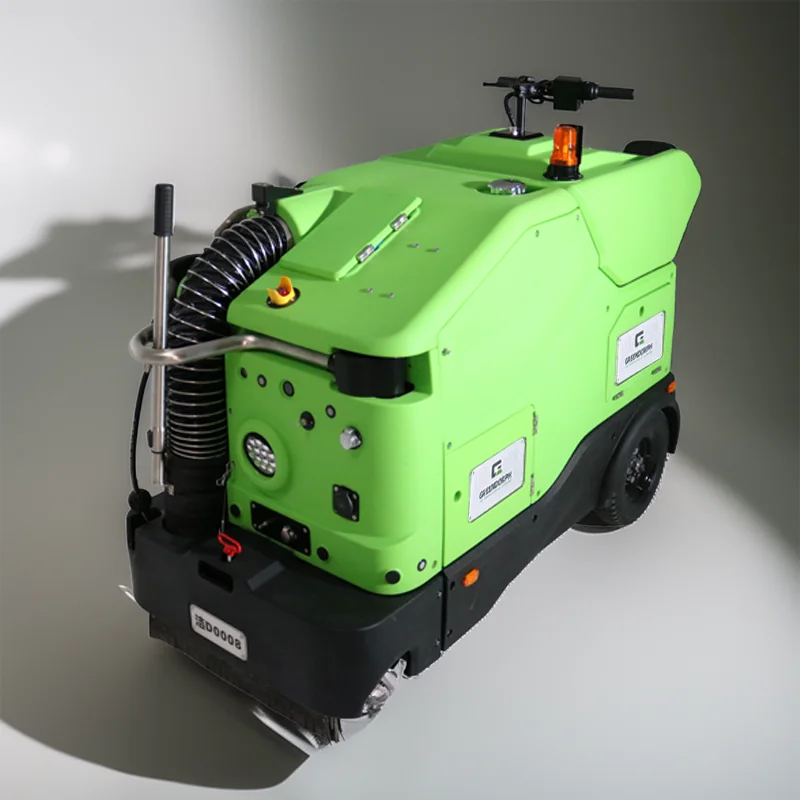
The adoption of automated cleaning technology is helping organizations address this challenge. Greendorph develops electric sweeper outdoor solutions that support quieter and more controlled cleaning processes, helping businesses maintain cleaner environments without disturbing surrounding activities.
Why Noise Reduction Matters in Outdoor Cleaning
Traditional outdoor sweeping equipment often relies on combustion engines or high-noise mechanical systems. These can create constant sound levels that interfere with communication, disturb nearby operations, and reduce comfort in shared environments.
An electric sweeper outdoor system is designed to address these issues by using battery-powered motors and optimized mechanical structures. Compared with fuel-based equipment, electric systems significantly reduce vibration and operational noise. This makes them suitable for environments where noise control is part of compliance or user experience requirements.
Greendorph’s engineering approach focuses on balancing cleaning power with low-noise operation. This allows facilities to maintain cleanliness during working hours without interrupting daily workflow or public activity.
How Greendorph Supports Low-Noise Cleaning Environments
We at Greendorph integrate electric drive systems and controlled suction mechanisms in our electric sweeper outdoor to ensure stable performance with reduced acoustic output. The design prioritizes smooth operation, minimizing sudden mechanical spikes that typically contribute to loud operating conditions.
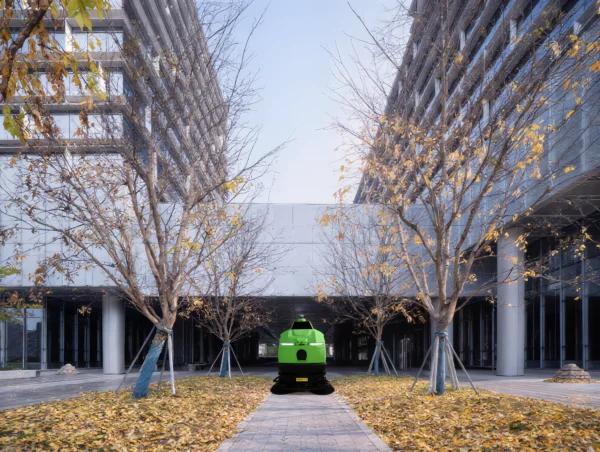
Our outdoor robot cleaner operates with autonomous navigation and optimized route planning, which further reduces unnecessary movement and repeated cleaning passes. Fewer redundant actions translate into more efficient energy use and lower overall noise generation during operation.
This combination of automation and electric drive systems allows facility managers to schedule cleaning during business hours or peak activity periods without causing disruption.
Practical Advantages in Commercial and Public Spaces
Noise-sensitive environments benefit significantly from low-noise cleaning systems. In logistics hubs, quieter machines allow cleaning to take place without interrupting loading operations. In educational campuses, maintenance can occur while classes are in session. In residential and mixed-use developments, reduced noise helps maintain a comfortable living atmosphere.
Our outdoor robot cleaner solutions also support continuous operation models, meaning cleaning can be distributed across multiple cycles instead of concentrated in short, high-noise intervals. This approach helps smooth out operational impact while maintaining consistent cleanliness standards.
Conclusion
Noise control is becoming an essential consideration in outdoor facility management. Electric-powered cleaning systems offer a practical path toward reducing acoustic disturbance while maintaining operational efficiency.
Our outdoor robot cleaner technology demonstrates how automation and electric drive systems can work together to support quieter environments. For organizations managing large outdoor areas, adopting low-noise cleaning solutions helps improve operational harmony, enhance user experience, and maintain cleaner spaces without unnecessary disruption.