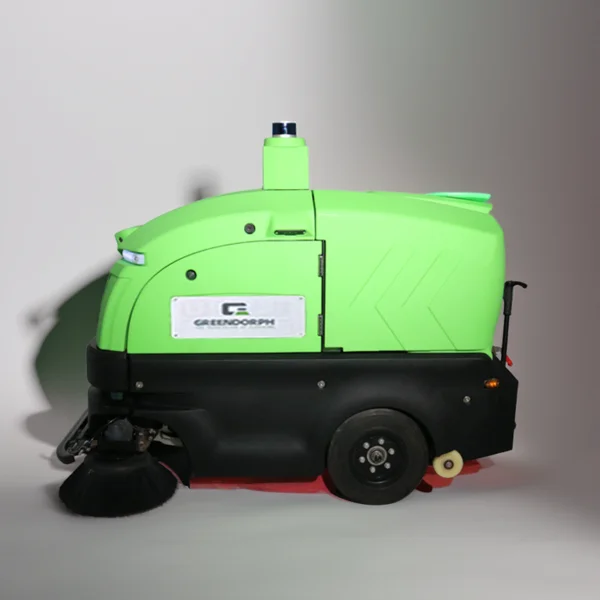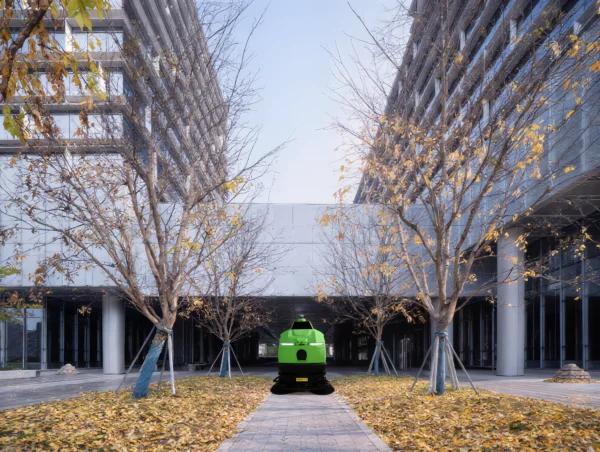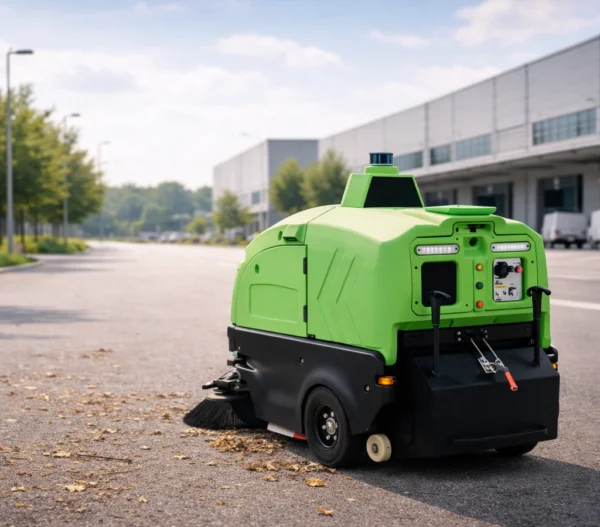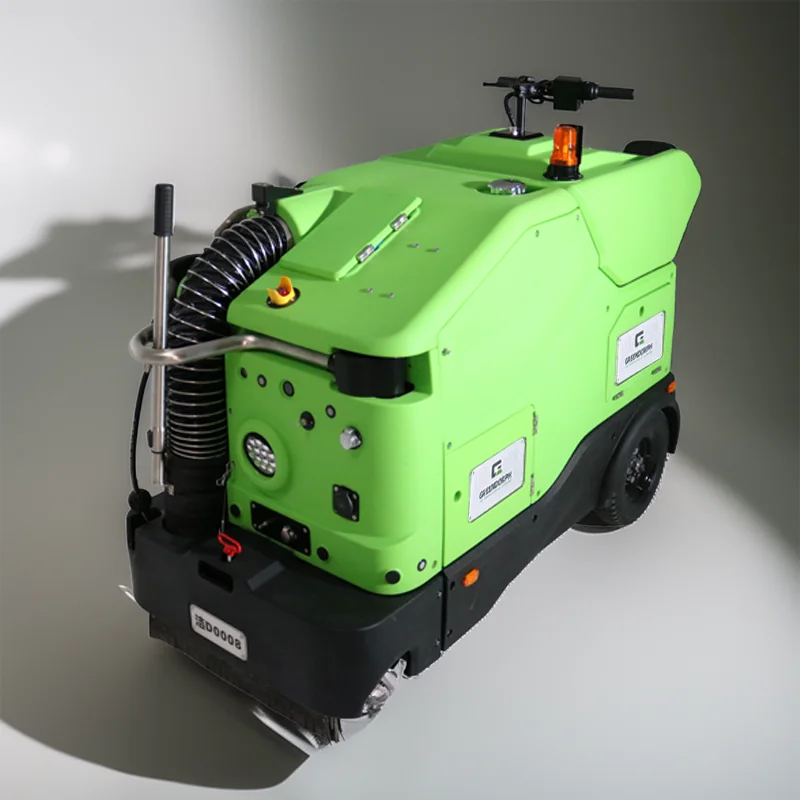
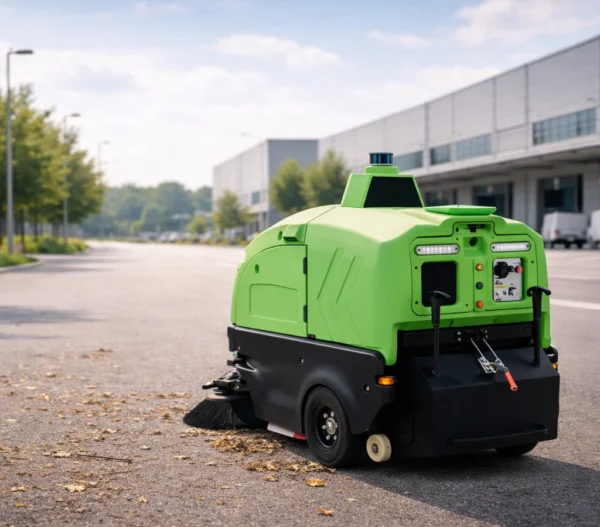
Industrial facilities, logistics hubs, and production environments face persistent challenges in maintaining clean and safe floor conditions while keeping operations efficient. At Greendorph, we design automation solutions such as an industrial cleaning machine to help organizations reduce operational friction in daily cleaning tasks. These systems are not only about cleaning performance, but about solving structural inefficiencies that traditional methods struggle to address.
Labor Dependence and Workforce Constraints
One of the most common operational issues in industrial cleaning is reliance on manual labor. Cleaning teams are often required to cover large areas under time pressure, which leads to inconsistent results and high turnover. In many facilities, cleaning staff are also reassigned to other urgent tasks, leaving floor maintenance incomplete or delayed.
An autonomous system helps reduce dependency on continuous human operation. As observed across industrial environments, automation allows cleaning tasks to run on scheduled cycles, freeing staff to focus on higher-value responsibilities such as equipment monitoring and process support.
Inconsistent Cleaning Quality Across Large Areas
Large-scale facilities such as warehouses and industrial parks often struggle with uneven cleaning standards. Manual methods depend heavily on individual performance, fatigue levels, and available time, which leads to missed zones or irregular coverage.
By contrast, automated cleaning systems follow mapped routes and repeatable cleaning logic. This ensures consistent coverage of aisles, staging zones, and production floors regardless of shift changes or staffing conditions. Industrial robots are specifically designed to execute standardized cleaning paths with minimal deviation, improving operational predictability.
Safety Risks and Floor Condition Management
Industrial floors are exposed to dust, oil residues, packaging debris, and continuous traffic from forklifts and personnel. These conditions increase the risk of slips, equipment accidents, and compliance issues if not managed consistently.
Autonomous cleaning systems help stabilize floor conditions by maintaining regular cleaning cycles. This reduces the accumulation of hazardous materials and supports safer movement across operational zones. Consistent cleaning schedules also help facilities meet internal safety standards and audit requirements more effectively.
Limited Efficiency in High-Scale Operations
As industrial spaces expand, traditional cleaning methods become increasingly inefficient. Walk-behind machines and manual cleaning require significant time and coordination, often extending beyond working hours and increasing overtime costs.
An autonomous industrial cleaning robot supports scheduled operation during off-peak hours or between shifts. This allows cleaning tasks to be completed without interrupting production flow, improving overall facility efficiency while reducing downtime pressure.
Data Visibility and Operational Control
Another overlooked challenge in industrial cleaning is the lack of measurable performance data. Manual cleaning processes rarely provide visibility into coverage, timing, or completion quality, making it difficult to evaluate performance objectively.
Modern automated systems introduce data tracking capabilities that record cleaning routes, time usage, and coverage status. This transforms cleaning from a manual routine into a measurable operational process that can be analyzed and improved over time.
Conclusion
Industrial cleaning is no longer just a maintenance function. It is closely tied to safety, productivity, and operational consistency. At Greendorph, we focus on developing solutions such as an industrial cleaning machine or an autonomous industrial cleaning robot to help facilities address labor constraints, improve consistency, and enhance safety management. As industrial environments continue to scale, automation provides a structured approach to maintaining cleaner and more efficient operations without adding unnecessary complexity to daily workflows.