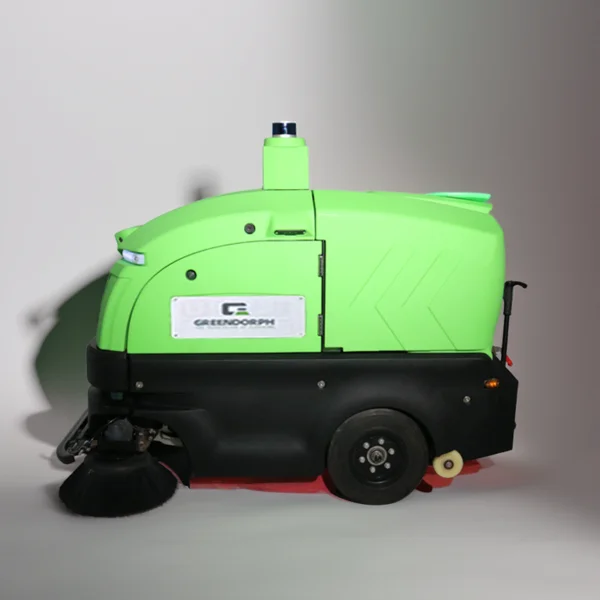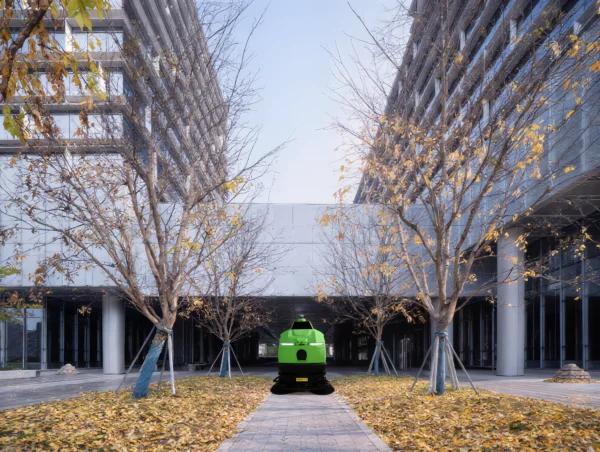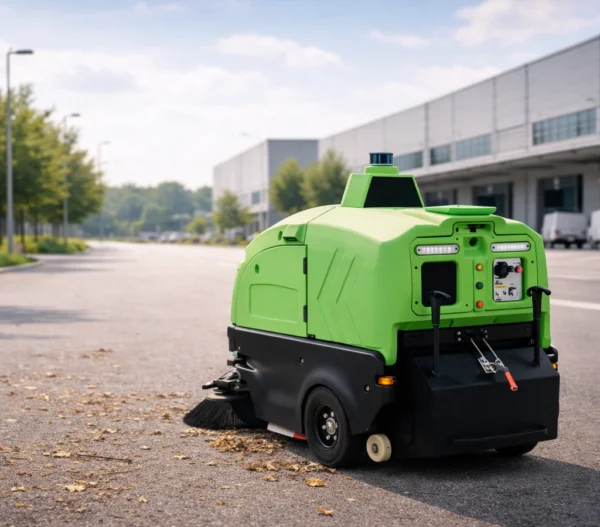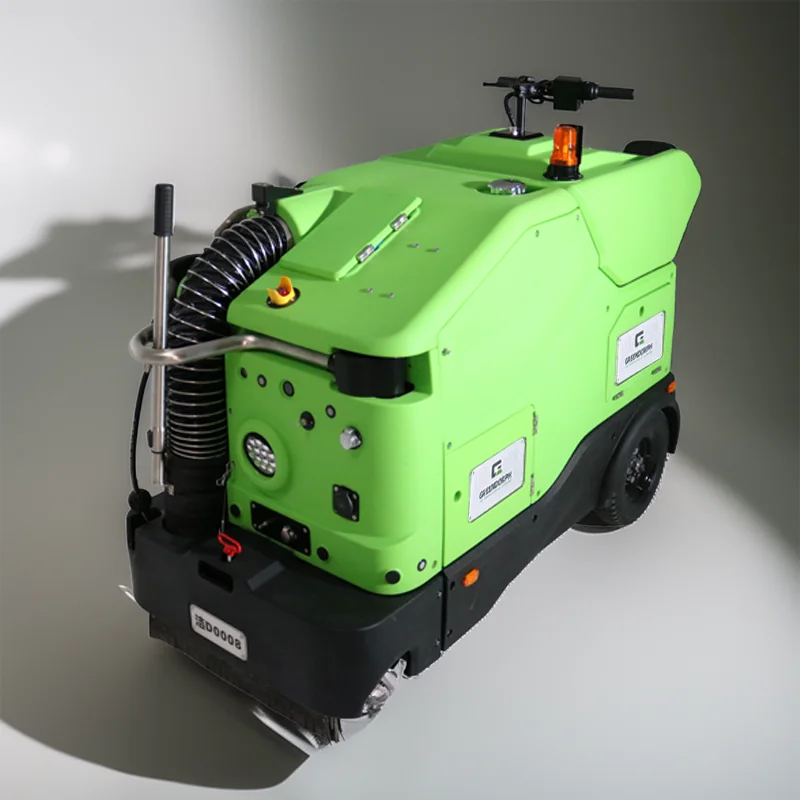
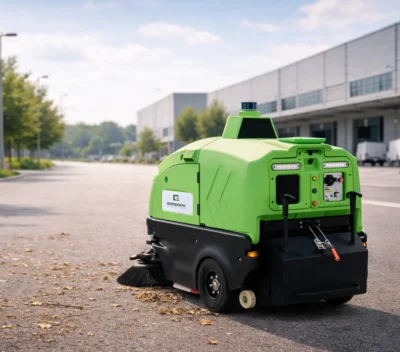
Urban environments are becoming more sensitive to noise, especially in residential and mixed-use areas. As we work with municipalities and facility operators, we see that the traditional street sweeper is no longer judged only by cleaning performance. Noise levels now play a critical role in procurement decisions.
Conventional machines often generate significant sound from engines, brushes, and vacuum systems, which can disturb communities, particularly during early morning or night operations. At Greendorph, we focus on designing solutions that maintain cleaning efficiency while reducing acoustic impact.
How Quiet Technology Improves Street Cleaning Operations
A modern street cleaning sweeper integrates multiple noise reduction strategies directly into its system design. One key approach is source control, where quieter motors, optimized fan systems, and improved sealing reduce vibration and sound output.
We also apply electric drive systems and sound-dampening structures. Fully electric sweepers, for example, naturally operate with less noise while eliminating emissions, making them suitable for pedestrian areas and dense urban zones.
Additionally, intelligent control systems help adjust brush speed and suction power based on debris levels, improving efficiency and avoiding unnecessary energy use. This contributes not only to quieter operation but also to more consistent cleaning quality.
Benefits Beyond Noise Reduction
Reducing noise is only one part of the value. A quieter street sweeper allows cleaning to take place during off-peak hours without disrupting daily life. This increases operational flexibility for city managers and contractors.
At the same time, modern sweepers continue to improve environmental outcomes. By capturing dust and fine particles directly from road surfaces, they help reduce airborne pollutants and improve urban air quality. Advanced sweeping programs can also significantly reduce pollutant runoff, supporting broader sustainability goals.
For operators, quieter machines often mean improved working conditions, less fatigue, and better communication during operation.
Greendorph Approach to Silent Street Cleaning
At Greendorph, we design each street cleaning sweeper with a balance of acoustic performance, efficiency, and adaptability. Our systems focus on:
Optimized airflow structures to minimize fan noise.
Electric or hybrid power configurations for reduced sound output.
Precision brush engineering for smoother contact with road surfaces.
Smart control integration for adaptive operation.
These elements work together to deliver consistent cleaning while addressing the growing demand for quieter urban services.
Conclusion
As cities evolve, expectations for urban maintenance equipment are shifting. Noise reduction is no longer optional but is an essential factor in modern street cleaning.
By combining intelligent control, electric technology, and refined mechanical design, we at Greendorph support a new generation of street sweeper solutions that align with both operational needs and community expectations. A quieter street cleaning sweeper not only improves the urban soundscape but also enables more flexible, efficient, and sustainable cleaning practices.