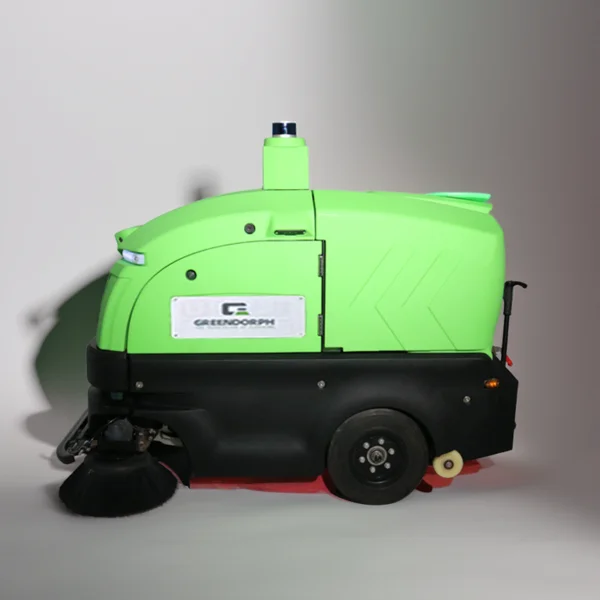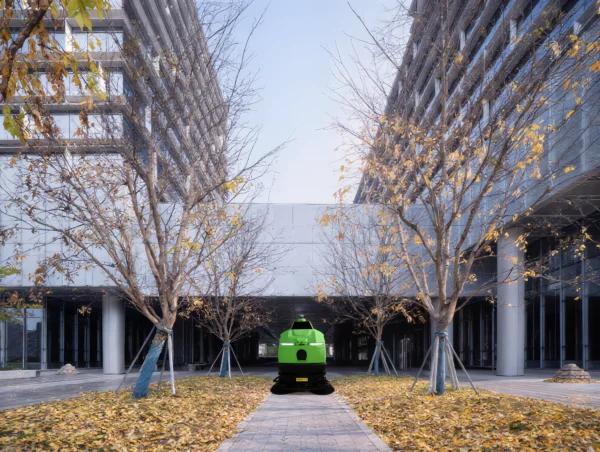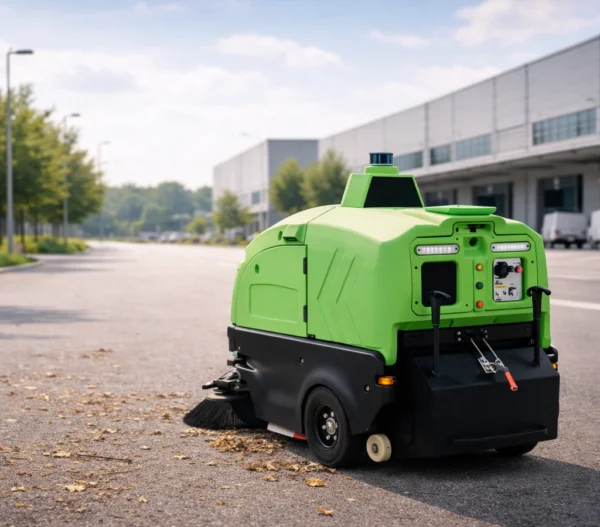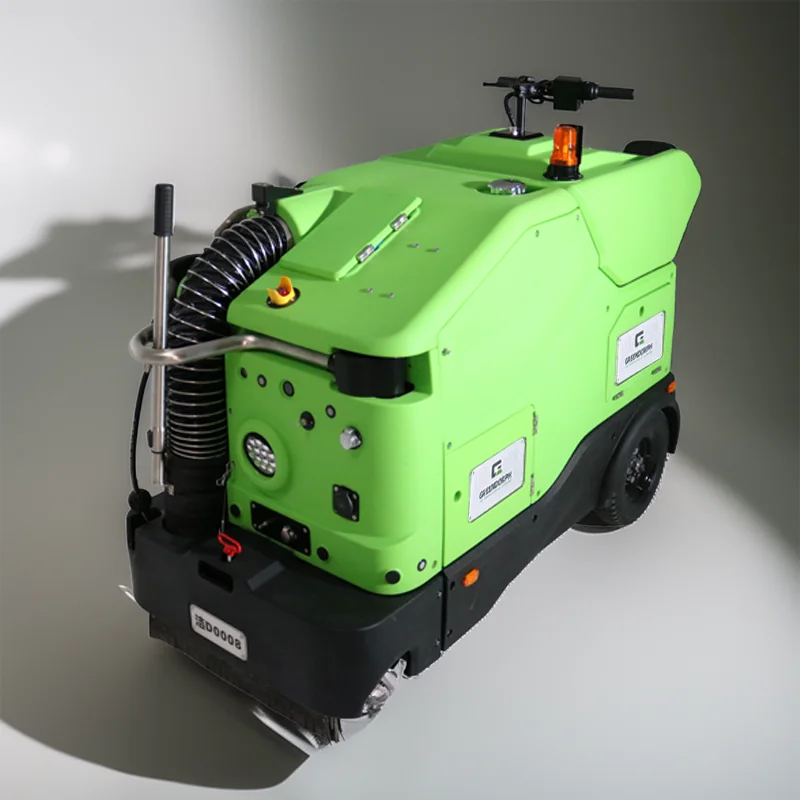
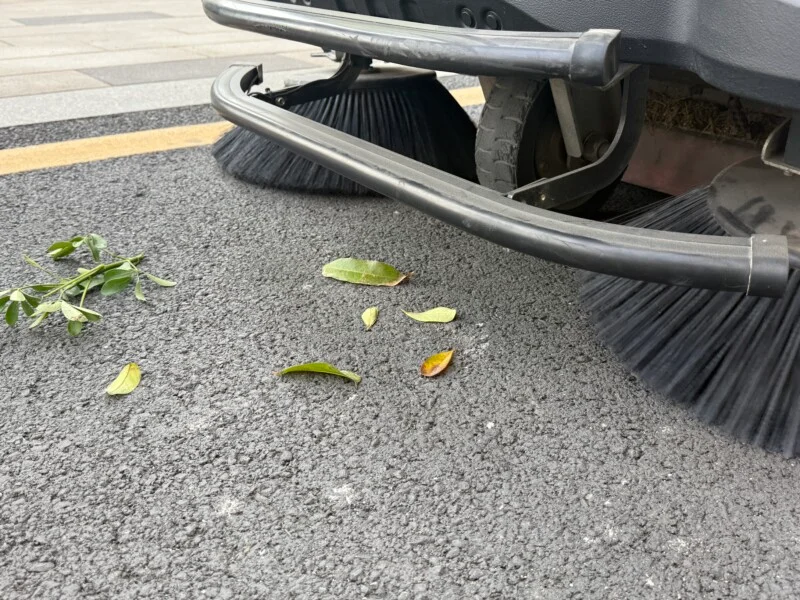
Across industrial and commercial environments, cleaning requirements are becoming more demanding as floor areas expand and operational schedules become more complex. Businesses are increasingly seeking structured automation to maintain consistency without adding unnecessary operational burden. At Greendorph, we focus on building practical autonomous cleaning robot solutions that support this transition through reliable robotic systems designed for real facility needs.
A robot floor cleaner helps reduce manual workload in large-scale environments by performing routine floor maintenance with consistent coverage and minimal supervision.
Improving Operational Stability in Large Facilities
Facility managers often face challenges in maintaining cleaning standards across shifts, especially in spaces with heavy daily traffic such as warehouses, manufacturing plants, and distribution hubs. Variations in manpower and timing can lead to uneven cleaning outcomes and inefficiencies in resource allocation.
By introducing automation into daily operations, cleaning tasks become more predictable and structured. Greendorph designs robot floor cleaner systems that follow planned routes and repeatable schedules, helping organizations reduce disruptions while maintaining steady cleaning performance across different zones. This approach allows teams to focus more on core operations rather than manual floor upkeep.
Expanding Scalable Cleaning Across Multiple Sites
As businesses grow, maintaining consistent cleaning standards across multiple locations becomes more complex. Traditional staffing models often struggle to scale efficiently without increasing coordination costs and supervision demands.
An autonomous cleaning robot enables organizations to expand cleaning capacity without directly increasing labor intensity. These systems can be deployed across multiple facilities and managed through centralized planning tools, allowing consistent execution regardless of site size or layout complexity. With structured deployment, organizations gain better control over cleaning frequency and coverage distribution.
Enhancing Visibility and Long-Term Planning
Beyond operational efficiency, automation introduces a new level of visibility into facility maintenance. Robot floor cleaner systems can generate usage data that helps managers understand performance patterns, identify high-traffic zones, and adjust schedules based on actual operational needs.
At Greendorph, we view this data-driven approach as an important step toward long-term facility optimization. Instead of reacting to cleanliness issues after they occur, teams can proactively plan maintenance cycles based on measurable insights. This improves both resource allocation and environmental consistency over time.
Conclusion
Modern facility operations require more than traditional cleaning methods to maintain efficiency and consistency at scale. By adopting autonomous cleaning robot systems, businesses can build a more structured approach to maintenance that supports growth and reduces operational complexity.
Greendorph continues to focus on practical automation solutions that help organizations streamline cleaning processes while maintaining stable performance across diverse environments.