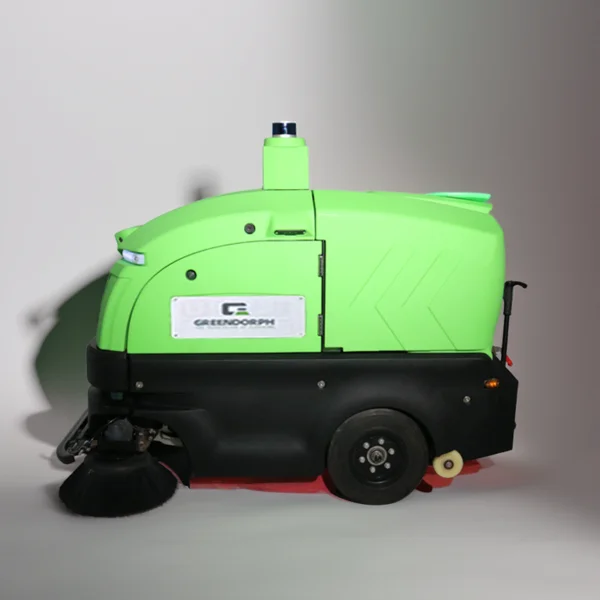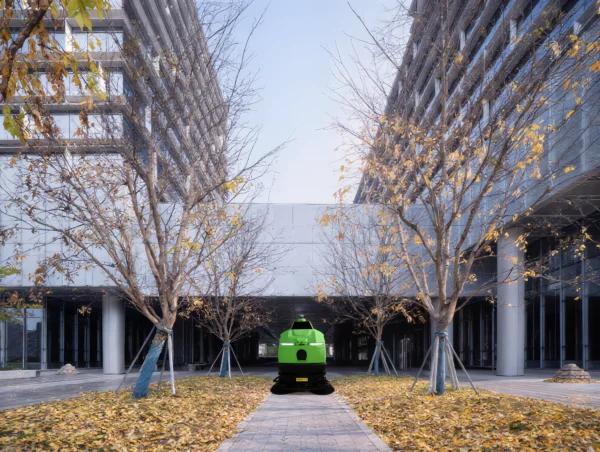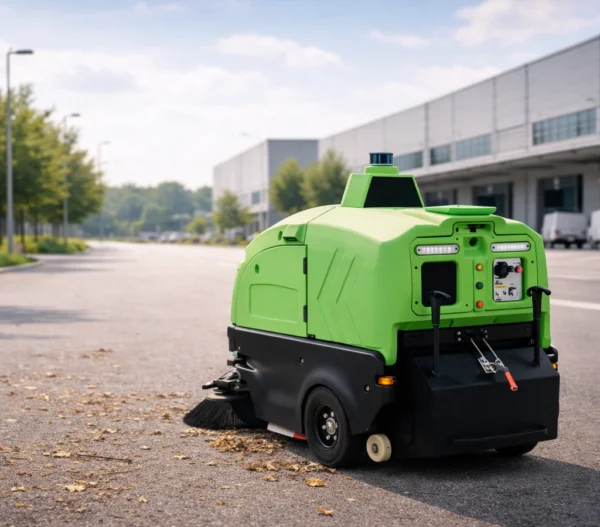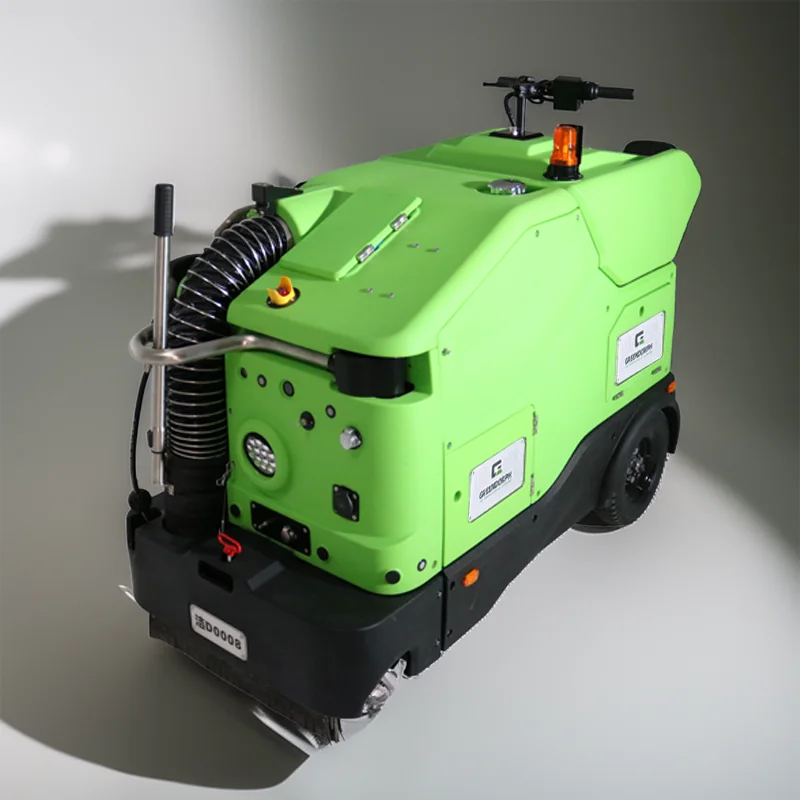
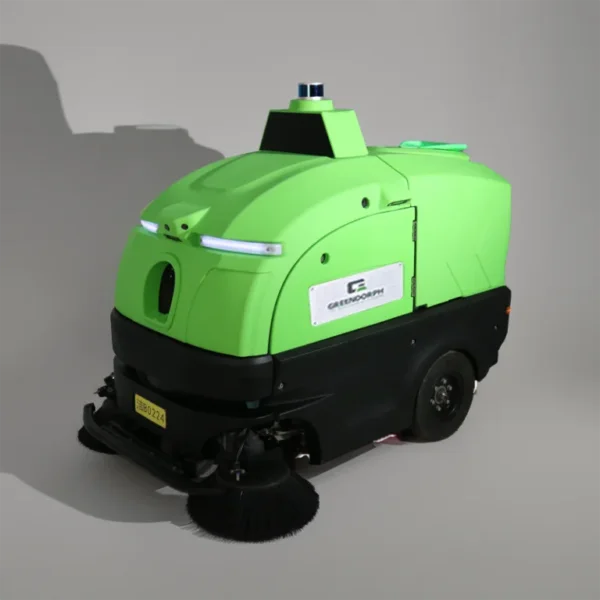
At Greendorph, we design intelligent cleaning solutions that help organizations rethink how daily floor maintenance is handled. In many facilities, cleaning still depends heavily on manual labor, which can limit consistency and scalability. By introducing modern automation through floor cleaning machines, we support a shift toward more stable and measurable cleaning performance across large environments such as warehouses, campuses, and industrial parks.
The Reality of Manual Floor Cleaning Work
Manual cleaning remains widely used because it requires minimal initial investment and flexible deployment. However, its performance often depends on human factors such as fatigue, technique, and workload distribution. Over time, these variables can lead to uneven results across different zones of the same facility.
In large-scale operations, manual cleaning also requires more labor coordination. Teams must repeatedly cover the same areas, which increases operational time and labor cost. In environments with continuous traffic, maintaining consistent cleanliness becomes even more challenging.
How Hard Floor Cleaning Technology Changes the Workflow
A hard floor cleaner machine is designed to standardize cleaning output through mechanical precision and repeatable operation cycles. Instead of relying on manual scrubbing or sweeping, these machines use structured cleaning paths, controlled water usage, and stable suction systems to handle dust, debris, and surface stains more efficiently.
Greendorph systems, for example, integrate autonomous navigation and adaptive cleaning functions that allow machines to operate in complex outdoor and semi-indoor environments. This reduces dependence on constant human supervision while maintaining predictable cleaning quality across shifts.
Efficiency Differences in Real Operating Conditions
When comparing manual work with automated cleaning systems, the difference becomes most visible in continuous operations. Manual teams often experience performance drops during long shifts, while automated machines maintain steady output throughout their runtime.
A floor cleaning machine setup can also operate for extended periods without interruption, covering larger surface areas with fewer pauses. This allows facility managers to reallocate labor resources from repetitive cleaning tasks to more supervisory or maintenance-focused roles.
From a planning perspective, automation also improves scheduling accuracy. Instead of adjusting manpower daily, cleaning cycles can be programmed based on area size, traffic intensity, and facility usage patterns.
Operational Consistency and Cost Control
One of the most practical advantages of automation is consistency. A hard floor cleaning machine performs the same cleaning cycle every time, reducing variability between operators. This leads to more predictable hygiene standards, especially in industrial environments where safety and cleanliness are closely linked.
In terms of long-term operations, reducing manual dependency can also help stabilize labor costs. While manual cleaning scales linearly with workforce size, automated systems scale more efficiently with area coverage.
Conclusion
The comparison between manual labor and automated cleaning shows a clear shift in operational priorities. Manual cleaning still plays a role in flexible, small-scale tasks, but for large and structured environments, automation provides stronger consistency and efficiency.
At Greendorph, we continue to develop intelligent cleaning technologies that support organizations in improving productivity and maintaining reliable floor cleanliness standards through advanced floor cleaning machines and hard floor cleaning systems.