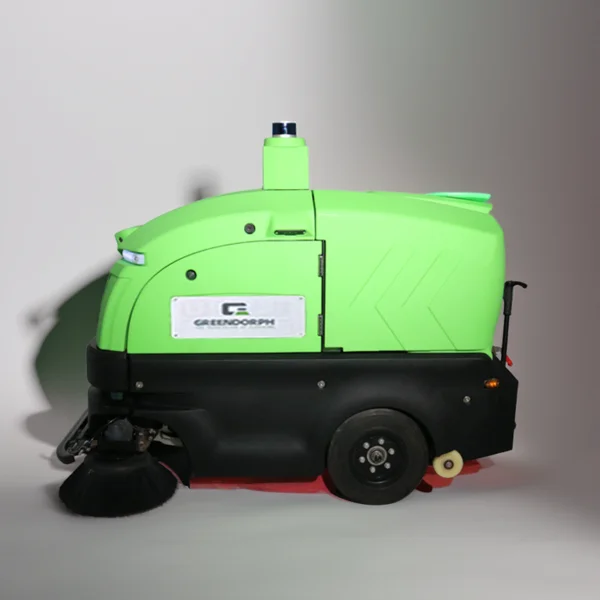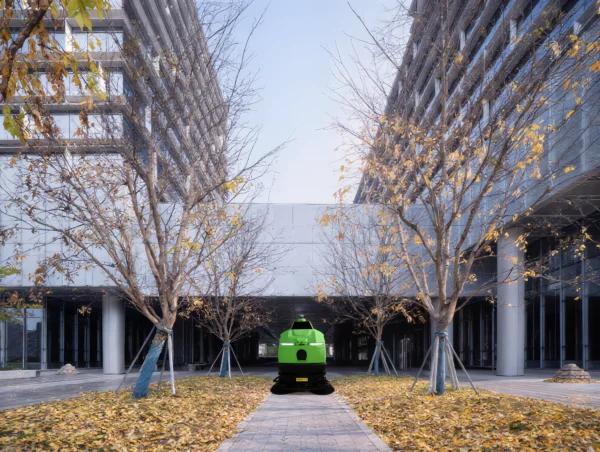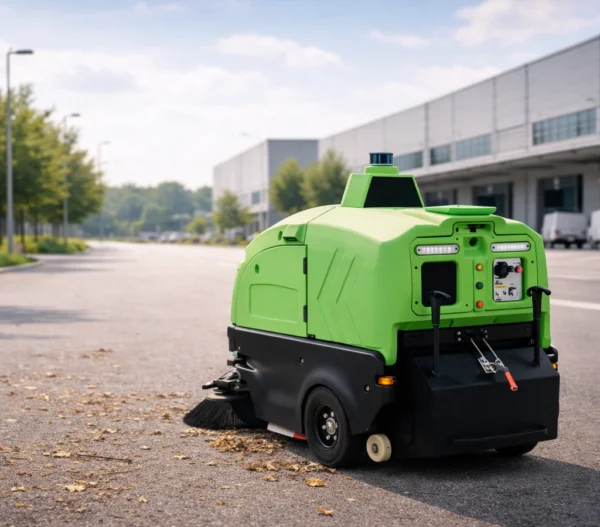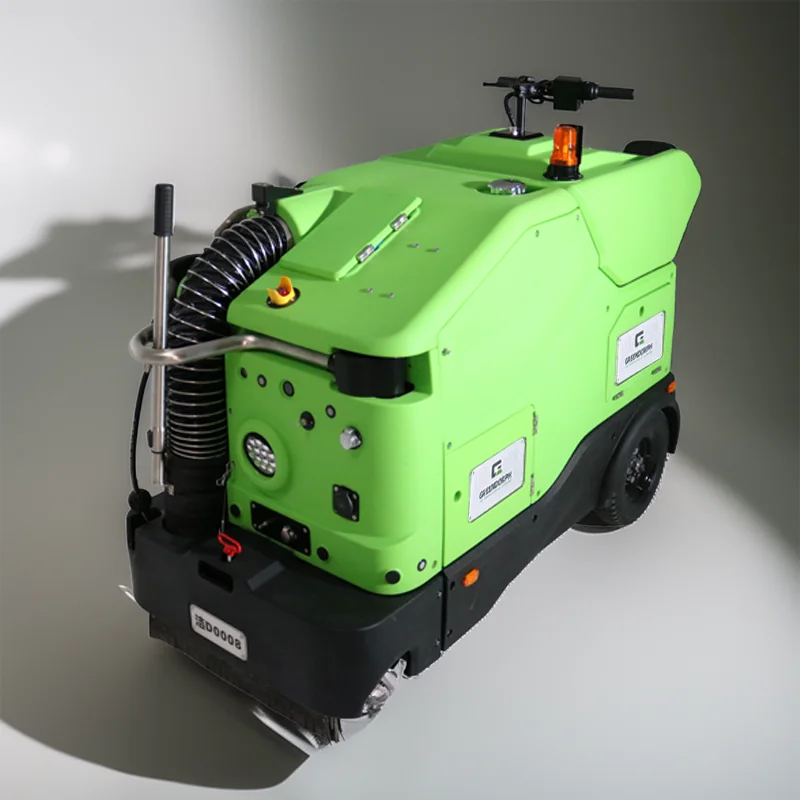
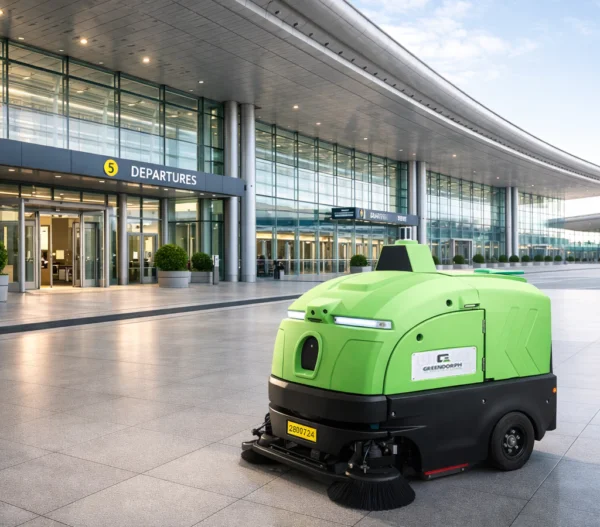
At Greendorph, we begin every project with a structured understanding of the operational environment. A well-executed deployment starts with evaluating surface conditions, traffic flow, and cleaning frequency requirements. This step allows us to identify obstacles, high dust accumulation zones, and access constraints that may affect automated performance.
For facilities planning to integrate a parking lot sweeper, we focus on translating physical layouts into operational intelligence. This ensures the equipment can work consistently without interruption while adapting to real-world conditions.
Mapping Process for Efficient Route Design
Mapping is a core step in ensuring consistent coverage and predictable cleaning outcomes. We use detailed spatial analysis to define cleaning paths that reduce overlap while maintaining full surface coverage.
During this phase, Greendorph configures route logic based on entry points, parking density, and boundary limits. This structured approach ensures that every cleaning cycle follows an optimized path, reducing unnecessary energy consumption and improving operational efficiency.
For clients deploying a carpark sweeper, mapping also involves segmenting zones according to usage patterns. High-traffic areas may require more frequent passes, while low-activity zones can be scheduled for periodic cleaning cycles.
Deployment of Automated Sweeping Operations
Once mapping is completed, deployment focuses on integrating the system into daily facility operations. At Greendorph, we ensure that scheduling, charging infrastructure, and safety protocols are aligned with site requirements.
A parking lot sweeper is then tested in controlled runs to validate route accuracy and obstacle detection performance. Adjustments are made based on real-time feedback to ensure stable operation in varied conditions.
Similarly, a carpark sweeper is calibrated to handle enclosed or semi-enclosed environments where navigation precision is essential. This includes fine-tuning speed control, turning radius, and dust collection efficiency.
Optimization and Long-Term Maintenance Strategy
After deployment, ongoing optimization ensures consistent performance. We analyze operational data to refine route efficiency, battery utilization, and cleaning frequency.
Greendorph also supports predictive maintenance planning to reduce downtime and extend equipment lifespan. Regular updates to mapping data help the system adapt to changes in parking layouts or traffic behavior.
Conclusion
Effective deployment of automated cleaning systems requires more than installation. It demands structured mapping, thoughtful integration, and continuous optimization. At Greendorph, we focus on delivering practical and scalable solutions that help facilities maintain cleaner environments with predictable operational control. Through precise planning and system calibration, both parking and carpark cleaning operations can achieve long-term efficiency and reliability.