In modern logistics and manufacturing environments, cleaning is not just a background task. It directly influences safety, workflow continuity, and equipment longevity. At Greendorph, we focus on helping facilities evaluate how cleaning methods impact operational performance, especially when comparing mechanized solutions with traditional manpower.
Manual Cleaning in Daily Warehouse Operations
Many warehouses still rely on manual sweeping as a basic maintenance approach. While this method has low initial cost, it often requires significant labor input and time allocation. Employees typically spend hours covering large floor areas, and the results can be inconsistent due to fatigue and uneven coverage. Dust and debris may also be redistributed rather than fully collected, especially in high-traffic zones. Over time, this approach can increase operational inefficiencies and raise hidden labor costs.
Mechanical Cleaning for Scalable Performance
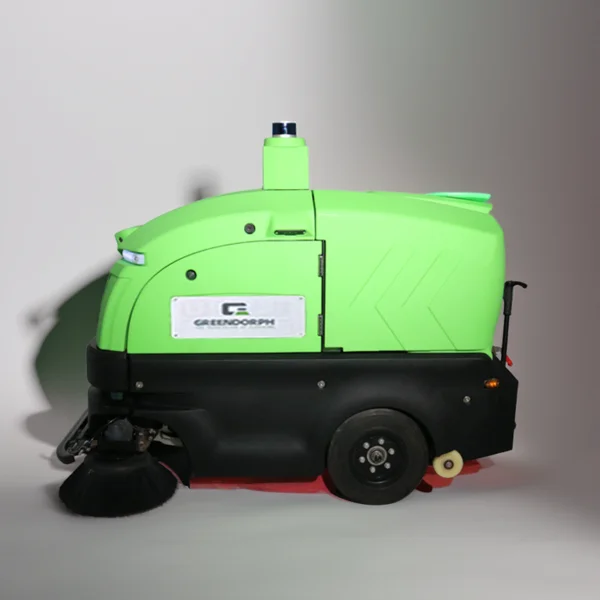
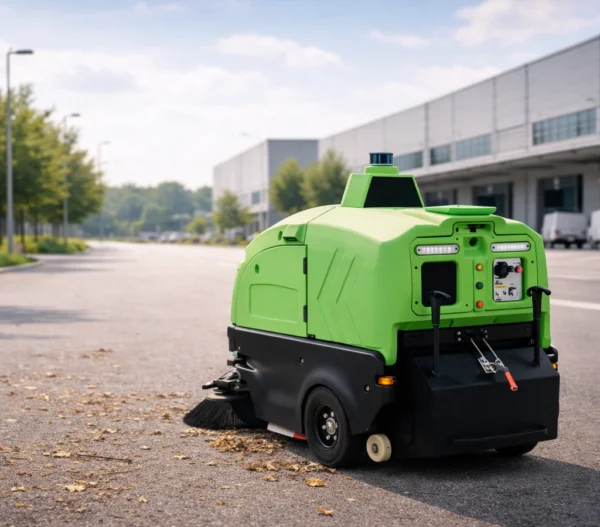
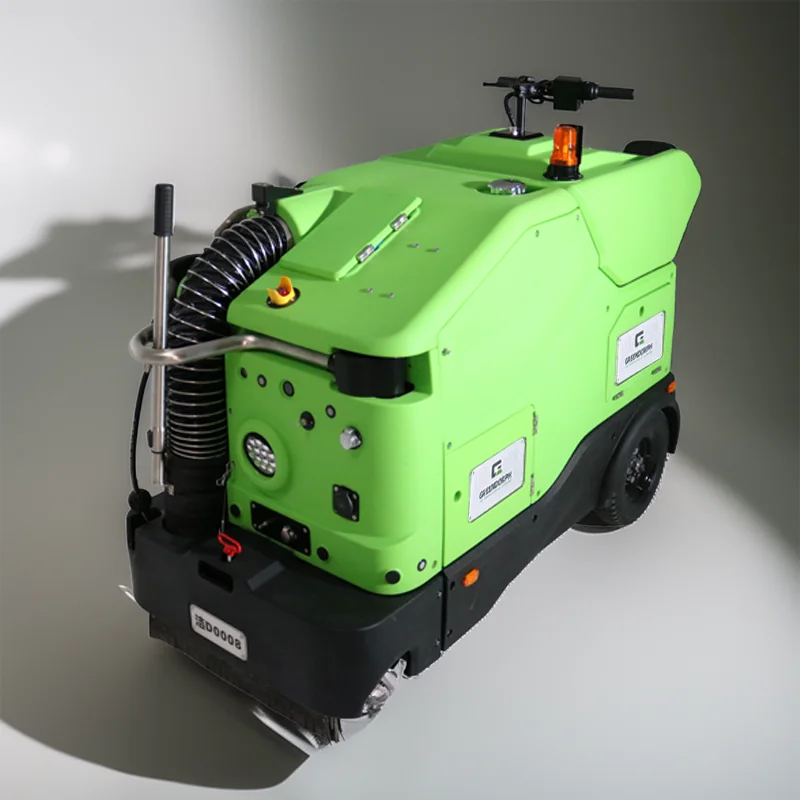
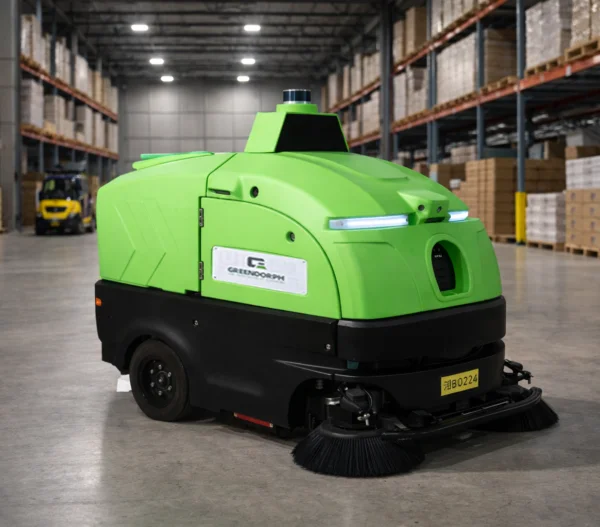
When facilities shift to automated cleaning equipment, the improvement in workflow becomes clear. A warehouse sweeper is designed to handle dust, packaging scraps, and industrial debris with consistent performance across wide floor areas. Unlike manual methods, it reduces repetitive labor and allows staff to focus on higher-value tasks.
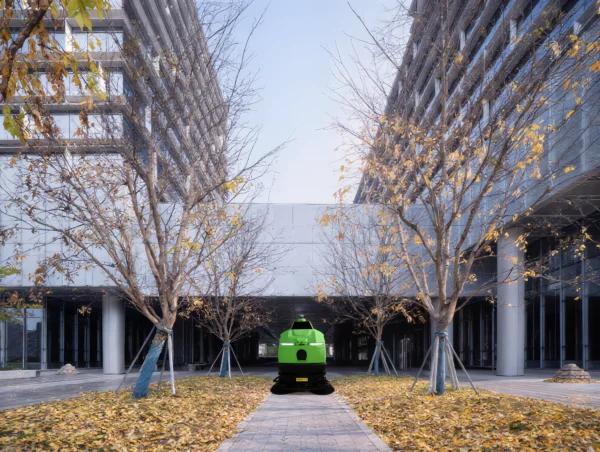
Similarly, a warehouse floor sweeper is built to support continuous operations in larger environments such as distribution centers and production facilities. It delivers more stable cleaning results and helps maintain a safer working surface by minimizing dust accumulation and slip risks. According to industry insights, industrial sweepers can significantly reduce cleaning time compared to manual labor, especially in large-scale warehouses where efficiency per hour is critical.
Productivity Differences in Real Operation
From an operational perspective, manual cleaning scales poorly as warehouse size increases. Teams may require multiple shifts to maintain acceptable cleanliness levels. In contrast, mechanized sweeping solutions complete the same task in a fraction of the time, often within a single operational cycle depending on layout and equipment type. This shift not only improves cleaning consistency but also reduces disruption to daily logistics activities.
Operational Value from a Greendorph Perspective
At Greendorph, we observe that the main advantage of automated sweeping is not only speed but also stability of output. Machines maintain uniform cleaning quality across long operating hours, which is difficult to achieve with human labor alone. This consistency helps protect inventory quality, reduce maintenance issues on forklifts, and improve overall warehouse safety conditions.
Conclusion
The comparison between manual labor and mechanized cleaning highlights a clear operational gap in efficiency, consistency, and long-term cost structure. While manual sweeping remains useful for small or occasional tasks, scalable warehouse environments benefit more from structured cleaning systems. At Greendorph, we continue to support facilities in understanding how the right warehouse floor sweeper can align with productivity goals and operational reliability.