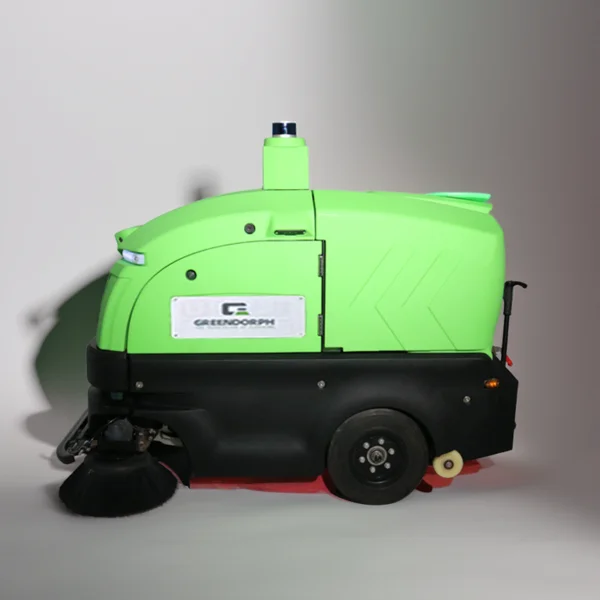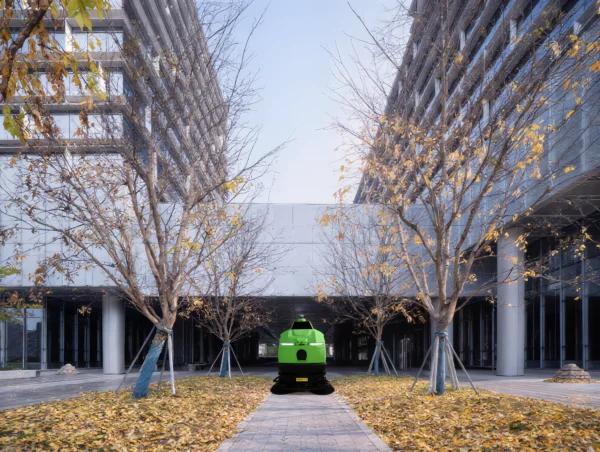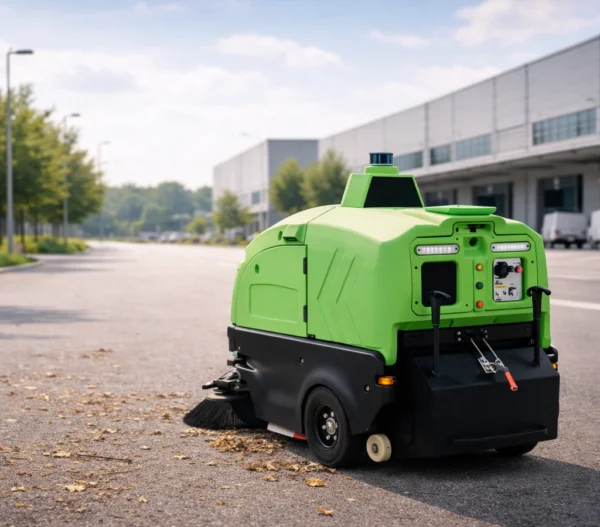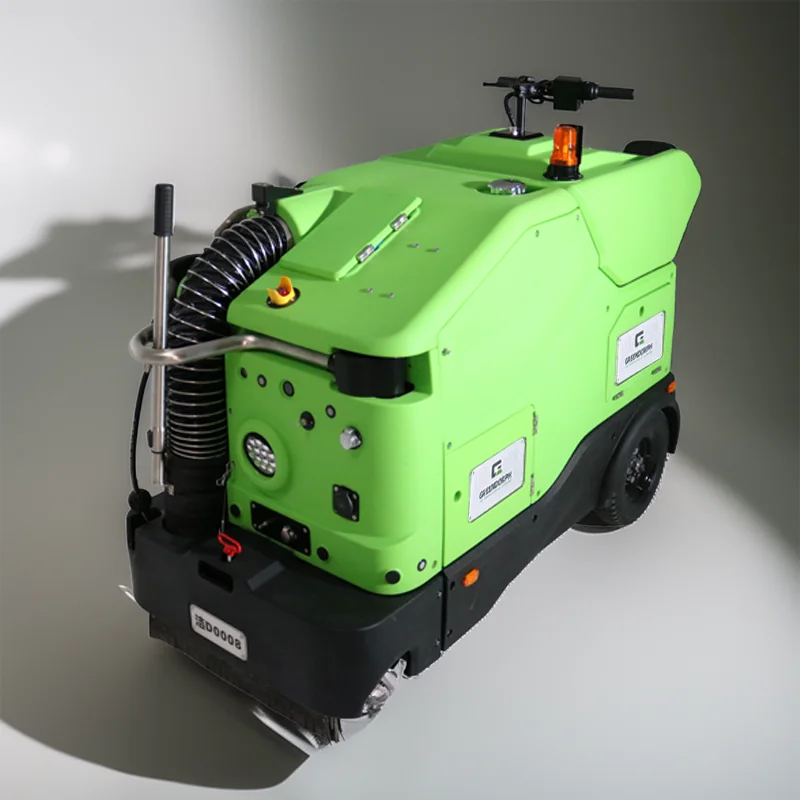
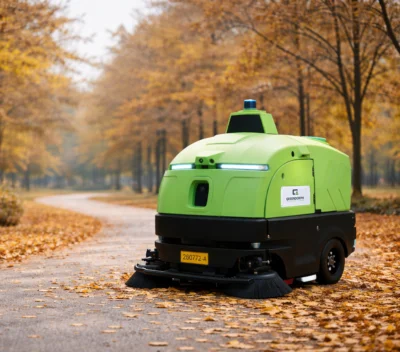
Modern facility management is moving toward more automated and data-driven solutions. At Greendorph, we design systems that support efficient, consistent, and structured outdoor cleaning. In large-scale environments such as commercial zones, industrial parks, and transport hubs, a parking lot sweeper must operate with precision while adapting to changing layouts, obstacles, and traffic flow.
To achieve this, we integrate advanced sensing technologies such as LiDAR into autonomous navigation systems. This enables safer and more predictable performance in real-world environments.
LiDAR-Based Perception in Outdoor Environments
LiDAR, or Light Detection and Ranging, builds a detailed spatial map by measuring the distance between the sensor and surrounding objects. In parking lot sweeping applications, this creates a real-time 3D understanding of curbs, parked vehicles, pedestrians, and debris zones.
Unlike traditional navigation methods that rely only on pre-set routes, LiDAR allows machines to continuously update their environment model. This is especially useful in parking areas where layouts change frequently due to vehicle movement and temporary obstacles.
Smarter Route Planning for Parking Lot Sweeping
In Greendorph systems, LiDAR data is combined with path-planning algorithms to improve coverage efficiency. A parking lot sweeper can detect open lanes, avoid repeated passes, and adjust its cleaning route dynamically.
This reduces unnecessary overlap and helps ensure that surface debris, dust, and litter are handled more systematically. It also improves adaptability across different parking structures, from open-air lots to more complex multi-zone layouts.
Safety and Operational Stability in Real-Time Conditions
One of the key advantages of LiDAR-based navigation is obstacle recognition. During parking lot sweeping operations, unexpected elements such as pedestrians, shopping carts, or newly parked vehicles can appear at any time.
LiDAR enables early detection and spatial classification, allowing the system to slow down, reroute, or pause when needed. This improves operational safety while maintaining consistent cleaning performance across busy environments.
Data-Driven Efficiency for Facility Operators
Beyond navigation, LiDAR also contributes to operational insights. By analyzing movement patterns and coverage density, facility managers can better understand which areas require more frequent cleaning.
At Greendorph, we use this data to support more structured deployment of cleaning fleets. Over time, this helps optimize maintenance schedules and resource allocation for parking lot sweeping programs without increasing operational complexity.
Conclusion
As outdoor environments become more complex, intelligent sensing plays a critical role in improving cleaning efficiency and reliability. By integrating LiDAR into autonomous systems, Greendorph enhances the capability of each parking lot sweeper to operate with greater awareness and adaptability.
In parking lot sweeping applications, this technology supports safer navigation, more consistent coverage, and more efficient resource use. The result is a more structured and dependable approach to large-area surface maintenance, aligned with the evolving needs of modern facilities.