Municipal roadways and neighborhood sidewalks face constant bombardment from windblown silica, seasonal leaf litter, and abrasive asphalt grit. If not removed, these particles lodge in pavement crevices and grind down surfaces over time. A dedicated street sweeper provides property managers with a systematic, reliable approach to preserving pristine outdoor environments across common areas.
Communal residential grounds care involves addressing distinct architectural challenges, from expansive parking zones to intricate brick-paved walking paths. Property teams often discover that manual sweeping is far too slow and physically exhausting to handle large-scale debris drops uniformly. By evaluating critical mechanical parameters—such as mechanical brush downpressure, advanced multi-sensor navigation, and dust suppression systems—procurement teams can secure reliable long-term investments.
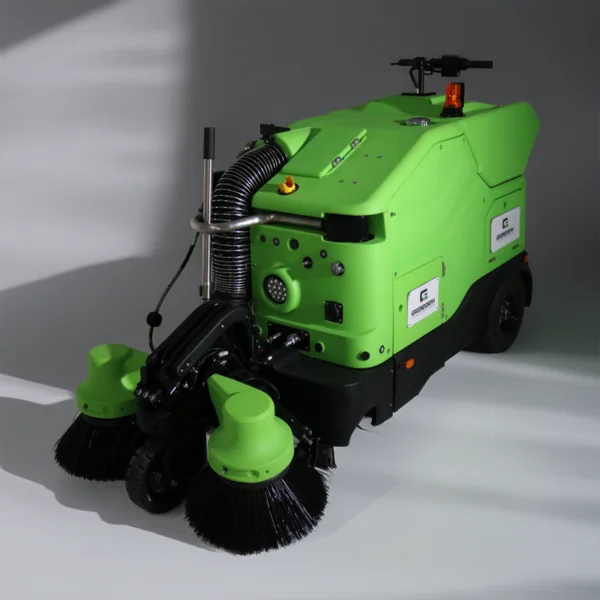
Analyzing the Mechanics of Debris Capture on Paved Roads
Paved municipal roads and residential walkways accumulate a demanding mixture of coarse gravel, fine sand, paper litter, and organic twigs daily. A robust collection system must create sufficient mechanical sweeping friction and airflow velocity to capture these diverse materials cleanly in a single pass. Standard cleaning gear often struggles to lift microscopic particles out of deep concrete joints without scattering dust into the surrounding air.
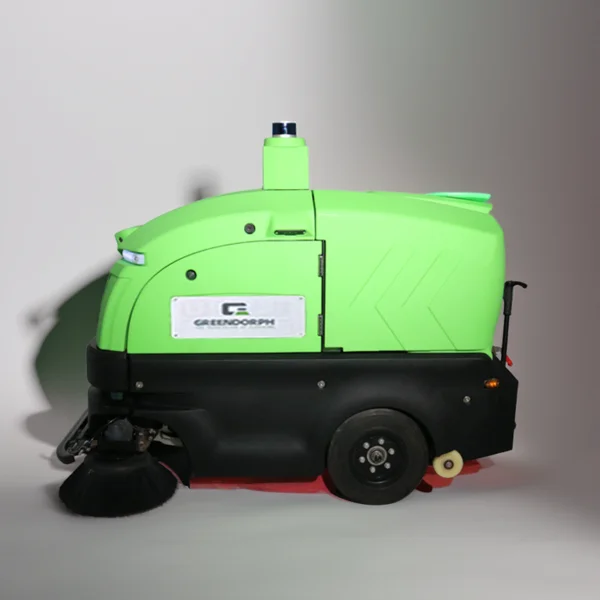
Communal paths require rugged utility machinery engineered to pull embedded grime out of textured surfaces safely. Using a dedicated street cleaning sweeper delivers that expansive paved plazas and neighborhood roads receive deep, consistent care. This heavy-duty mechanical approach prevents the long-term deterioration of municipal paving blocks caused by embedded particulate matter grinding under vehicle tires.
Mitigating Dust Dispersion with Wet Suppression Systems
Dry sweeping across outdoor plazas or stone pathways can easily launch massive dust clouds, creating potential respiratory discomfort for pedestrians. Advanced dust management relies on a balanced system that uses fine water misters to bind small particles together right before vacuuming. This wet-suppression mechanism traps fine concrete dust securely inside the collection hopper instead of venting it back into the neighborhood air.
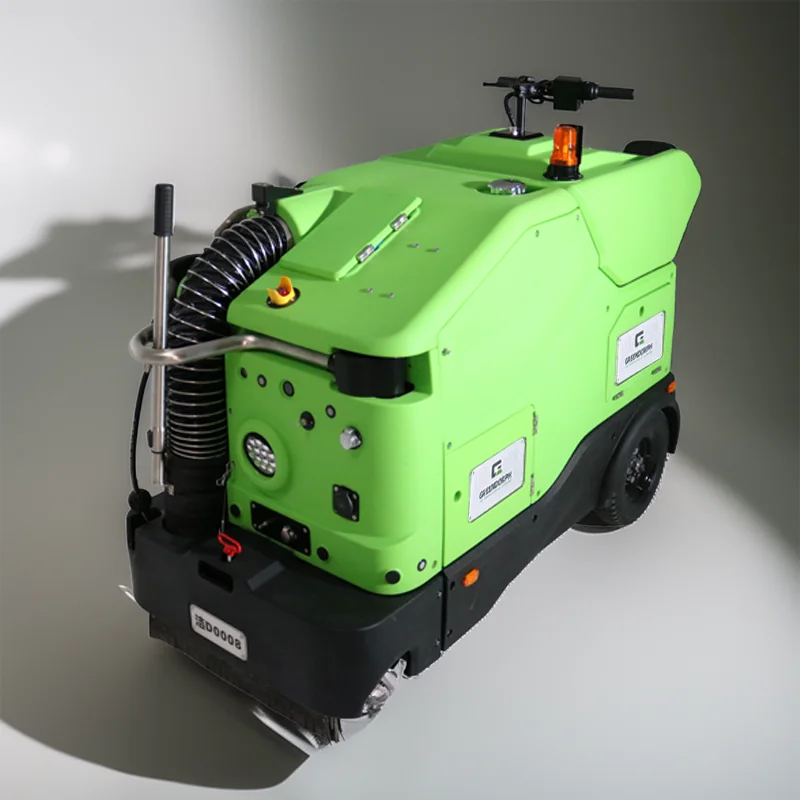
Utilizing a high-performance street sweeper guarantees that fine dust is captured cleanly without creating airborne hazards along local walkways. High-efficiency fabric filters prevent fine particulate matter from escaping back into public environments, keeping the local air quality clean and healthy. Our engineering team prioritizes these sealed filtration paths to safeguard municipal environments and sensitive neighborhood zones.
Overcoming Seasonal Debris Challenges with High-Torque Brushes
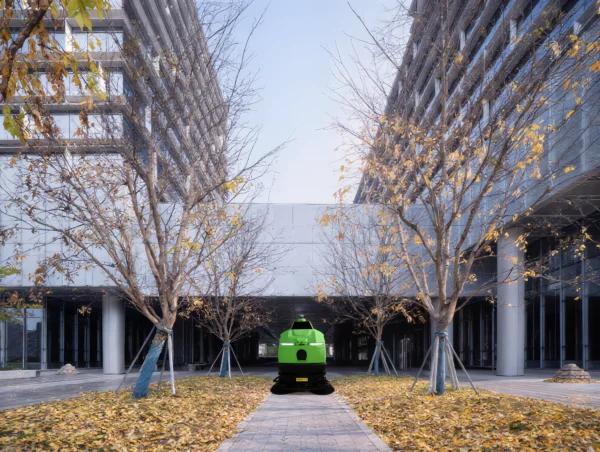
Outdoor residential spaces experience a continuous influx of natural waste that shifts drastically with changing weather patterns and seasonal drops. The seasonal struggle highlights why standard sweeping routines fall short: the biggest enemy here isn’t just dust—it’s organic debris. Leaves and twigs constantly accumulate on the textured brickwork, where wet conditions cause them to stick firmly and create slippery pedestrian hazards.
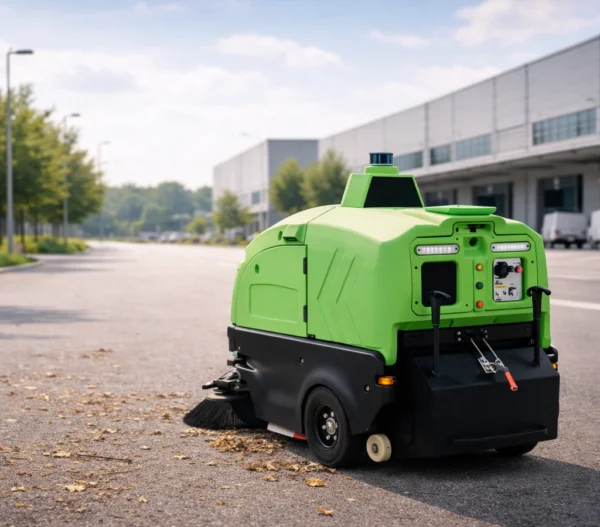
Solving this issue requires matching mechanical brush rotation with strong vacuum suction forces to lift damp, compacted organic layers easily. Our specialized street cleaning sweeper units use adaptive mechanical sweeps to clean rough concrete surfaces without causing bristle wear. This calculated contact lifts heavy gravel and wet organic layers easily, leaving your shared community sidewalks well-maintained.
Scaling Utility Logistics to Reduce Daily Labor Costs
Persistent labor shortages and rising employee turnover make it increasingly difficult for residential estates to maintain consistent daily cleaning schedules. Heavy manual sweeping is physically exhausting work, exposing cleaning personnel to harsh weather conditions and moving vehicle hazards. Modern municipal operations must look toward automated systems to stabilize their daily cleaning schedules and optimize labor distribution.
With our street cleaning sweeper, you can cut labor costs by up to 70% while maintaining consistent, 24/7 cleaning performance — all without the need for constant manual supervision. At Greendorph, we design our autonomous utility platforms to handle demanding cleaning routes safely without putting workers in harm’s way. This autonomous operation allows your crew to focus on complex maintenance tasks while the machine runs its continuous cleaning loops.
Emitting Zero Emissions with Near-Silent Electric Drives
Operating loud combustion-engine sweeping trucks during early morning shifts can create major noise disruptions for nearby residential properties. These high decibel levels often trigger resident complaints, forcing property managers to delay essential cleanings and disrupt daily schedules. Shifting to advanced, battery-powered electric drivetrains helps communities run quiet, eco-friendly cleaning shifts at any hour of the day or night.
Our 100% Electric & Eco-Friendly fleet design represents a major step forward in quiet, sustainable community utility operations. Our electric autonomous street sweeper fleet operates near-silently with zero emissions, making it the perfect solution for noise-sensitive residential areas and busy urban centers. This extended electric runtime allows your facility teams to complete expansive outdoor loops with minimal interruption while protecting your community’s peace.
Modular Electric Layout Streamlines Fleet Spare Parts Management
Municipal road maintenance teams usually stock a large variety of spare components to match multi-model fuel-powered sweepers, including dedicated hydraulic fittings, transmission belts and engine lubrication accessories. Long-term outdoor operation filled with asphalt grit and roadside gravel will accelerate the aging of scattered spare parts, forcing asset managers to maintain bulky inventory and occupy additional warehouse storage space for component storage.
Our outdoor sweeping equipment adopts brushless direct-drive modular electric layout, unifying core power modules across the whole product lineup. Standardized component specifications cut inventory stocking types and warehousing pressure for municipal fleets. Unified modular replacement also shortens on-site equipment repair time, guarantee continuous road cleaning coverage for urban arterial roads, residential sidewalks and parking lot pavement all year round.
Ensuring Operational Safety Through Advanced Sensor Fusion
Deploying automated utility equipment into crowded public plazas requires absolute trust in the machine’s real-time safety systems. Uncertified equipment or basic navigation systems can cause sudden collisions with pedestrians, temporary signs, or structural pillars. Utilizing advanced obstacle avoidance technology allows your automated cleaning loops run continuously and without causing property damage.
Using a combination of LiDAR, 3D cameras, and ultrasonic sensors allows a modern machine to map its surroundings in real time. This advanced autonomous setup enables flexible obstacle avoidance, ensuring that the equipment moves safely around pedestrians and parked cars. We prioritize precise spatial tracking to keep community operations running smoothly without needing constant manual human steering.
Conclusion
Replacing manual pushing brooms with quiet, low-emission machinery reduces daily labor costs, saves water, and removes on-site fossil fuel exhaust during facility sanitation cycles. These compact and highly maneuverable utility vehicles protect delicate decorative pavements while delivering consistent cleaning results across expansive public plazas. At Greendorph, we remain fully dedicated to engineering the high-performance, automated electric tools necessary to support grounds crews and keep global community environments pristine.