Selecting heavy utility hardware for municipal public works requires an analytical approach that prioritizes machine durability, energy efficiency, and low life-cycle operating costs. Modern cities gather vast quantities of fine dust, sand, and seasonal organic waste that quickly compromise local air quality and damage drainage infrastructure. Relying on inefficient sweeping methods creates constant maintenance bottlenecks, leading to dusty neighborhoods and high manual labor costs. Procuring an advanced, high-capacity street sweeper enables city planners to build a highly predictable, sustainable framework for public space preservation.
Evaluating different utility platforms requires looking past standard sales brochures to analyze real-world mechanical performance metrics. Important design elements like physical turning agility, automated dust suppression, and modular brush systems determine how effectively a machine operates in complex urban zones. Choosing a specialized sidewalk sweeper built for tight public spaces protects capital budgets while keeping your city’s paths exceptionally clean.
Analyzing Mechanical Agility in Complex Urban Landscapes
Narrow historic lanes, pedestrian shopping districts, and busy transit corridors present major physical navigation challenges for heavy sweeping vehicles. Standard oversized cleaning trucks can easily strike decorative lampposts or block active pathways, causing costly structural damage and traffic delays. Municipal procurement teams must evaluate the physical dimensions and steering geometries of potential fleet additions to secure safe operation.
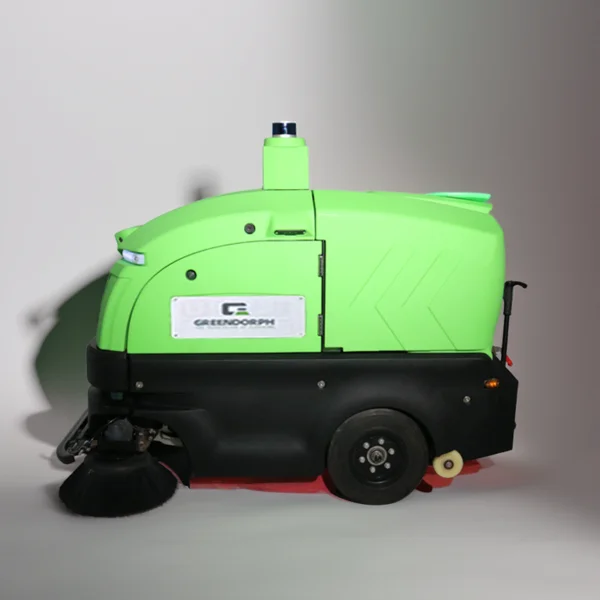
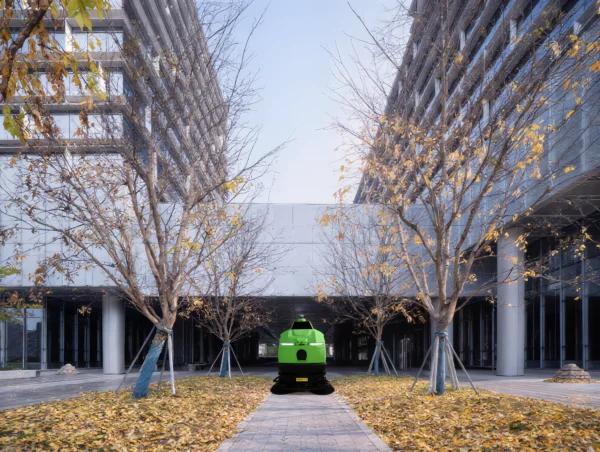
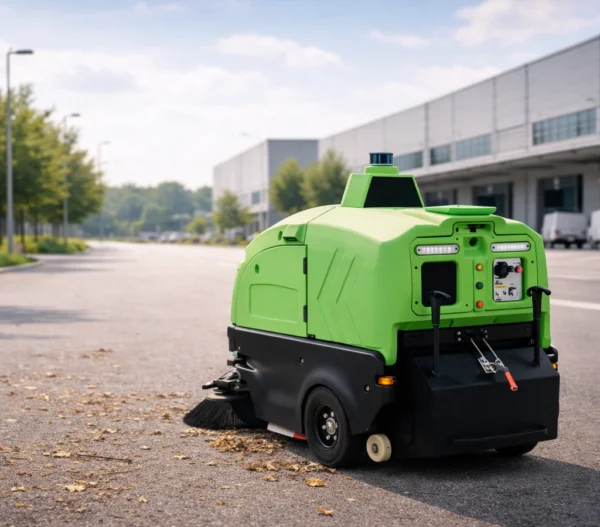
From narrow pathways to expansive city streets, Greendorph handles dust, debris, and fine particles with ease, with compact designs built for optimal maneuverability in any urban landscape. Our compact chassis engineering allows our specialized sweeping vehicles to negotiate tight public corners and park borders smoothly. This agile navigation assures that hard-to-reach municipal zones receive a thorough, consistent clean without disrupting the daily flow of local traffic.
Deciphering the Physics of Fine Dust Suppression and Air Filtration
Dry sweeping across concrete plazas or asphalt roads can launch massive particulate clouds, which may trigger breathing discomfort for nearby residents. Effective dust management relies on multi-stage filtration networks working alongside fine water misting systems to trap micro-particles effectively during operation. This wet-suppression mechanism binds fine silica dust inside the collection hopper, preventing it from venting back into the community.
Using a high-performance street sweeper helps city administrators meet strict local air quality and environmental protection goals. High-efficiency fabric filters prevent fine particulate matter from escaping back into the public air during long cleaning shifts. Our design projects prioritize these sealed air pathways to protect local urban environments and safeguard residential neighborhoods from airborne dust.
Sidewalk Sweeper Targeted Slurry Recovery Guards Municipal Pavement Assets
Municipal sidewalk paving is mostly constructed with thin stamped concrete and brick paving, which are susceptible to long-term erosion from standing filthy washing water and sediment-laden wastewater. Customized wastewater recovery configurations built for the sidewalk sweeper achieve synchronous cleaning and water recycling targeted at narrow pavement structures.
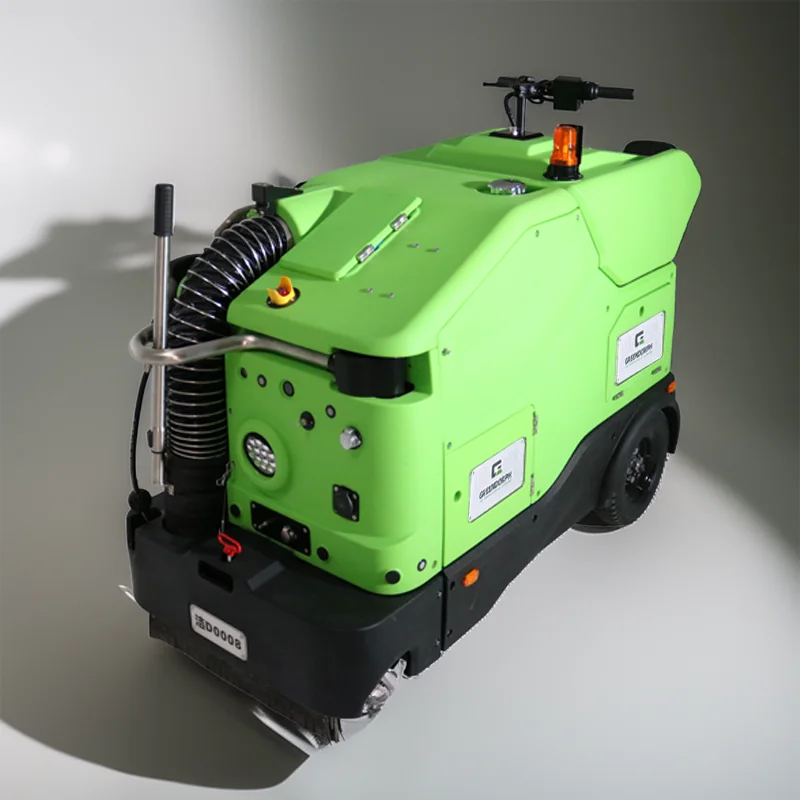
Coordinated heavy-duty rubber squeegees and high-negative-pressure suction units capture sludge mixed with grit and detergent right after scrubbing. The high-flow vacuum design draws trapped wastewater out of pavement expansion joints and brick gaps to stop water seepage damage. Deploying this sidewalk sweeper for urban pedestrian paths stabilizes pavement structural integrity and cuts routine concrete restoration spending for municipal engineering departments.
All-Time Operational Flexibility Supports Municipal Off-Peak Sanitation Planning
Cities arrange road cleaning during traffic off-peak hours to avoid rush-hour congestion and pedestrian crowding, yet fuel-powered sweepers have constraints on flexible scheduling due to high operating noise and exhaust restrictions in downtown blocks. Battery-driven power layouts break the time-scene limitations of conventional sanitation vehicles.
Large-capacity battery packs deliver up to 8 consecutive hours of stable operation to cover long-distance municipal cleaning routes in one deployment cycle. Greendorph low-noise electric sweepers adapt to off-peak nighttime, early morning and central business district cleaning plans, curbing comprehensive municipal power expenditure and lowering carbon output generated by urban sanitation operations.
Modular Electric Structure Unifies Municipal Fleet Maintenance Management
Municipal public works departments manage mixed fleets of sanitation vehicles with disparate engine and hydraulic accessories, which require diversified spare part procurement, classified storage and technician skill training, raising the comprehensive asset management threshold. Direct-drive brushless electric architecture realizes structural simplification and modular component generalization for street sweepers.
Fewer differentiated moving components realize unified spare part reserve and standardized daily inspection for the whole fleet. Simplified maintenance workflows shorten vehicle ground time, guarantee continuous coverage of municipal road cleaning tasks and control the long-term comprehensive maintenance expenditure of government procurement projects.
Conclusion
Public spaces deserve smarter care—automated electric sweepers replace outdated manual routines with quiet, low-emission performance. Dust control, pavement protection, and moisture hazard elimination—all while cutting labor and repair costs. We engineer sustainable electric tools that support grounds crews and keep smart cities pristine.