Investing in robust sanitation infrastructure for commercial plazas, business parks, and residential walkways requires a careful analysis of engineering variables and long-term operating costs. Fine sand, organic debris, and carbon soot collect on paved surfaces daily, accelerating the degradation of expensive concrete sealants under heavy tire traffic. Relying on basic manual labor often proves inefficient for covering massive areas, which drives up ongoing facility management budgets. Deploying a specialized street sweeper offers procurement teams a highly structured, data-driven approach to standardizing outdoor hygiene.
Navigating the procurement process involves looking closely at the mechanical design elements that dictate the actual cost of high-capacity cleaning assets. Key parameters—such as the battery duty cycle, structural chassis materials, and integrated sensor arrays—heavily influence the initial market price of municipal-grade hardware. Choosing an advanced sidewalk street sweeper built with long-lasting materials helps properties minimize maintenance expenses and maximize equipment lifespan. Analyzing these technical factors maintains that your capital investments remain highly productive for years to come.
Deciphering the Cost Impact of Battery Chemistry and Operational Lifespan
Heavy-duty electric utility fleets rely on complex battery packs that account for a significant portion of their overall manufacturing cost. Traditional lead-acid battery configurations are cheaper upfront but require regular water maintenance and have shorter lifespans. Shifting to advanced lithium-iron-phosphate battery packs increases the initial price but delivers much longer operational life and allows for convenient opportunity charging.
We optimize battery power performance to guarantee stable working hours for electric sweepers on a single charge. The prolonged continuous operation supports full large-area route cleaning without halts. Optimized motor power consumption lowers daily electricity costs while maintaining superior cleaning effects.
Evaluating the Value of Advanced Multi-Sensor Navigation Systems
Integrating autonomous driving hardware—such as LiDAR, high-definition 3D cameras, and ultrasonic sensors—naturally increases the baseline cost of modern sweeping platforms. However, this high-precision sensor array eliminates the need for continuous manual steering, which significantly reduces your long-term labor expenses. The initial investment in autonomous navigation tech pays off by preventing accidental collisions with structural columns and pedestrian benches.
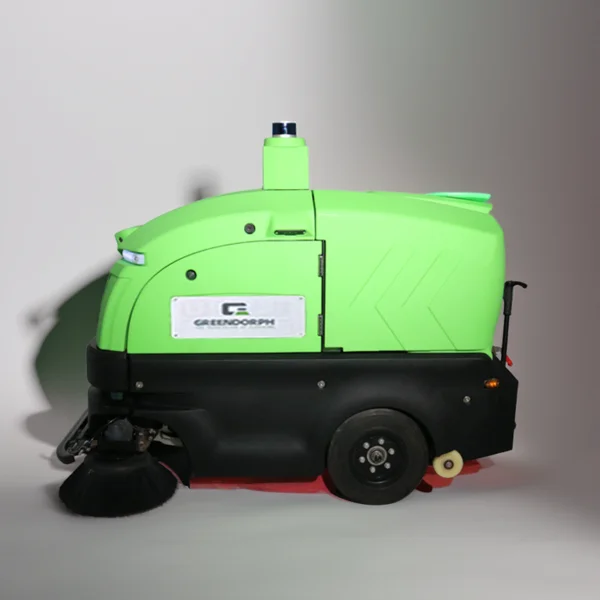
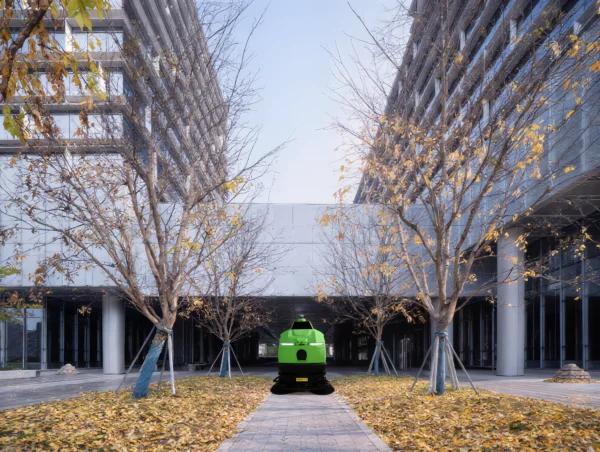
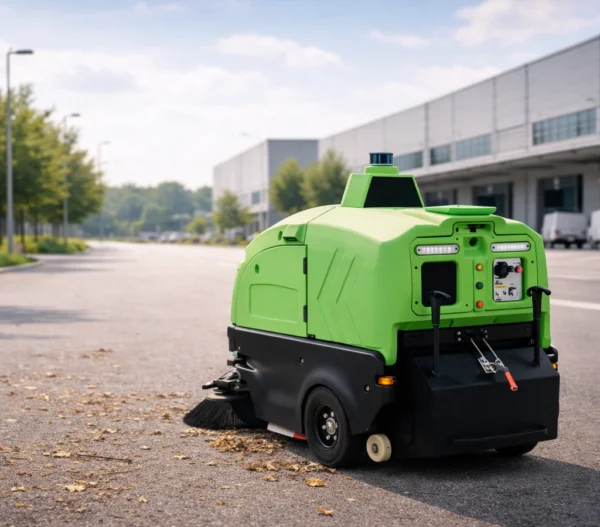
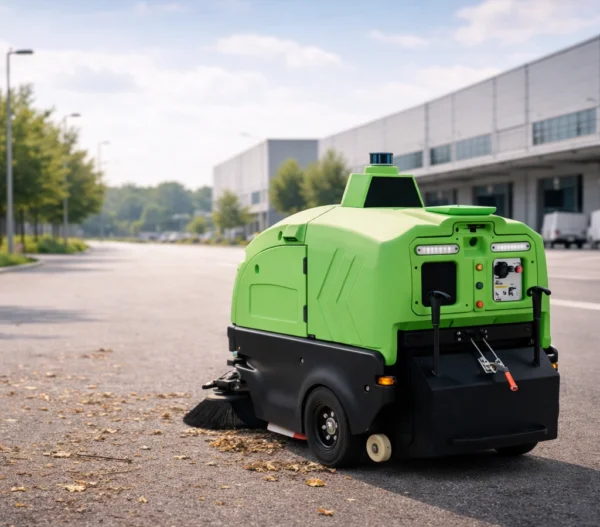
Our specialized Intelligent Street Sweeper: Built for all Roads showcases how advanced navigation technology operates safely in complex environments. At Greendorph, we calibrate our autonomous systems to adjust paths in real time, ensuring steady cleaning performance without human intervention. This reliable design prevents operational downtime and helps your facilities team optimize their daily resource allocation.
Analyzing Mechanical Simplicity and Maintenance Cost Reductions
Traditional sweeping vehicles with internal combustion engines feature complex hydraulic lines, direct drive belts, and delicate fluid pumps that require regular, specialized maintenance. Dusty outdoor operating conditions accelerate wear on these moving parts, leading to sudden hydraulic leaks and expensive workshop repair bills. Direct-drive electric motors simplify the underlying mechanical layout, reducing these common failure points and reducing upkeep costs.
Using a highly efficient sidewalk street sweeper equipped with brushless electric motors drastically cuts down your weekly maintenance checklists. Our technical design team removes unnecessary drive belts, making the machinery incredibly reliable and much cheaper to operate. Keeping the underlying mechanical architecture simple maximizes maximum vehicle uptime, keeping your cleaning fleet active on the ground.
Assessing Water Recycling and Dust Control System Components
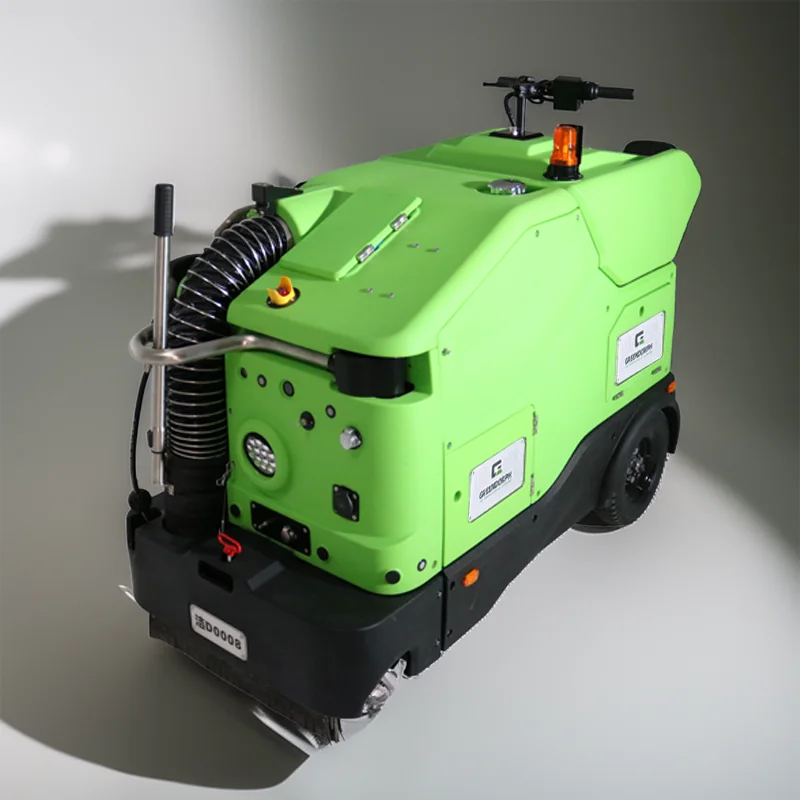
High-performance dust control systems rely on complex internal water pumps, fine misting nozzles, and advanced multi-stage vacuum filtration chambers. These components prevent fine concrete dust and carbon soot from blowing back into the surrounding air during active cleaning runs. Incorporating smart water recycling systems reduces the frequency of refills, helping crews clean larger areas on a single tank.
Procuring an advanced sidewalk street sweeper with built-in dust suppression protects local air quality and safeguards the health of nearby pedestrians. This environmental protection is especially critical for public schools, medical complexes, and residential neighborhoods. Investing in premium filtration systems reduces the need for secondary cleaning runs, helping you save on water and labor costs.
Calculating Long-Term Lifecycle Savings Over Upfront Purchase Prices
Evaluating the purchase price of industrial cleaning equipment requires analyzing the true total cost of ownership over a multi-year service lifespan. A cheap utility vehicle with high fuel consumption and frequent maintenance needs can easily exceed the cost of an advanced electric model within two years. Investing in energy-efficient, durable machinery protects your operational budgets from unpredictable fuel price spikes and frequent part replacements.
At Greendorph, we prioritize building quiet, low-emission electric vehicles that lower your annual energy costs while removing localized carbon emissions. This simplified engineering approach minimizes mechanical wear, ensuring that your equipment remains highly reliable and productive over time. Choosing robust utility hardware protects your assets, keeps communal paths pristine, and secures a highly predictable maintenance budget.
Conclusion
Securing high safety standards across modern public spaces requires shifting away from outdated manual tools toward automated electric utility systems. Utilizing advanced, low-emission street sweeper models allows property managers to protect floor coatings, control fine dust, and reduce moisture hazards. These quiet, highly maneuverable electric vehicles deliver exceptional cleanliness consistency while lowering annual repair and labor expenses significantly. Our team remains fully dedicated to engineering the robust, sustainable electric tools required to support grounds crews and keep global facilities pristine.