Developing a comprehensive maintenance plan for commercial ground areas, shopping centers, and multi-level parking garages requires balancing immediate operational expenses against long-term asset degradation. Winds, high-volume vehicular traffic, and changing weather conditions continuously distribute fine concrete dust, gravel, and organic waste across concrete surfaces. Ignoring this debris allows heavy vehicle tires to grind abrasive particles into the concrete, accelerating cracks and wearing down costly joint sealants. Utilizing a specialized parking lot sweeper offers facility managers a reliable, structured method to protect underlying paved surfaces from early wear.
Deciding to bring professional-grade sweeping equipment into your facility workflow requires a detailed review of daily debris volume and labor costs. Traditional manual push broom sweeps are slow, highly inconsistent, and physically exhausting for ground crews working across sprawling, multi-acre structures. By analyzing critical technical specifications—such as mechanical brush durability, vacuum suction velocity, and battery runtime—facility teams can secure highly productive cleaning solutions.
Understanding Particulate Settlement and Surface Friction Protection
Heavy vehicle movement across dry concrete decks generates constant frictional wear, breaking off tiny aggregate fragments that form fine, abrasive dust. This loose sand acts like a physical barrier, breaking critical tire-to-floor traction and increasing the risk of vehicle skidding during damp weather. Removing this gritty layer promptly restores essential surface grip, preserving the design safety of high-traffic transit pathways.
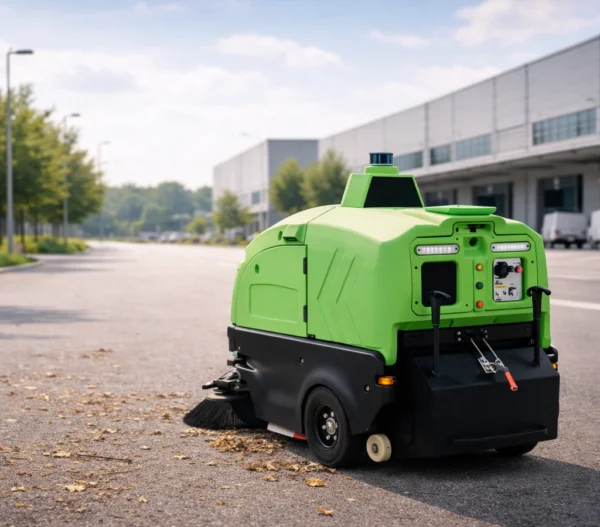
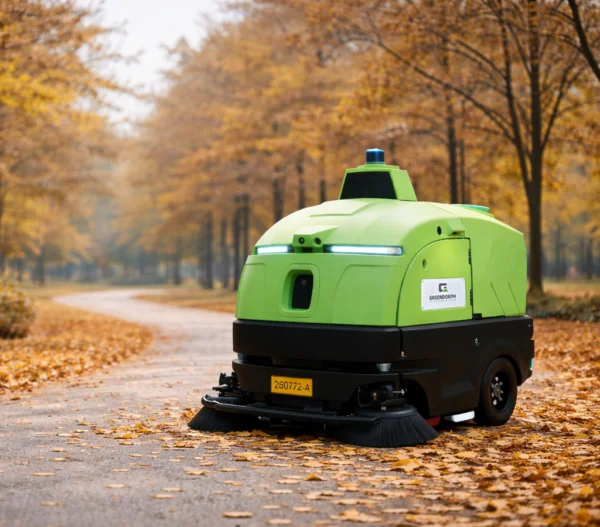
Operating a high-capacity parking lot sweeper allows ground crews to capture these abrasive micro-particles before they can cause concrete wear. Rotating side brushes pull fine sand directly into high-velocity suction paths, ensuring deep crevice cleaning in a single pass. This continuous structural care keeps your concrete pathways highly slip-resistant and perfectly safe for heavy daily vehicular traffic.
Mitigating Fine Dust Dispersion to Safeguard Indoor Environments
Dry sweeping across multi-level parking structures often kicks up dense dust clouds, exposing drivers and pedestrians to unhealthy airborne particulates. Modern dust containment relies on a balanced system that uses high-pressure water misters to bind small particles together right before vacuuming. This wet-suppression mechanism traps fine concrete dust securely inside the collection hopper instead of venting it back into the facility.
Regularly using a specialized carpark sweeper prevents fine soot and trash from blowing into nearby retail stores or office lobbies. High-efficiency fabric filters prevent fine particulate matter from escaping back into the public air during long cleaning shifts. Our engineering designs prioritize these sealed air pathways to protect indoor air quality and safeguard workers from inhaling fine airborne dust.
Streamlining Labor Allocation and Boosting Daily Crew Efficiency
Persistent staffing shortages and rising operational costs make it increasingly difficult for grounds crews to clean expansive paved areas by hand. Pushing heavy waste bins across multi-level parking structures is slow and exhausting, leading to inconsistent cleaning patterns and missed corners. Transitioning to specialized mechanical sweepers allows facilities to cover massive areas in a fraction of the time with minimal physical effort.
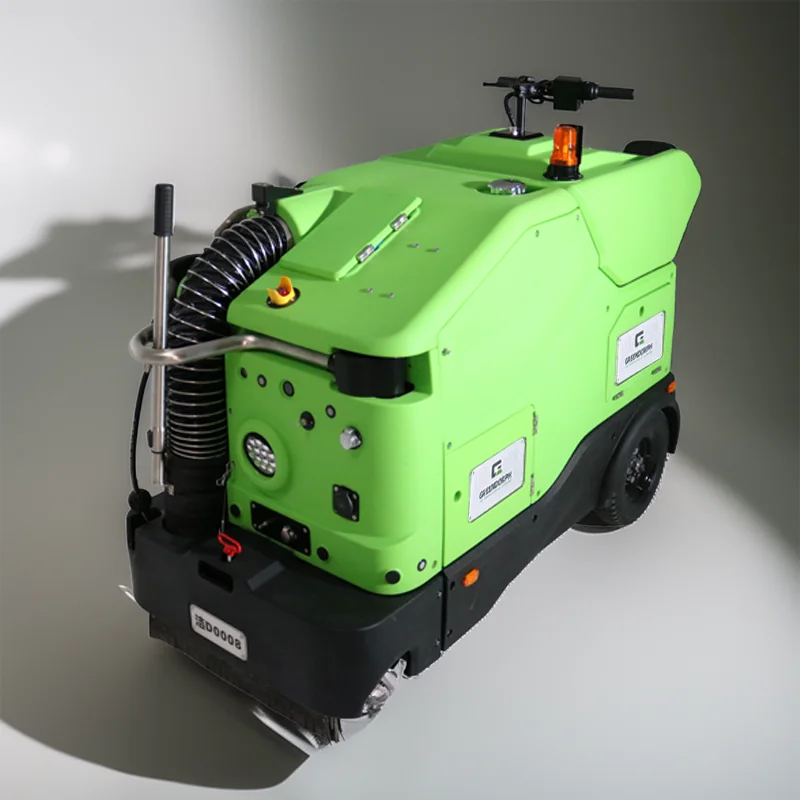
At Greendorph, we engineer highly efficient utility platforms to help facility teams cut down cleaning times and lower labor costs. Our equipment, featuring user-friendly controls, simple operation, and durable construction, enables operators to handle large-scale cleanup projects with minimal training. This automated sweeping approach lets your maintenance team focus on complex repairs, significantly increasing your overall operational productivity.
Exploring Compact Electric Solutions for Low-Clearance Structures
Multi-level parking garages feature low concrete ceilings, tight corner ramps, and restricted columns that present major navigation challenges for large sweeping trucks. Heavy, combustion-engine vehicles risk striking overhead sprinklers or blocking active driving lanes, causing costly property damage and traffic delays. Compact ride-on platforms solve these tight spatial issues, allowing operators to navigate restricted lanes and clean hard-to-reach corners safely.
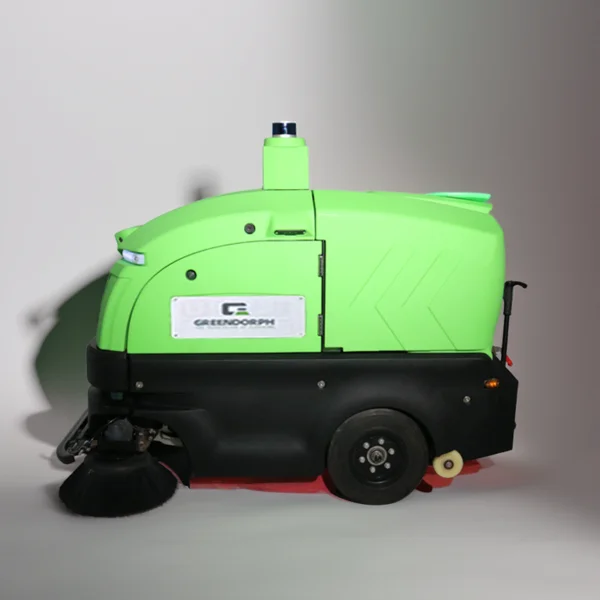
A highly agile parking lot sweeper delivers consistent cleaning for cramped parking bays and narrow drive ramps. At Greendorph, we design our compact models to turn smoothly in restricted areas without losing overall sweeping efficiency. Our YJ130 and YJ80 serve as reliable power sweepers for parking lots, providing flexible configurations that handle diverse commercial layouts easily.
Minimizing Engine Upkeep Costs to Protect Long-Term Budgets
Traditional sweeping trucks with internal combustion engines feature complex hydraulic lines, direct drive belts, and fluid reservoirs that require frequent, specialized maintenance. Dusty operating conditions accelerate wear on these moving parts, leading to hydraulic leaks, sudden breakdowns, and expensive repair bills. Transitioning to direct-drive electric systems simplifies the mechanical footprint, reducing these common failure points and reducing upkeep costs.
Our advanced carpark sweeper units use brushless electric motors to drastically lower your weekly maintenance checklists. Removing complex mechanical drives reduces the risk of sudden breakdown during busy cleaning shifts, keeping your fleet highly productive. This mechanical simplicity achieves maximum vehicle uptime, helping you maintain a clean environment while protecting your annual repair budget.
Conclusion
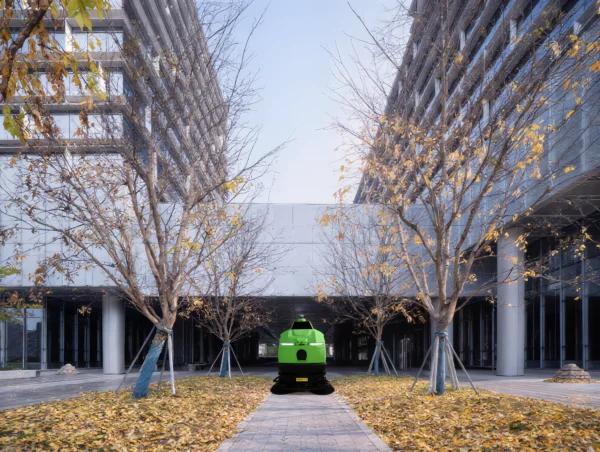
Caring for expansive commercial spaces requires a thoughtful shift away from outdated manual routines toward automated electric utility systems. Implementing a quiet, low-emission parking lot sweeper allows facility managers to protect pavements, control fine dust, and reduce moisture hazards quietly. These compact, battery-powered vehicles deliver exceptional cleanliness consistency across expansive public plazas while reducing annual repair and labor expenses. Our team remains fully dedicated to engineering the robust, sustainable electric tools required to support grounds crews and keep global smart cities pristine.