Choosing cleaning equipment for outdoor areas requires more than checking machine appearance or purchase price. Buyers need to consider cleaning performance, operating methods, maintenance requirements, and the working environment before making a decision. For property managers, facility operators, and service providers, selecting a suitable parking lot sweeper can affect daily cleaning efficiency and long-term operation costs.
Different sites have different cleaning conditions. Parking areas, pedestrian zones, and public spaces may face dust, leaves, small debris, and surface stains. A practical evaluation process helps buyers understand whether a machine can match their working needs instead of focusing only on basic specifications.
Comparing Cleaning Functions for Different Outdoor Environments
Cleaning requirements vary depending on the size and layout of the area. A parking facility may need regular dust collection, while outdoor plazas may require flexible movement around corners, entrances, and narrow passages. Buyers should first review the types of debris and the frequency of cleaning tasks.
A suitable machine should combine sweeping, dust control, and waste collection functions. When companies evaluate equipment, they often compare whether one unit can handle several daily tasks without requiring frequent tool changes. This approach helps simplify operation planning.
For parking lot cleaning companies, equipment flexibility is also an important consideration. Service teams may work across different locations, so machines with adaptable functions can help operators respond to various site conditions.
Cleaning coverage should also match the actual working area. Large machines may fit open spaces, but compact equipment can be more practical for areas with limited access, tight pathways, or complex layouts. Buyers need to balance working range with maneuverability.
Reviewing Operation Modes and Equipment Adaptability
Operator experience is another factor that affects daily cleaning work. Machines with simple controls and suitable operating modes can reduce the difficulty of training new operators. Buyers should consider how easily the equipment can move between different cleaning situations.
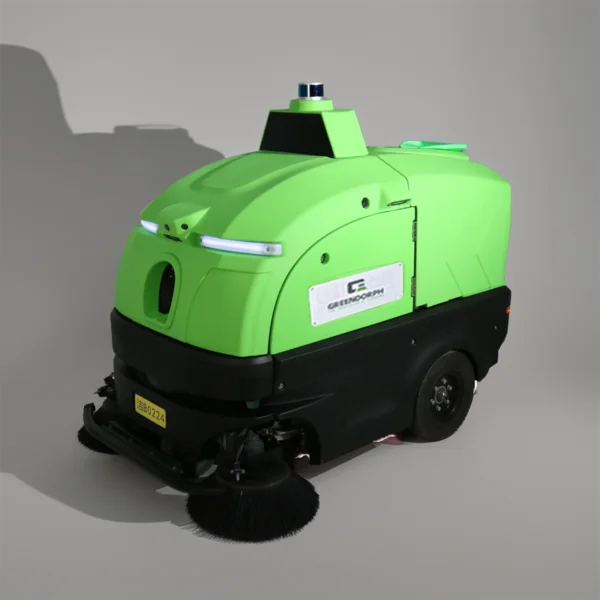
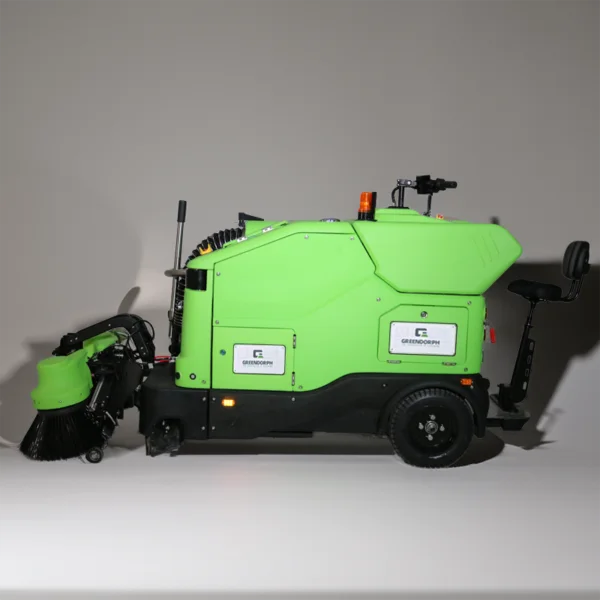
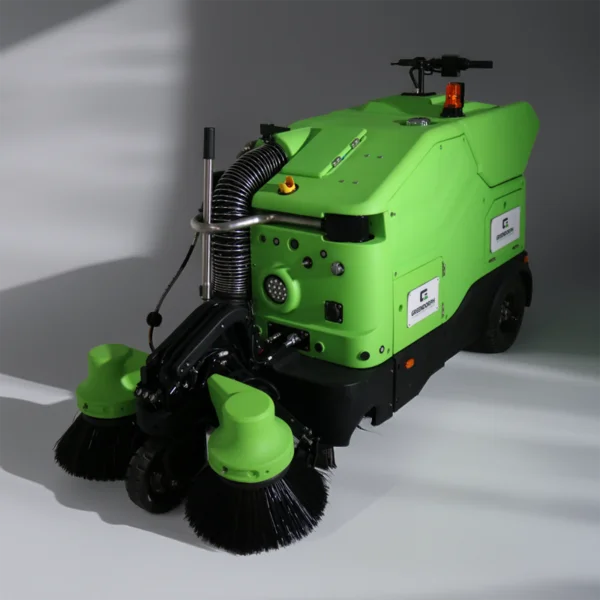
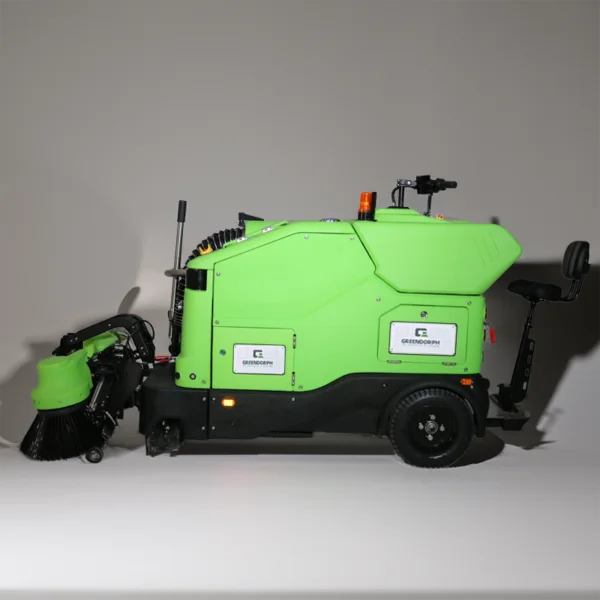
The Omniclean Urban Street Sweeper YJ80 is designed for different urban cleaning needs. It provides three operating modes, including manual ride on sweeper machine, auto-follow, and towed traction options. These modes allow cleaning teams to select a suitable operation method based on different environments.
The equipment uses a compact structure to improve movement in areas where space is limited. The floor sweeper ride on design allows it to work around sidewalks, pedestrian plazas, parking structures, and mid-sized outdoor areas while maintaining practical coverage.
For businesses comparing a parking lot sweeper for daily use, the machine’s operation method is an important part of the evaluation. Factors such as operator workload, site layout, and cleaning frequency should be considered together.
Checking Power System and Daily Working Performance
Energy use is closely related to operating costs. Buyers should review runtime, charging requirements, and noise levels when selecting electric cleaning equipment. These details can influence how the machine fits into daily schedules.
The YJ80 uses an electric operation system with up to 8 hours of runtime on a single charge. Its near-silent operation and zero-emission design make it suitable for environments where noise control and cleaner operation are important considerations.
The machine integrates several cleaning functions into one unit. Its vacuum system combines high-pressure flushing, water-spray cleaning, turbine blowing, targeted tube collection, and dust-suppression misting. This design reduces the need for multiple separate cleaning tools.
At Greendorph, we focus on developing cleaning equipment that matches practical outdoor maintenance requirements. The YJ80 is developed for professional cleaning scenarios where flexibility, operation efficiency, and equipment adaptability are important factors for buyers.
Considering Supplier Capability and Long-Term Use
Equipment selection is not only about machine specifications. Buyers should also review supplier experience, product support, and communication during cooperation. These factors can influence equipment use after purchase.
For companies that provide cleaning services, reliable equipment information and technical communication are useful during project planning. Parking lot cleaning companies often need solutions that can fit different locations and changing work requirements.
A supplier with knowledge of outdoor cleaning applications can help buyers understand whether equipment features match actual conditions. Clear product details, operating guidance, and after-sales communication can reduce uncertainty during equipment selection.
Greendorph provides cleaning solutions for urban and outdoor environments. Our approach focuses on practical machine design and application needs, helping business customers evaluate equipment based on working conditions rather than only surface features.
Making a Practical Decision Before Purchase
Selecting cleaning equipment requires a clear comparison of functions, operation methods, energy performance, and application scenarios. Buyers should review the actual environment first and then match machine features with daily tasks.
A suitable sweeper can help cleaning teams manage routine work with a more organized process. By considering factors such as mobility, cleaning functions, and operating conditions, buyers can make decisions that fit their long-term maintenance plans.
The right choice depends on how equipment performs in real working environments. Careful comparison before purchase helps businesses select a cleaning solution that supports stable daily operations and meets the needs of different outdoor spaces.