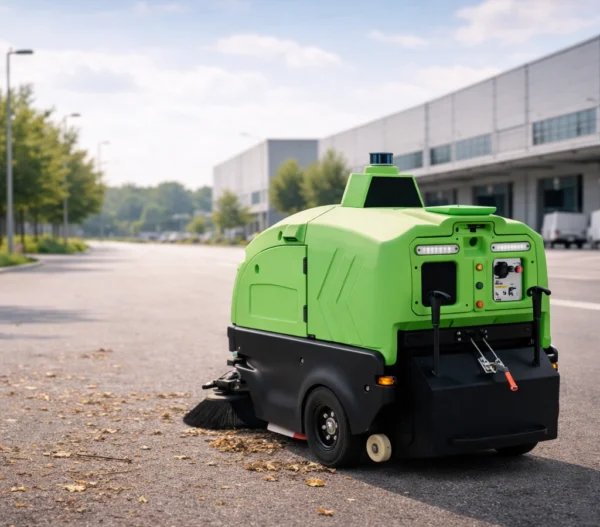
Large facilities usually require a more structured cleaning approach because daily operations involve larger floor areas, different types of debris, and longer working hours. Warehouses, factories, logistics areas, and public spaces all have their own cleaning conditions. Selecting suitable equipment requires a review of the working environment instead of only comparing product specifications.
A practical selection process should consider floor size, cleaning frequency, waste types, operator needs, and maintenance plans. The right equipment can match the actual workflow of a facility and help cleaning teams arrange daily tasks more efficiently.
Facility Size and Floor Conditions Affect Equipment Selection
The size and layout of a facility are important factors when choosing cleaning equipment. Large open spaces may require machines with wider cleaning paths, while areas with narrow routes may need more flexible operation. Buyers should first understand the space structure before deciding on a suitable solution.
Different floor materials also influence equipment requirements. Concrete floors, smooth surfaces, and outdoor areas may collect different types of dust and waste. The machine design should match the surface conditions to achieve stable cleaning results during regular use.
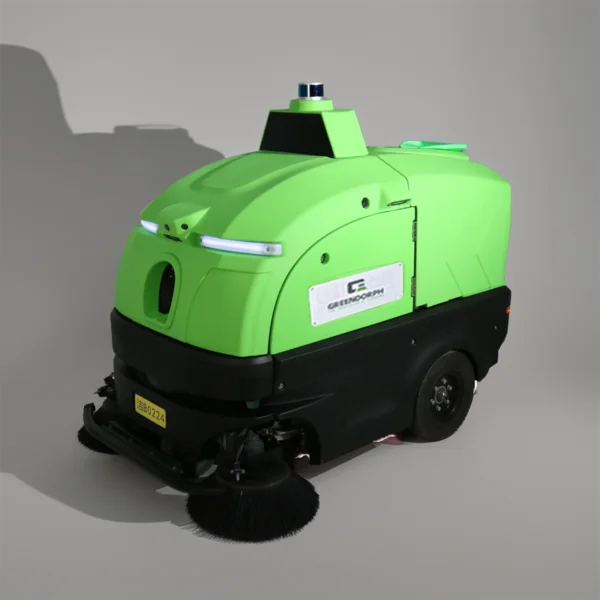
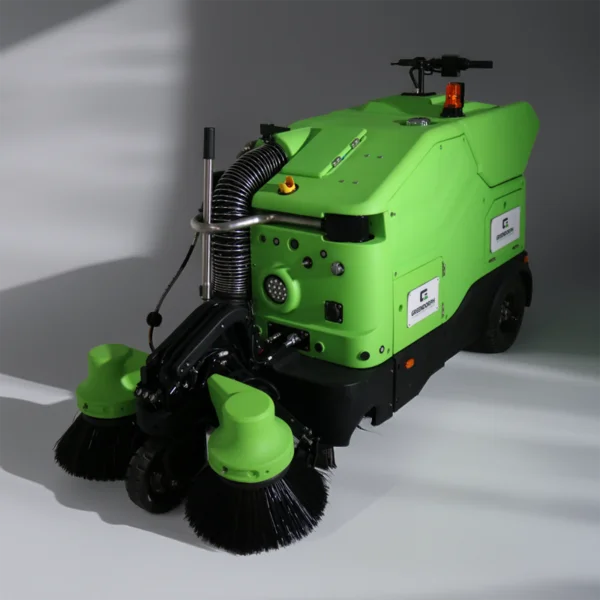
When selecting an industrial cleaning machine, facility managers should review key details such as cleaning width, operation method, power type, and waste collection design. These factors can affect whether the equipment fits the daily cleaning process.
Cleaning Tasks Determine the Right Machine Functions
Not every facility faces the same cleaning challenges. Some locations mainly deal with dust and small particles, while others may need to remove leaves, packaging materials, or heavier debris. Understanding the common waste types helps buyers compare equipment functions more clearly.
Cleaning frequency is another point that needs attention. Facilities with daily cleaning schedules may focus on operating efficiency and simple maintenance. Areas with occasional cleaning needs may consider equipment that matches specific tasks without adding unnecessary complexity.
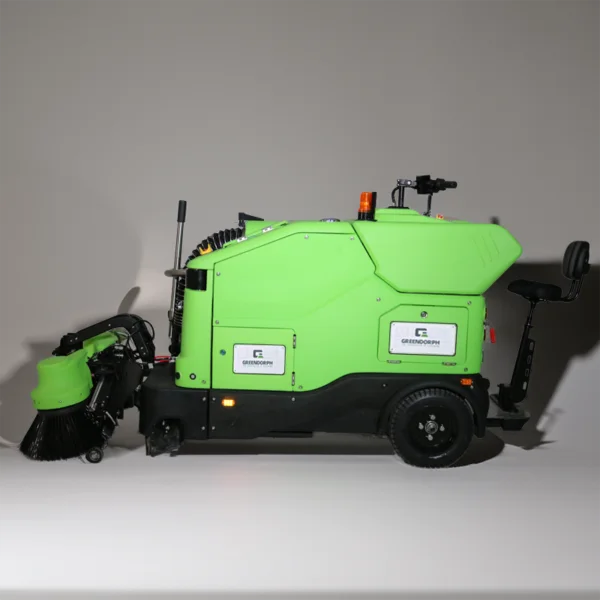
For large working areas, industrial floor sweepers are often considered because they are designed for cleaning wider floor spaces. However, buyers still need to check whether the sweeping method, machine capacity, and operation style are suitable for their own environment.
Operation Design Influences Daily Cleaning Efficiency
The way operators use equipment can affect the overall cleaning process. A machine with simple controls, clear visibility, and suitable movement ability can make regular operation easier for staff. Facility teams should consider operator habits and working routes before making a final choice.
Storage and transportation arrangements are also part of equipment planning. Large facilities need to think about where machines will be parked, charged, or maintained after use. These practical details can influence daily management after installation.
At Greendorph, we focus on developing cleaning equipment solutions based on different application environments. We communicate with business customers about their facility conditions, cleaning requirements, and usage expectations before discussing suitable equipment options.
Maintenance Planning Helps Control Long-Term Use
Equipment selection should include maintenance considerations from the beginning. Buyers can review cleaning procedures, replacement parts, inspection requirements, and service arrangements before purchasing. A clear maintenance plan helps teams manage equipment use over time.
Battery life, charging methods, and routine checks are also important for facilities using electric cleaning equipment. Operators need to understand daily maintenance steps so the machine can remain suitable for regular cleaning schedules.
For many large facilities, industrial floor sweepers need to match not only cleaning tasks but also maintenance capabilities. A machine that fits the working environment and maintenance plan can become easier to manage during long-term operation.
Supplier Communication Supports Better Project Decisions
Choosing equipment is not only a product comparison process. Facility managers often need to discuss site conditions, expected workloads, and application details with suppliers. Clear communication helps both sides understand the actual requirements.
Before contacting a supplier, buyers can prepare information about floor area, cleaning frequency, debris conditions, and operating limitations. These details allow equipment discussions to focus on practical applications instead of general descriptions.
Greendorph provides cleaning equipment solutions for different business environments and pays attention to application requirements during product communication. We work with customers to understand project conditions and discuss suitable configurations based on their cleaning needs.
A Practical Evaluation Creates a Suitable Cleaning Plan
Selecting equipment for large facilities requires attention to several connected factors. Space conditions, cleaning tasks, operation methods, and maintenance plans all influence the final decision. A careful evaluation process helps businesses choose equipment that matches their actual working environment.
A suitable industrial cleaning machine should not only meet current cleaning requirements but also fit the daily management process of the facility. By reviewing specific needs before selection, buyers can create a clearer cleaning plan and improve equipment usage.
With experience in cleaning equipment development, Greendorph continues to communicate with business customers about different application scenarios. Companies can discuss their facility conditions and cleaning goals with our team when planning their equipment selection.