Cleaning outdoor areas often involves more than collecting visible waste. Dust, leaves, sand, stains, and surface dirt can appear at the same time, creating different cleaning challenges for site operators. A machine that only sweeps may remove loose debris but may not handle attached dirt on the ground. In these situations, combining sweeping and scrubbing functions can provide a more suitable cleaning method.
For urban areas, parking spaces, public walkways, and property maintenance sites, choosing equipment depends on the actual cleaning conditions. Understanding when both functions are needed helps buyers select machines that match daily operation requirements.
When Sweeping Alone May Not Meet Cleaning Requirements
Sweeping is an important step for removing dry waste from outdoor surfaces. It works well for collecting dust, leaves, small paper pieces, and other loose materials. However, some areas also have dirt that sticks to the ground because of vehicle movement, weather conditions, or regular human activity.
For example, parking structures may collect dust from vehicles while also having marks left by tires or other surface residues. Public plazas can gather both fallen leaves and dirt caused by frequent foot traffic. In these cases, sweeping alone may leave some cleaning tasks unfinished.
A site that faces mixed cleaning conditions may need equipment that combines debris collection with surface washing. This is where ride on sweeper scrubbers can become a practical option, as they are designed to handle both dry and wet cleaning requirements within one operation.
The decision should not be based only on the size of the area. Operators should also review the types of dirt, cleaning frequency, and expected surface condition after cleaning.
Sites That Often Require Sweeping and Scrubbing Functions
Different locations have different cleaning priorities. Areas with high pedestrian activity usually need regular removal of dust and small waste, but they may also require deeper cleaning to maintain a cleaner appearance.
Commercial plazas, sidewalks, and urban public spaces are examples where both functions can be useful. These areas often experience continuous exposure to outdoor dust, weather changes, and daily activities. A machine with combined functions can help cleaning teams handle changing conditions more efficiently.
Industrial parks and parking areas may also benefit from dual-function equipment. These locations usually cover larger spaces and may contain both loose debris and surface dirt. Using separate machines for different tasks may increase equipment coordination and operator workload.
For property managers and maintenance teams, a ride on sweeper with additional scrubbing capability can help create a more flexible cleaning process. It allows operators to adjust their approach according to the condition of each area instead of following only one cleaning method.
Improving Daily Cleaning Through Combined Functions
Using separate machines for sweeping and washing can require more planning. Operators may need to arrange different equipment, change tools, or schedule additional cleaning steps. For sites with regular maintenance needs, these processes can affect daily workflow.
A combined cleaning system allows teams to complete multiple tasks with one machine platform. This can simplify route planning and reduce the need for frequent equipment changes. However, the actual benefit still depends on whether the site regularly faces both types of cleaning requirements.
Machine flexibility is also important for different environments. Narrow walkways, parking areas, and outdoor public spaces may require equipment that can move through different layouts while maintaining cleaning performance.
When selecting equipment, buyers should review operating modes, cleaning methods, battery capacity, and maintenance requirements. These factors help determine whether the machine fits the working conditions of a specific location.
How Greendorph YJ80 Supports Multiple Cleaning Tasks
Based on practical urban cleaning needs, Greendorph develops equipment that combines different cleaning methods in one system. Our goal is to provide solutions that help professional cleaning teams handle various outdoor environments with suitable operation options.
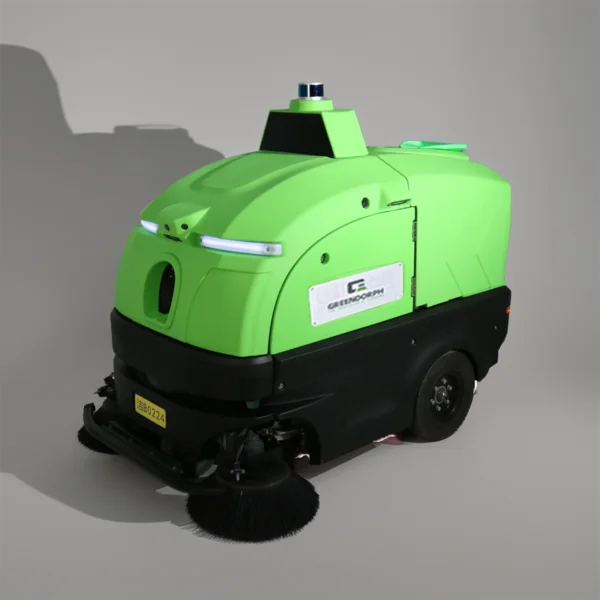
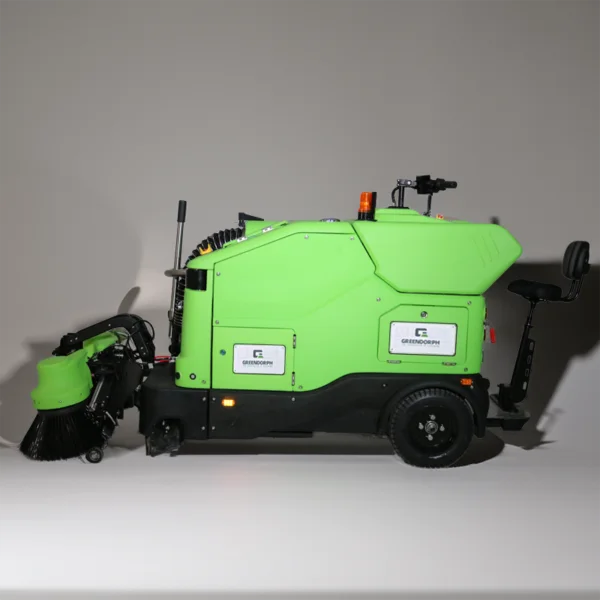
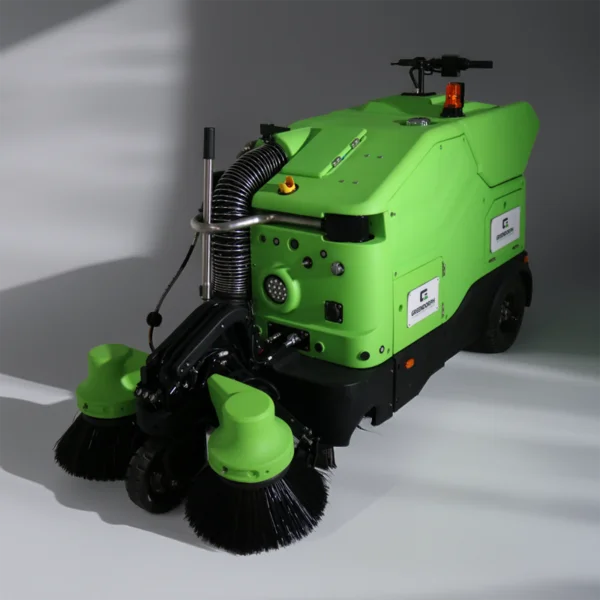
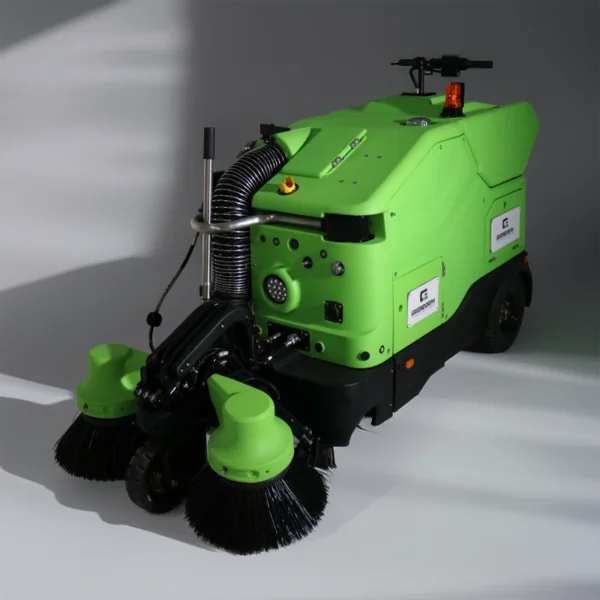
The Omniclean Urban Street Sweeper YJ80 is designed for urban cleaning applications. It provides three operation modes, including manual operation, auto-follow, and towed traction. These modes allow operators to choose a suitable working method based on different site layouts.
The YJ80 combines vacuum collection, high-pressure flushing, water-spray cleaning, turbine blowing, targeted tube collection, and dust-suppression misting. These functions allow the machine to manage different cleaning steps without relying on multiple separate tools.
Its compact design helps it move through areas such as sidewalks, pedestrian plazas, parking structures, and mid-sized outdoor spaces. The machine also provides up to 8 hours of runtime on a single charge, with electric operation that supports quieter cleaning work.
Choosing Equipment Based on Real Site Conditions
Not every location needs a machine with both sweeping and scrubbing functions. Sites with mainly dry debris may only require basic sweeping capability. However, areas with mixed waste and surface dirt should consider whether combined solutions such as ride on sweeper scrubbers can better match their cleaning needs.
A practical evaluation should include the type of surface, daily cleaning schedule, available working space, and operator requirements. These details provide a clearer basis for equipment selection.
For teams comparing different cleaning solutions, understanding the difference between simple debris collection and deeper surface cleaning is important. The right equipment choice depends on the challenges faced during daily operation.
Matching Cleaning Functions With Long-Term Needs
The need for both sweeping and scrubbing functions comes from real site conditions. Locations with changing dirt types, regular public use, or larger outdoor areas may require more flexible cleaning methods.
At Greendorph, we focus on developing equipment that combines practical functions with operator-friendly designs. The YJ80 provides multiple cleaning methods in one compact system, helping professional users manage different cleaning tasks according to their site requirements.
A clear understanding of cleaning challenges allows buyers to make more suitable decisions. By evaluating the environment first and equipment functions second, businesses and organizations can build a cleaning process that fits their daily operations.