The cost of outdoor cleaning equipment is influenced by more than the machine size or basic specifications. Cleaning system design, power source, functional configuration, manufacturing structure, and maintenance requirements all affect the final investment. Different working environments also create different equipment needs, which can change the selection and pricing considerations.
For B2B buyers, understanding these factors can make equipment evaluation more practical. A suitable cleaning machine should match the required workload, operating conditions, and long-term use plan instead of focusing only on the initial purchase cost.
Cleaning System Design Affects Equipment Cost
The cleaning system is one of the main factors that influences the cost of a street vacuum cleaner. Different suction technologies, airflow structures, and dust collection methods require different levels of engineering and component design.
A machine designed for fine dust collection usually needs a stable airflow system and suitable filtration structure. These parts affect how the equipment handles daily cleaning tasks and also influence manufacturing complexity.
For urban cleaning areas, buyers often need equipment that can collect dust, leaves, and other surface waste. A more complete cleaning system may include additional functions, which can increase the overall equipment cost.
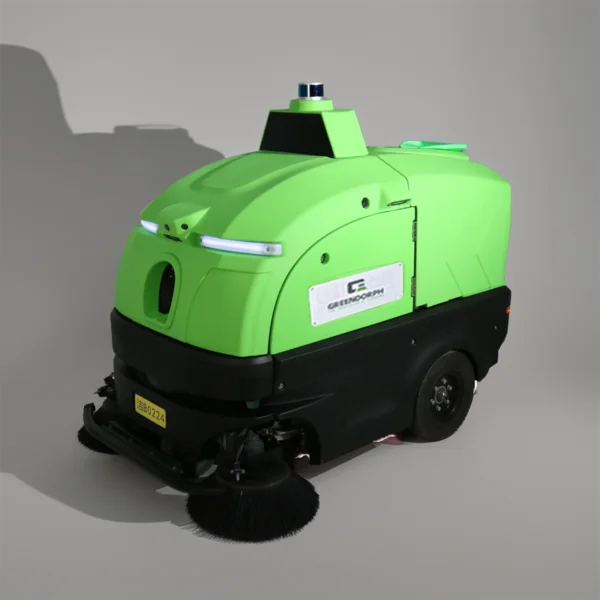
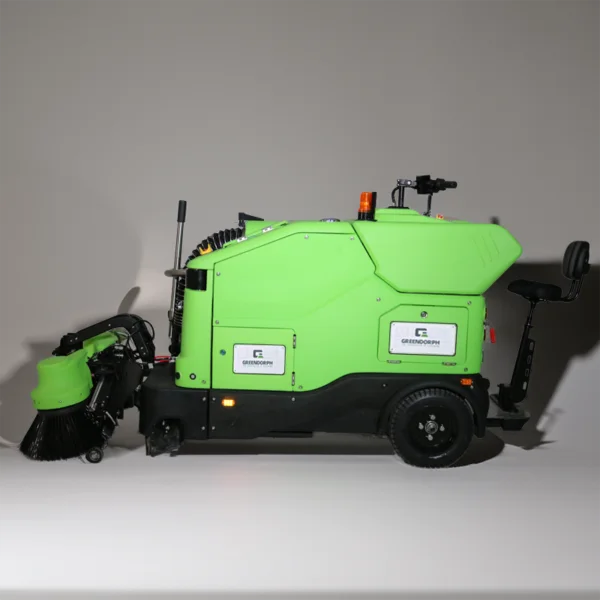
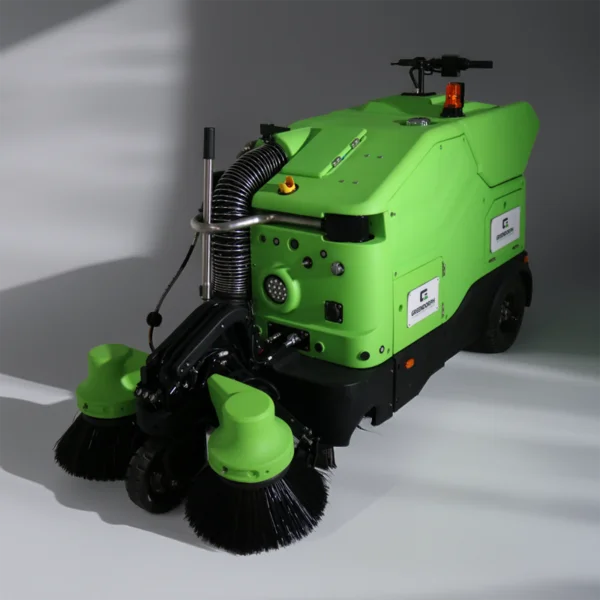
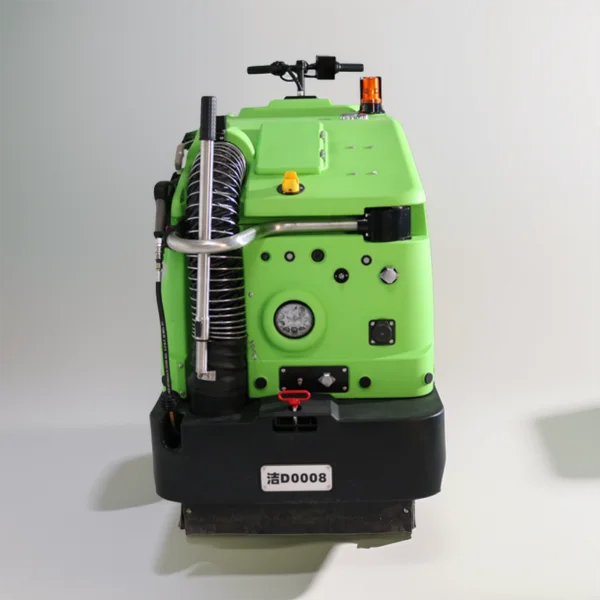
The YJ80 Vacuum Street Sweeper uses a negative-pressure suction system as the core cleaning structure. Its design combines vacuum collection, dust-suppression misting, airflow blowing, water spraying, and surface flushing functions to handle different outdoor cleaning requirements.
Power Systems Influence Initial and Long-Term Costs
The power system is another important factor when evaluating equipment cost. Electric machines usually include battery packs, charging systems, and power management components, which affect the overall design and investment.
When selecting a street vacuum, buyers should consider battery capacity, working hours, charging requirements, and daily cleaning schedules. These factors are connected with both equipment purchase decisions and future operation planning.
The YJ80 Vacuum Street Sweeper adopts a fully electric design and can operate for up to 8 hours per charge. It does not use hydraulic circuits, which changes the machine structure and affects maintenance considerations during regular use.
Energy consumption is also related to long-term costs. A machine that matches the working area and cleaning frequency can help operators create a more suitable operation plan.
Functional Configuration Changes the Price Structure
Different cleaning functions can create differences in equipment cost. A machine with only basic suction functions usually has a simpler structure, while equipment with multiple cleaning methods requires more integrated design.
At Greendorph, we develop cleaning equipment by considering practical outdoor applications. Our solutions focus on combining useful functions with suitable operating methods for different cleaning environments.
The YJ80 includes five integrated functions within one cleaning system: targeted vacuum-tube collection, intelligent dust-suppression misting, turbine-speed airflow blowing, water-spray cleaning, and high-pressure surface flushing.
These configurations affect equipment cost because they involve additional components and control systems. However, for some projects, integrated functions can reduce the need to arrange several separate machines for different cleaning tasks.
Machine Structure and Application Environment Matter
The working environment also affects equipment selection and cost. A machine used on open roads may have different requirements from one operating in pedestrian areas, sidewalks, or parking structures.
Compact design, movement flexibility, and control methods are important factors for locations with limited space. More flexible structures may require additional engineering during development and production.
The YJ80 is designed with a compact footprint and sensor-fusion obstacle avoidance system. This structure helps it move through narrow areas and mid-sized outdoor spaces where maneuverability is important.
For buyers, the application area should be reviewed before comparing prices. Equipment designed for specific working conditions may include features that are related to the actual cleaning challenges of the site.
Maintenance Requirements Affect Total Ownership Cost
The purchase price is only one part of equipment evaluation. Maintenance needs, component replacement, and daily operation also influence the total cost during the service period.
A machine with a complex structure may require more professional maintenance, while a design with fewer maintenance points may simplify routine management. Buyers should review these details before making a decision.
Control systems can also influence operation costs. Different working modes may affect operator training and workflow planning. Equipment that fits the operator’s working habits can reduce unnecessary adjustments after installation.
The YJ80 provides manual ride-on, auto-following, and towed traction modes. These options allow users to select a suitable operation method according to different site conditions and cleaning processes.
Choosing Equipment Through a Complete Cost Evaluation
At Greendorph, we understand that equipment selection involves multiple considerations beyond the listed price. We communicate with customers about cleaning environments, operation requirements, and equipment configurations to help evaluate suitable options.
The cost of a street vacuum cleaner is affected by many elements, including suction technology, power design, functional integration, machine structure, and maintenance planning. Reviewing these factors helps buyers understand why different models have different price ranges.
A practical purchasing decision should connect equipment features with real working needs. By comparing cleaning targets, operating conditions, and long-term use requirements, buyers can select a solution that fits their project expectations.