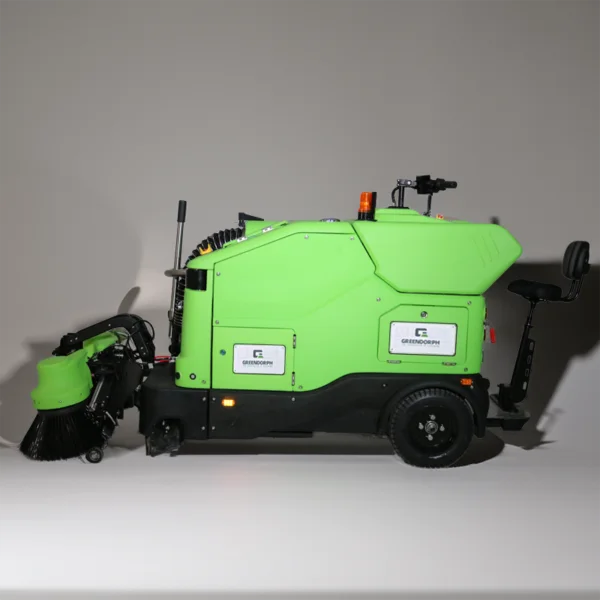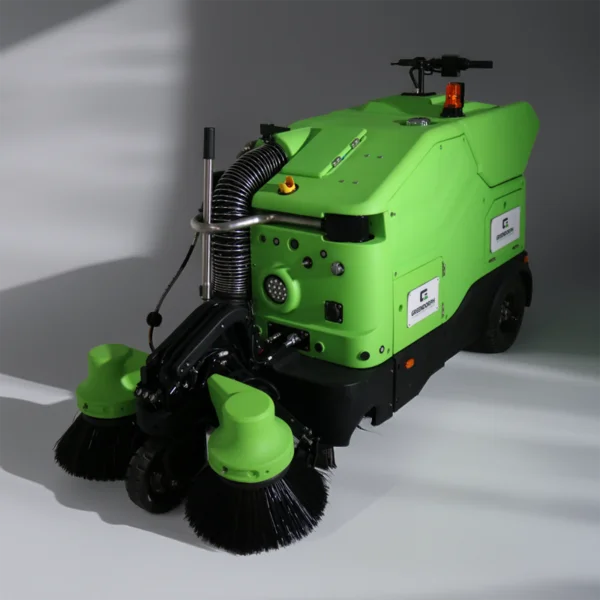
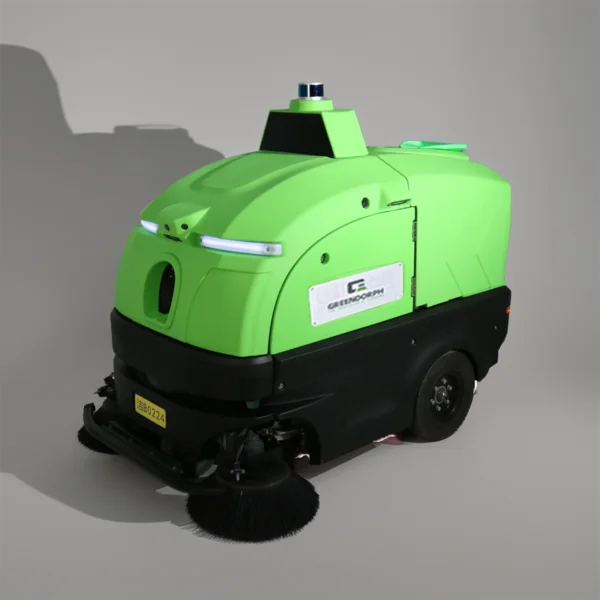
A good cleaning route should answer three questions: where the machine starts, which areas it cleans first, and how it returns without repeating the same path. For large facilities, route design affects travel distance, cleaning coverage, and time spent moving between work zones.
When planning routes for floor cleaning machines, the goal is not simply to cover every square metre. The route should match traffic patterns, floor layout, debris distribution, and the cleaning window available.
Map the Site Before Drawing the Route
Route planning should begin with a simple floor map. Mark entrances, aisles, open areas, loading points, ramps, columns, fixed equipment, and narrow passages. These features determine where movement is easy and where turns need extra space.
The map should also show places that regularly collect dust, leaves, packaging waste, or other debris. A loading entrance may need more attention than a quiet corridor. This prevents every zone from receiving the same cleaning time.
Temporary obstacles also matter. Pallets, carts, parked vehicles, or movable barriers may change throughout the day. A route that looks efficient on paper can become impractical when these items block the planned path.
Divide the Floor into Working Zones
Large sites are easier to manage when divided into smaller cleaning zones. Each zone should have a clear boundary, such as an aisle, wall, doorway, or operational area. This makes it easier to check which sections have been completed.
Zones can then be ranked by priority. Busy entrances, production passages, loading areas, and public walkways may need earlier or more frequent cleaning. Lower-traffic areas can be scheduled later or cleaned less often.
If deliveries or maintenance block one section, the machine can move to another zone without stopping the entire task. This is more practical than designing one long route that depends on every passage remaining open.
Choose a Start Point and Direction
The starting point affects the whole route. In many facilities, beginning near the storage or charging area reduces unnecessary travel before cleaning starts and simplifies the return path.
From there, the route should follow one general direction where possible. Parallel passes suit open areas, while a loop pattern may work better in corridors or perimeter sections. Frequent backtracking adds travel without improving useful coverage.
At Greendorph, we treat route planning as part of daily operation rather than as a separate equipment setting. For B2B users, this means considering how a machine moves through the site during normal activity, not only how it performs in an empty area.
Separate Main Routes from Secondary Passes
The main route should cover the largest continuous floor areas first. These sections usually provide more coverage with fewer turns. Narrow corners, edges, and irregular spaces can then be handled through shorter secondary passes.
Including every small corner in one continuous route creates detours and extra turns. Separating these areas allows the main cleaning path to remain direct while smaller sections receive their own passes.
For automated cleaning, a broad primary path can handle routine coverage, while smaller task routes cover areas needing extra attention. This structure also makes later route changes easier to control.
Match the Route to Traffic and Operating Time
A technically short route is not always the fastest during real operation. A machine may lose time if it enters an aisle during loading or tries to clean an entrance while people are constantly passing through.
Route schedules should therefore follow site activity. Cleaning teams can place high-traffic zones in quieter periods and move low-interference areas into busier periods. This reduces stopping, waiting, and repeated avoidance movements.
A sweeping robot manufacturer also needs to consider this relationship between route design and site activity. Navigation is useful, but routes still need to reflect when doors open, where people gather, and which passages may become temporarily restricted.
Include Return, Charging, and Exception Paths
The final part of a route should be planned from the beginning. The machine needs a practical way to return to its storage, service, or charging point after completing assigned zones.
Long return distances reduce productive cleaning time. The final cleaning zone should therefore be positioned, where possible, close to the machine’s next required location.
If a main aisle is blocked, the operator or system should have another way to reach the next zone. Alternative connections can keep one temporary obstacle from interrupting the schedule.
Use Cleaning Records to Improve the Route
The first route is rarely the final route. After several cleaning cycles, teams can compare actual working time, repeated passes, skipped areas, waiting points, and return distance.
These records reveal where the route needs adjustment. One section may need a different entry direction, two zones may need to be merged, or a high-debris area may require its own cleaning pass.
As a sweeping robot manufacturer, Greendorph also pays attention to route-related feedback when discussing automated cleaning needs with B2B customers. Working area, route structure, traffic conditions, and cleaning frequency can all be reviewed together before a suitable operating plan is developed.
A Route Should Follow the Site, Not Just the Map
Effective route planning combines the floor plan with real operating conditions. A useful route reduces repeated travel, places priority areas at suitable times, and gives the machine a clear path back to its service point.
For teams using floor cleaning machines, clear zones, sensible direction, secondary passes, and regular reviews create a more manageable workflow. The route can then be adjusted as traffic patterns, layouts, and cleaning priorities change.