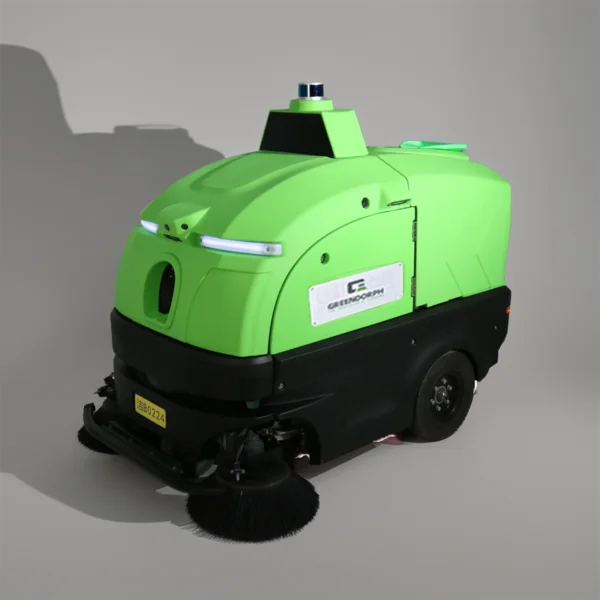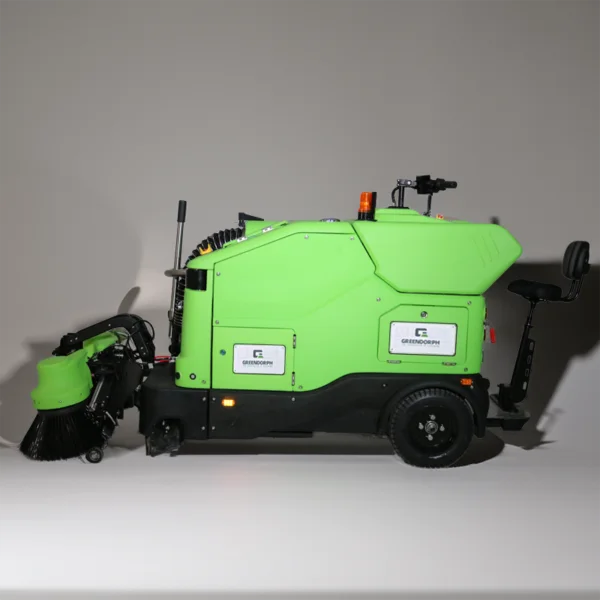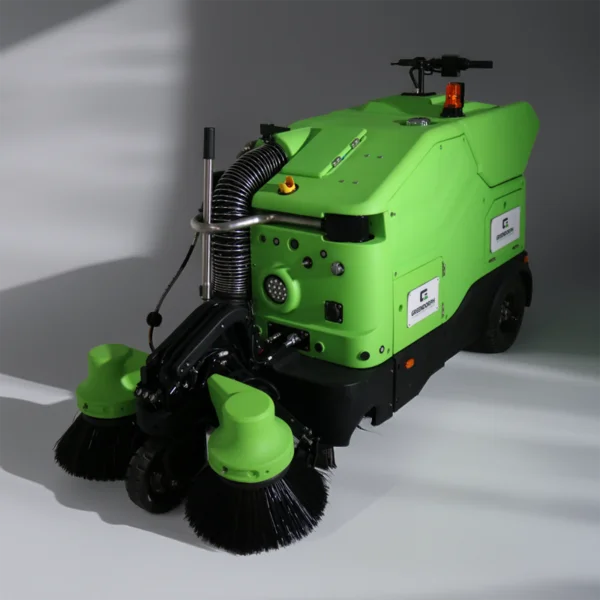
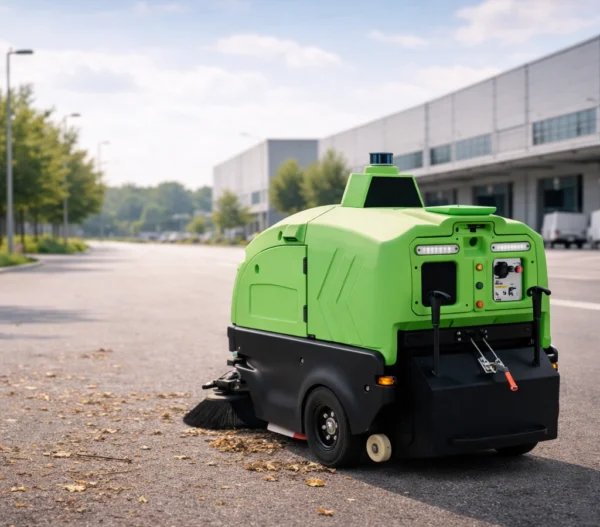
The purchase price is only one part of the cost of operating cleaning equipment. For factories, warehouses, shopping facilities, and transport areas, expenses continue after the machine enters service.
Energy use, labor time, cleaning frequency, consumables, maintenance, and site conditions all influence the real cost. Understanding these factors helps B2B buyers compare equipment by operating needs, not purchase price alone.

Energy Use Changes With the Cleaning Route
Power consumption depends on machine type, working width, motor load, battery capacity, and route length. A short indoor route has a different energy profile from a machine covering a large warehouse several times daily.
Battery-powered units also create charging costs. Buyers should consider working hours per shift and whether one charge can cover the planned route. Frequent charging may increase electricity use and reduce productive time if it interrupts the schedule.
Route design also matters. Repeated passes, unnecessary turning, and recleaning the same area increase running time. A practical route can reduce operating hours without changing the required cleaning frequency.
For this reason, the operating cost of floor cleaning machines should be reviewed together with floor area, route pattern, and cleaning schedule instead of using rated power as the only reference.
Labor Time Often Has a Larger Effect Than Expected
Labor cost is closely related to cleaning speed and operator workload. Wider cleaning paths can reduce the number of passes in open areas, while compact machines may work better in narrow aisles or spaces with frequent obstacles.
The operator also spends time filling clean water, emptying dirty water, checking brushes, moving between zones, and preparing the machine. These tasks add up during daily shifts.
A suitable floor machine cleaner should match the building layout. A machine that is too large can create extra turning and repositioning. One that is too small can increase passes and working hours.
Cleaning managers can estimate labor cost by recording the time needed for one complete route. This gives a practical basis for comparing machine sizes and cleaning methods.
Consumables Depend on Floor Conditions
Brushes, pads, squeegee blades, filters, and cleaning chemicals are recurring expenses. Their replacement rate depends on floor material, dirt level, machine pressure, and daily working time.
Rough surfaces can wear brushes and pads faster than smooth floors. Heavy dust, grease, or debris may also require more frequent cleaning of filters and recovery systems. Sites with demanding conditions should include these parts in annual cost estimates.
Chemical use is another factor. Using more detergent does not always mean better cleaning. Correct dilution and suitable chemical selection can control consumption while reducing residue.
When we discuss operating cost with B2B users at Greendorph, we look at recurring items together with route conditions. This makes the cost discussion more practical than focusing only on the machine itself.
Maintenance Frequency Affects Long-Term Spending
Preventive maintenance can reduce repeated repairs after faults appear. Regular inspection can include brushes, squeegees, hoses, tanks, wheels, electrical connections, and battery condition. For floor cleaning machines used in commercial and industrial environments, routine maintenance is an important part of daily equipment management.
Maintenance cost is also affected by machine accessibility. Components that are easy to inspect and replace can reduce service time. For fleet operators, shorter procedures may reduce downtime across several machines.
Operators should notice early signs such as reduced suction, uneven water pickup, unusual noise, or shorter battery runtime. Early inspection can stop a small issue from developing into a more expensive repair.
Spare-part planning is useful for sites that depend on daily cleaning. Keeping commonly replaced wear parts available can reduce interruptions when a component reaches the end of its service life.
Water Use and Waste Handling Also Matter
Scrubber-type equipment uses clean water and produces dirty recovery water. Tank size, floor condition, and cleaning method influence how often the operator must refill and empty the machine.
Frequent refilling adds labor time and water consumption. However, a larger tank is not automatically more economical because added size can affect maneuverability in smaller areas.
Wastewater handling may require site-specific procedures. Industrial facilities may have internal rules for where recovery water can be discharged. These procedures can add time to each cleaning cycle.
The right balance depends on route length, refill points, drainage access, and the type of contamination being removed.
Site Layout Can Raise or Lower Cost
Open floors are usually easier to clean efficiently than areas filled with shelving, pillars, ramps, doorways, or parked equipment. Obstacles can increase steering, reversing, and route changes.
Floor slope is another consideration. Inclines can increase motor load and battery consumption. Uneven surfaces may reduce cleaning speed and increase wear on certain parts.
Different zones may need different cleaning frequencies. Entrance areas can collect more dirt than internal storage zones, so applying the same schedule everywhere may waste labor and energy.
Before selecting equipment, our team at Greendorph recommends reviewing floor area, aisle width, turning space, dirt type, shift length, and access to charging or refill points. These details help buyers judge whether a floor machine cleaner fits the actual operating environment.
Operating Cost Comes From the Whole Cleaning Process
Operating cost is shaped by more than electricity or replacement parts. Labor hours, route efficiency, consumable wear, maintenance, water use, and site layout all affect the final figure.
B2B buyers can compare options by calculating cost around one full cleaning cycle and extending it across weekly or monthly use. This gives a clearer view of where spending comes from and which equipment characteristics affect daily cleaning operations.