
Cleaning schedules are an important part of maintaining residential buildings, shared facilities, and managed living spaces. A good plan does not only decide when cleaning should happen but also considers area usage, floor conditions, and available equipment. For property service teams and cleaning operators, a reasonable schedule can help arrange daily work and keep different areas under regular care.
Starting with Area Assessment and Cleaning Requirements
Before creating a cleaning schedule, operators need to review the layout and usage of each area. Entrances, corridors, parking areas, and shared spaces usually have higher traffic, so they may require more frequent cleaning compared with low-use areas.
Floor conditions should also be included in the planning process. Dust, footprints, stains, and other marks may appear at different speeds depending on the environment. By checking these factors, teams can decide which areas need daily cleaning and which areas can follow a longer maintenance cycle.
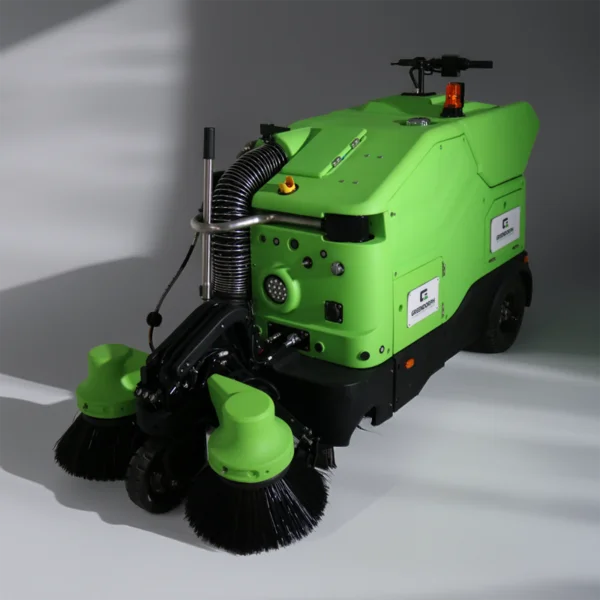
For larger residential spaces, a residential floor scrubber machine can be included in the schedule to handle regular floor cleaning tasks. The planned usage time should match the size of the area and the working conditions to avoid unnecessary delays.
Creating Daily and Periodic Cleaning Plans
A complete cleaning schedule usually includes different levels of tasks. Daily cleaning focuses on areas that receive regular movement, such as building entrances and common walkways. These tasks help remove visible dirt and maintain basic floor conditions.
Weekly or periodic cleaning can focus on areas that need deeper care. For example, some shared spaces may require additional scrubbing to remove accumulated marks that cannot be handled through simple surface cleaning.
When using a residential floor scrubber, operators can arrange machine operation during planned cleaning periods. This helps teams connect equipment usage with specific tasks instead of using the machine without a clear schedule.
Adjusting Cleaning Frequency Based on Traffic Changes
Cleaning frequency should not remain the same throughout the year. Residential areas may experience different traffic levels during holidays, moving seasons, community activities, or special events. These changes can affect how often floors need maintenance.
A flexible schedule allows teams to increase cleaning frequency in busy periods and reduce unnecessary work during quieter times. This approach helps balance cleaning quality with labor arrangements.
Operators can also record cleaning results after each cycle. Notes about high-dirt areas, cleaning time, and floor conditions can provide useful information for adjusting future schedules.
Matching Equipment Use with Team Workflows
Equipment planning is another important part of creating a cleaning schedule. Before assigning tasks, teams should consider machine operating time, charging requirements, water handling, and the size of each cleaning area.
A clear workflow can divide cleaning routes into sections. For example, a team may complete entrance areas first, then move to corridors and shared rooms. This method helps reduce repeated movement and makes daily tasks easier to organize.
Greendorph develops floor cleaning solutions for different working environments and focuses on practical requirements from professional users. Our equipment planning considers factors such as operating efficiency, application conditions, and routine maintenance needs. This allows partners to arrange cleaning processes based on their actual requirements.
Planning Different Schedules for Different Properties
Different residential properties may need different cleaning plans. Apartment buildings with many shared areas may require frequent cleaning, while smaller residential spaces may follow a simpler schedule.
Property managers can create zone-based plans by dividing the building into several cleaning sections. Each section can have its own cleaning frequency based on visitor flow and floor usage. This method makes it easier to track completed tasks and identify areas that need adjustment.
For teams managing multiple locations, a standardized schedule can improve daily coordination. At the same time, local conditions should still be considered because each property may have different cleaning challenges.
Reviewing and Improving the Cleaning Schedule
A cleaning schedule should be reviewed regularly instead of staying unchanged for a long period. Operators can compare planned tasks with actual working results and identify areas where adjustments are needed.
The review process may include checking cleaning times, equipment performance, and feedback from site managers. These details help teams understand whether the current plan matches real operation needs.
Greendorph works with customers who need suitable cleaning approaches for different applications. We provide equipment options that can be considered together with cleaning plans, helping users organize daily floor care based on their own operating conditions.
Building a More Efficient Cleaning Routine
A practical cleaning schedule combines area conditions, cleaning frequency, and equipment usage. By analyzing traffic patterns and arranging tasks in advance, operators can create a clearer workflow for residential floor maintenance.
Using a residential floor scrubber machine as part of a planned routine can help teams manage larger cleaning areas with better organization. The key is not only selecting equipment but also creating a schedule that matches the actual environment.
With regular evaluation and proper planning, cleaning teams can continue improving their processes. A structured schedule helps maintain consistent floor care while making daily operations easier to manage.