Buying automated cleaning equipment for large outdoor areas requires careful communication with manufacturers. For businesses, the key is not only checking product appearance or basic functions but also understanding whether the equipment matches the working environment. Asking the right questions before purchase can help buyers compare different solutions and reduce problems during later operation.
From cleaning methods to maintenance requirements, manufacturers should provide clear information about how their equipment works in real situations. This guide explains the main questions businesses can ask before choosing automated cleaning solutions for parks, campuses, industrial areas, and other outdoor spaces.
What Cleaning Environments Can the Equipment Handle?
The first question buyers should ask is whether the machine is suitable for their specific location. Outdoor cleaning conditions can vary greatly. A park may have leaves and dust, while an industrial campus may require regular removal of different types of debris.
Manufacturers should explain the recommended application areas, surface conditions, and working environments. This helps buyers understand whether the equipment is designed for sidewalks, public spaces, schools, or other outdoor locations.
When evaluating a robot floor cleaner, companies should also ask about its ability to handle different cleaning situations. Factors such as cleaning coverage, movement method, and environmental adaptability can affect daily performance.
How Does the Cleaning System Work?
Understanding the cleaning structure is another important part of supplier communication. Buyers should ask what cleaning methods are included and how different functions work together during operation.
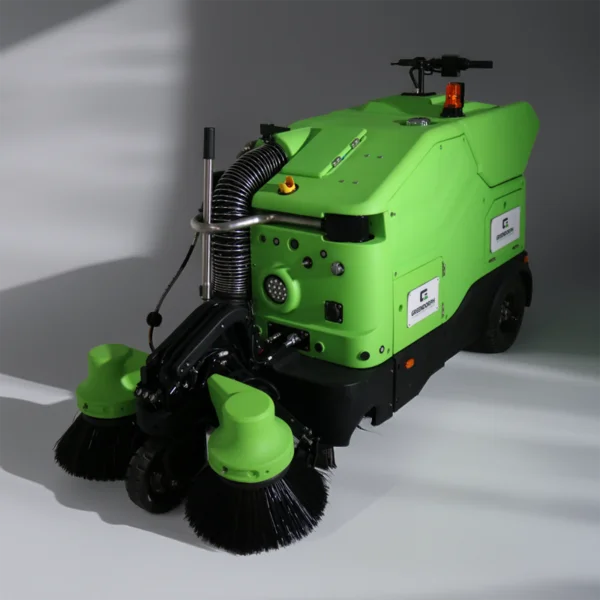
A machine with only one cleaning method may have limitations in some outdoor environments. Questions about suction systems, airflow assistance, brushes, and water spraying functions can help buyers understand how the equipment manages dust and small waste.
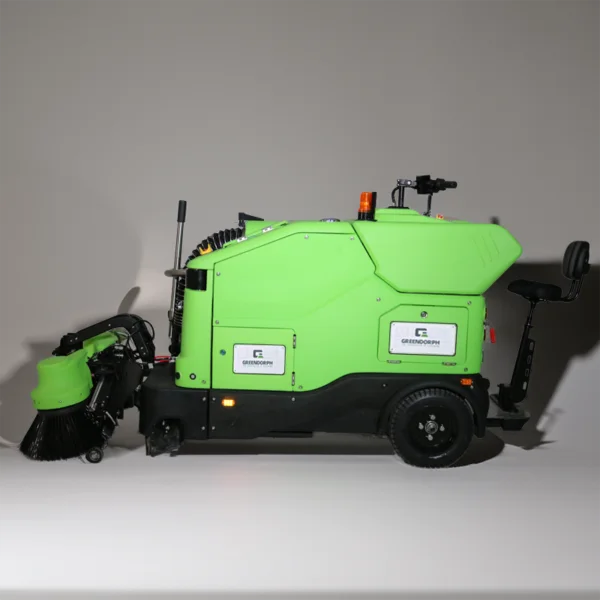
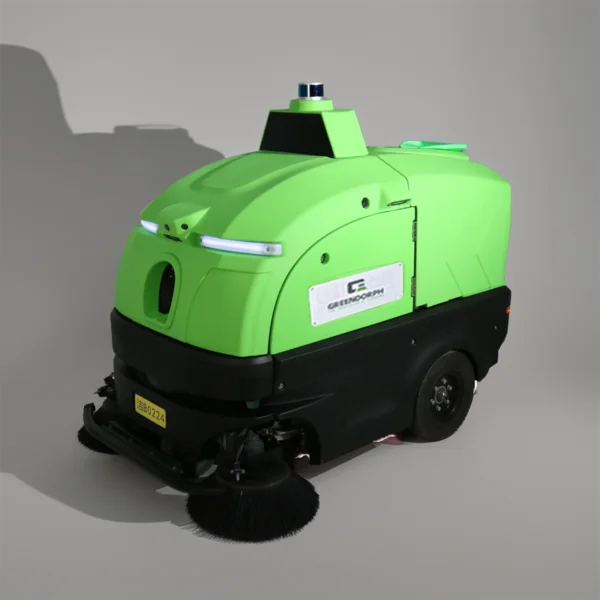
For example, the Auto Sweeper YJ130 uses a primary cleaning system combined with three auxiliary functions: suction, airflow-assist, and misting spray. This design is developed for outdoor sanitation tasks where different cleaning conditions may appear in the same working area.
What Operation Time and Efficiency Data Should Be Checked?
Working time is an important question for businesses managing large cleaning areas. Buyers should confirm how long the equipment can operate before charging and whether this matches their daily cleaning schedule.
The Auto Sweeper YJ130 can operate continuously for 6-8 hours and provides over 95% cleaning efficiency based on the supplied product information. These specifications help buyers estimate whether the equipment can meet the requirements of locations such as parks, industrial campuses, sidewalks, and schools.
Besides operation time, companies should ask manufacturers how efficiency data is measured. A clear explanation of testing conditions allows buyers to better understand the relationship between equipment performance and actual use.
What Maintenance Requirements Should Buyers Know?
Maintenance is another topic that should be discussed before purchase. Automated cleaning equipment still requires regular inspection and care to maintain normal operation.
Buyers can ask about wearing parts, cleaning system checks, charging components, and recommended maintenance schedules. These details help companies prepare operational plans after installation.
When discussing robotic cleaning machines, businesses should also understand technical service arrangements. Information about troubleshooting methods, spare parts availability, and manufacturer communication channels can affect long-term equipment management.
Can the Manufacturer Adapt Solutions for Different Projects?
Different customers may have different cleaning requirements. A large park, an industrial campus, and a school may need different operating plans because of their layout, traffic conditions, and cleaning frequency. Choosing a suitable robot floor cleaner also requires considering these application differences.
Manufacturers should be able to discuss application details instead of only providing standard product information. Buyers can ask whether the equipment configuration can match specific project conditions.
At Greendorph, we communicate with business customers about outdoor cleaning requirements and application environments. Our approach focuses on understanding project conditions first and then discussing suitable equipment options based on practical needs.
How Should Buyers Evaluate Long-Term Cooperation?
The purchasing process does not end after equipment delivery. Businesses should also ask manufacturers about installation guidance, operation instructions, and future technical communication.
A clear cooperation process helps both sides understand responsibilities during different stages of the project. Buyers can review not only product specifications but also the manufacturer’s ability to provide information and service during use.
Choosing suitable robotic cleaning machines requires a complete evaluation of equipment functions, application conditions, and cooperation support. Asking detailed questions before purchase allows businesses to make decisions based on actual requirements rather than simple feature comparisons.
Making Better Decisions Through Detailed Communication
Selecting automated cleaning equipment is a process that requires practical evaluation. By asking manufacturers about application areas, cleaning systems, operation time, maintenance, and project support, buyers can better understand whether a solution fits their needs.
At Greendorph, we continue to work with customers to explore outdoor cleaning requirements and provide equipment information for different applications. Businesses considering the Auto Sweeper YJ130 can discuss their site conditions and cleaning plans with our team before making a purchasing decision. This helps create a clearer understanding of equipment use and project expectations.