Daily cleaning work in large outdoor areas often requires continuous labor input. Parks, campuses, sidewalks, and industrial areas need regular maintenance because dust, leaves, and other debris can appear throughout the day. For cleaning teams, repeating the same routes and operating equipment for long periods can increase workload pressure.
As site areas expand, managers need practical methods to organize cleaning tasks more efficiently. A robot floor cleaner can take over some repetitive cleaning activities and help workers spend more time on supervision, maintenance planning, and other tasks that require human attention.
Why Daily Cleaning Creates Labor Pressure
Outdoor cleaning usually involves many repeated steps. Workers may need to sweep different zones, operate machines, check cleaning results, and return to areas that require additional attention. These tasks are necessary for maintaining public and shared spaces but can consume a large amount of working time.
For locations with large coverage areas, manual cleaning may become difficult to manage during busy periods. A team needs to balance cleaning frequency, available staff, and site conditions. Without suitable equipment, workers may spend too much time completing routine operations.
The pressure often comes from repetition rather than task complexity. Sweeping the same pathways or open spaces every day requires consistency. This is where automation can provide additional support for cleaning management.
Automation Changes the Way Cleaning Tasks Are Managed
Automated cleaning equipment helps change the traditional workflow. Instead of requiring workers to handle every cleaning step manually, machines can complete planned routes and perform regular sweeping tasks.
Robotic floor cleaners are designed to assist with repeated cleaning work. They can help reduce the time employees spend on routine operations, especially in areas that require frequent coverage. Workers can then focus on monitoring conditions and handling tasks that need direct judgment.
For facility operators, automation is not simply about replacing manual work. It is about creating a better division between machine-based tasks and human responsibilities. This approach helps teams manage daily cleaning requirements with a clearer workflow.
How Autonomous Equipment Reduces Repeated Manual Work
One major source of labor pressure is the need for continuous equipment operation. Traditional cleaning methods often require workers to stay involved during each cleaning cycle, which limits the time available for other maintenance activities.
Autonomous equipment can reduce this burden by performing cleaning tasks according to planned operation settings. Workers can spend less time on repetitive sweeping and more time checking site conditions, arranging schedules, and maintaining overall cleanliness.
At Greendorph, we develop outdoor cleaning equipment for different application environments. Our solutions focus on practical operation needs, helping customers manage larger outdoor areas with equipment that combines autonomous functions and cleaning performance.
The Role of Multi-Function Cleaning Systems in Outdoor Areas
Different outdoor environments require different cleaning methods. Parks may have leaves and dust on pathways, while industrial campuses may face larger cleaning areas and changing outdoor conditions. Equipment with multiple cleaning functions can better adapt to these requirements.
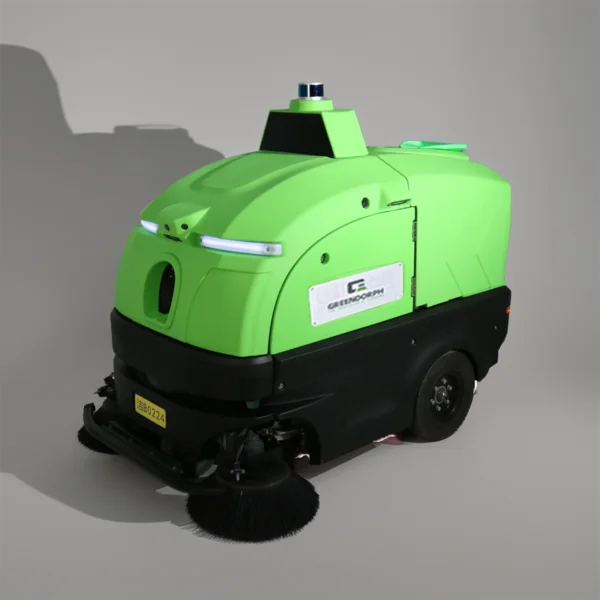
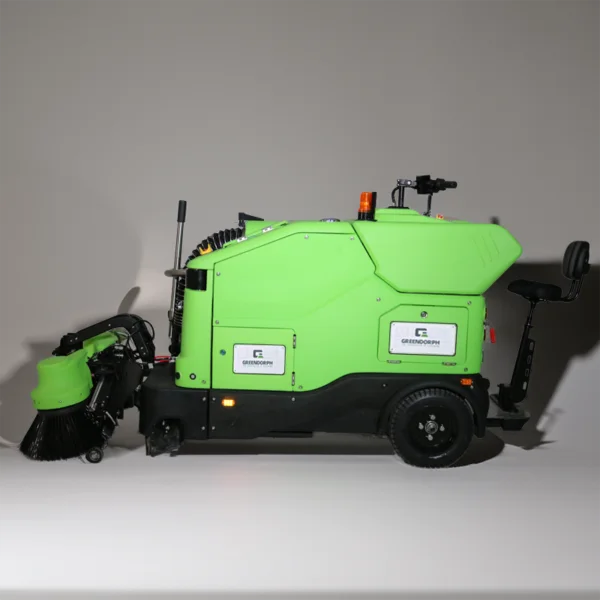
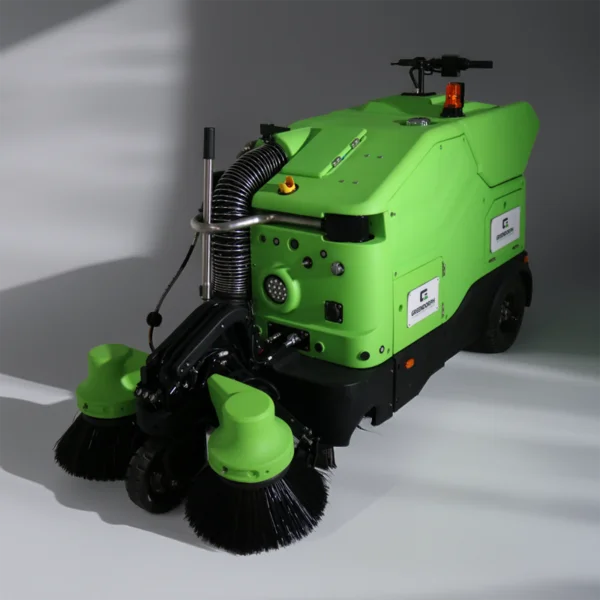
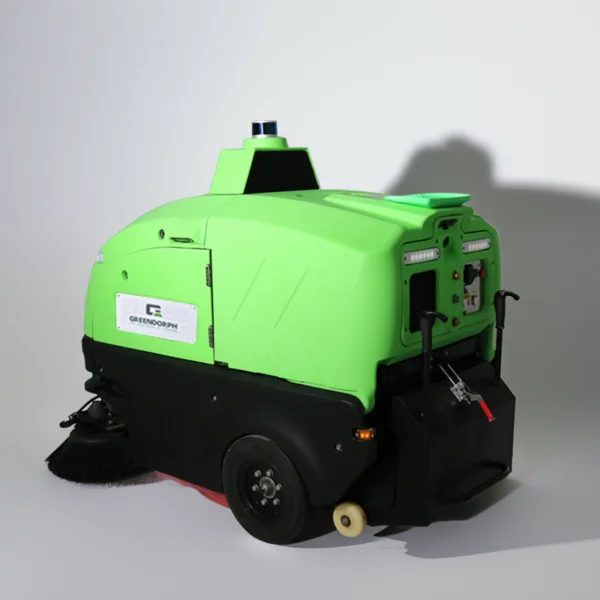
The Auto Sweeper YJ130 is designed as a fully autonomous outdoor sweeper with a primary cleaning system and three auxiliary functions: suction, airflow-assist, and misting spray. It provides over 95% cleaning efficiency and can operate continuously for 6-8 hours.
By handling regular sweeping tasks in parks, industrial campuses, sidewalks, schools, and similar environments, the equipment can reduce the need for workers to repeatedly operate cleaning machines. This allows cleaning teams to arrange their daily tasks more effectively.
How Businesses Can Improve Cleaning Workforce Planning
Reducing labor pressure requires more than introducing automated equipment. Managers also need to consider cleaning routes, operation schedules, and maintenance procedures. A suitable plan allows machines and workers to work together.
With a robot floor cleaner, teams can assign more attention to inspection and problem areas instead of spending most of their time on repeated cleaning routes. This helps improve the way labor resources are arranged in daily operations.
However, automation should match the actual working environment. Factors such as area size, surface conditions, and cleaning requirements should be reviewed before selecting equipment. A clear plan helps organizations gain practical value from automation.
Creating a More Balanced Cleaning Workflow
Modern cleaning management focuses on improving the connection between equipment and human work. Automated machines can handle regular tasks, while workers continue to manage quality checks and unexpected situations.
The use of robotic floor cleaners provides another option for organizations that need stable cleaning routines across larger spaces. When equipment functions match site needs, teams can reduce repeated workload and create a more organized maintenance process.
Greendorph continues to develop cleaning solutions that support different outdoor applications. By combining autonomous operation with practical cleaning functions, we help customers explore more efficient ways to manage daily sanitation work.
A Practical Way to Reduce Daily Cleaning Challenges
Labor pressure in outdoor cleaning often comes from repeated tasks, large working areas, and the need for consistent results. Automation provides a practical method to reduce these challenges by allowing machines to handle planned cleaning activities.
When organizations select equipment based on real application needs, automated cleaning can become part of a balanced maintenance strategy. It supports workers, improves workflow planning, and helps create a more manageable approach to daily outdoor cleaning.