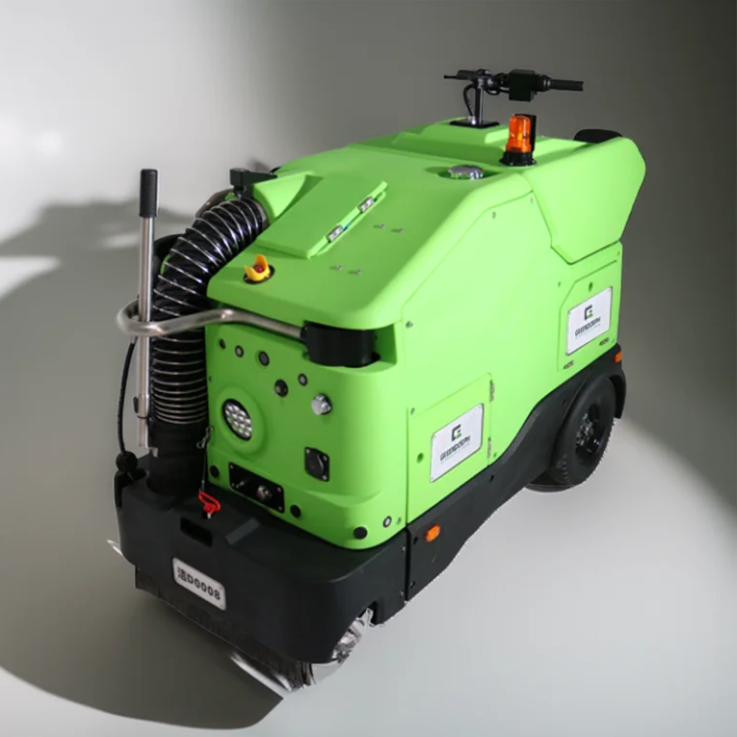
Urban cleaning routes rarely stay uniform from start to finish. One shift may include wide roads, narrow side streets, public squares, curb edges, pedestrian zones, and dusty sections. Choosing a street vacuum for this work requires more than checking suction power. Fleet managers should also compare runtime, maneuverability, cleaning width, dust control, and how well the machine adapts to different surfaces.
For municipal contractors and facility operators, route diversity affects daily productivity. A machine that works well on an open avenue may become less practical in a narrow path or crowded public area. We therefore look at the full operating cycle, from route access and debris type to charging, water use, noise, and maintenance.
Start With the Route, Not the Machine
The first step is to divide the route by working condition. Wide streets may favor faster movement, while alleys and curb areas need tighter turning and more precise edge cleaning. Public squares may contain benches, trees, planters, and temporary obstacles. These differences affect how often operators slow down, change direction, or adjust cleaning functions.
Surface condition matters as well. Fine dust, dry leaves, sand, small litter, and damp residue behave differently during collection. Vacuum performance should therefore be considered together with brush design and airflow. Equipment that handles several debris types can reduce the need to assign separate machines to short sections of one route.
Route timing also deserves attention. Early-morning residential cleaning can place more value on low noise, while daytime work in public areas requires careful movement around people and parked vehicles. Electric drive systems can support quieter operation and reduce direct exhaust emissions during cleaning.
Match Capacity to Daily Workload
Runtime should be measured against the planned shift rather than treated as an isolated figure. Travel between work zones, repeated turning, suction demand, brush operation, and auxiliary functions all influence productive time. Charging arrangements should also fit the depot schedule and the distance between the route and service point.
Water and waste capacity affect route continuity in a similar way. Repeated stops for refilling or unloading can reduce useful working time even when cleaning speed is high. Fleet planners should estimate how much material is normally collected and how often a machine can return to a service location without disrupting the schedule.
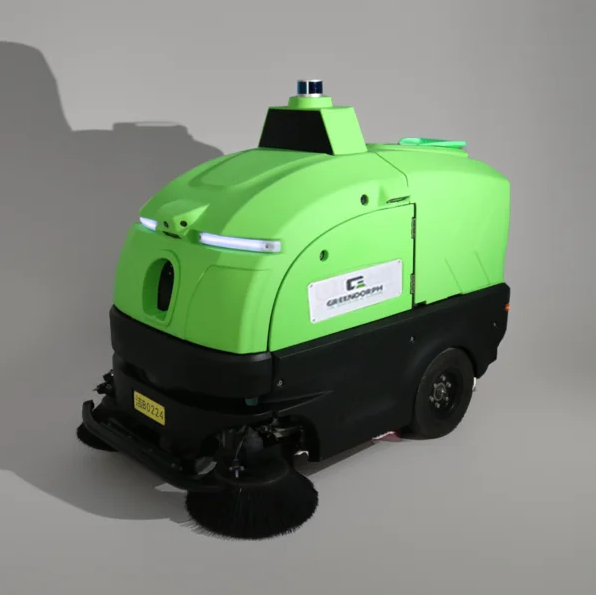
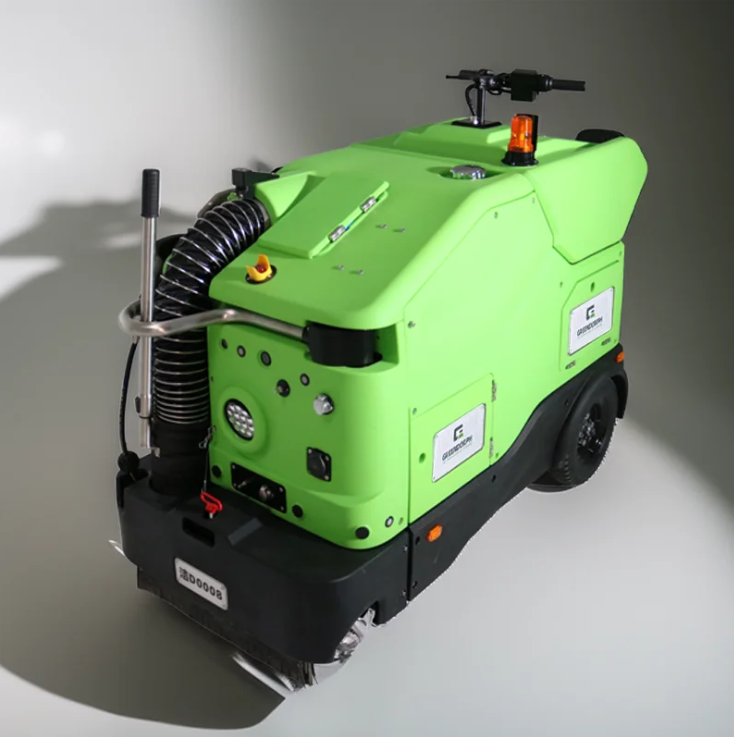
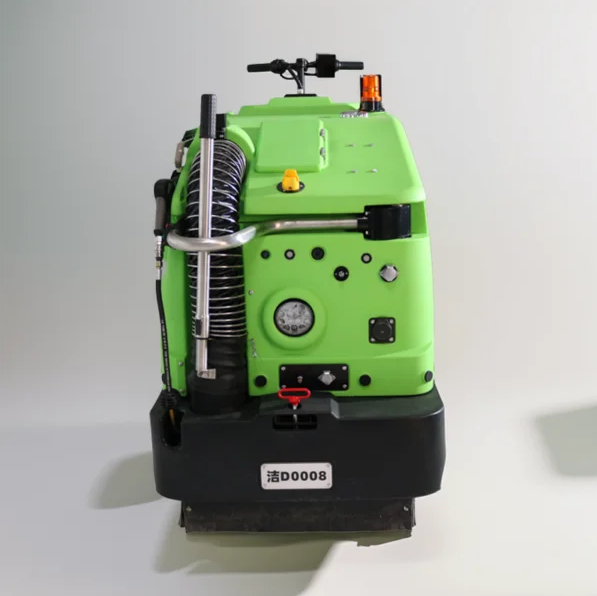
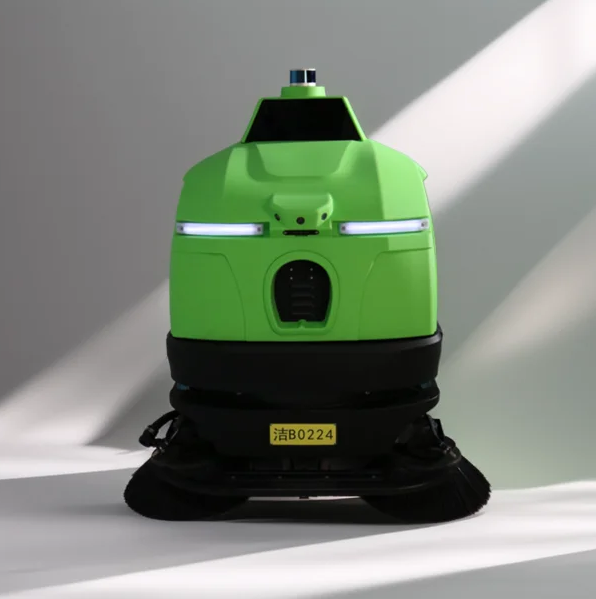
At Greendorph, we use the YJ80 Vacuum Street Sweeper as one option for mixed urban work. It uses a high-performance negative-pressure suction system and a fully electric drive. The unit can operate for up to 8 hours per charge, produces zero CO₂ emissions during operation, and has no hydraulic circuits to maintain.
For teams comparing a street sweeper vacuum, these details should be linked to route length and service frequency. Runtime has value when the machine can also reach required areas, move efficiently, and handle expected debris without creating extra manual work.
Maneuverability Shapes Real Coverage
Mixed routes often contain transitions that are easy to overlook during purchasing. A machine may leave a broad road and enter a narrow lane within minutes. It may also need to work around curb corners, tree pits, loading bays, and roadside furniture. Vehicle dimensions and turning behavior can therefore affect real cleaning coverage.
Edge work is another common source of lost time. Debris often gathers beside curbs, walls, and road boundaries where larger equipment may leave untreated strips. Buyers should examine brush reach and how closely the machine can work beside fixed objects. This can reduce secondary cleaning with hand tools after the main pass.
Obstacle awareness also matters in urban spaces. Operators may meet cyclists, pedestrians, temporary barriers, delivery vehicles, or construction materials. A practical machine should support controlled movement in changing conditions instead of being judged only by open-road productivity.
Review Dust Control and Service Needs
Dust control should be evaluated under actual route conditions. Dry roads can create fine airborne particles, while damp surfaces may produce heavier residue. Suction performance, airflow stability, brush action, and water use should work together so collected material stays controlled during operation.
Maintenance access can influence fleet availability over time. Daily cleaning, filter inspection, brush checks, and routine component service should be easy to organize. Simpler mechanical layouts can reduce the number of systems technicians need to inspect. The YJ80 avoids hydraulic circuits, which can simplify part of the routine service process.
At the same time, a street sweeper vacuum should match the skills of the local maintenance team. Fleet managers should review service intervals, wear parts, charging procedures, and cleaning steps before deployment. This helps prevent support problems after the machine enters regular use.
Base the Final Choice on Route Data
A sound purchasing decision comes from matching equipment to the route rather than selecting by one headline specification. We recommend reviewing route width, debris type, daily distance, stopping frequency, noise limits, water access, charging needs, and maintenance capacity together. A field test on representative streets can reveal practical issues that a specification sheet may not show.
For mixed urban routes, Greendorph focuses on combining electric operation, suction cleaning, and practical shift duration in one platform. The right street vacuum should reduce unnecessary route changes, manual follow-up, and service interruptions while remaining practical for daily crews. When buyers compare machines against real route data, the final choice becomes easier to justify and manage after deployment.