Outdoor cleaning equipment is moving from manually driven machines toward connected and autonomous systems. That change affects more than cleaning performance. We also need to consider machinery safety, electrical systems, batteries, wireless communication, data handling, noise, and local operating rules. For a B2B buyer evaluating an outdoor robot cleaner, regulation should be reviewed before procurement, site deployment, and fleet expansion.
Regulatory requirements differ by market. A machine accepted in one country may need different documentation, testing, labeling, or radio approval elsewhere. We recommend checking these differences early because they can affect importing, commissioning, and operation.
Where Machinery Rules Meet Autonomous Movement
An autonomous sweeper moves around pedestrians, curbs, walls, vehicles, and fixed objects. Machinery rules therefore focus on risk assessment, protective design, stopping functions, instructions, and foreseeable misuse. We recommend asking suppliers for compliance documents that apply to the destination market instead of relying only on a brochure.
For the European Union, machinery placed on the market before January 20, 2027 must comply with Machinery Directive 2006/42/EC. Regulation (EU) 2023/1230 becomes mandatory from January 20, 2027. The new framework also gives greater attention to software-related safety and safety functions supported by advanced digital technologies.
This matters when an outdoor floor sweeper uses autonomous navigation, electronic control, or remote functions. At Greendorph, we treat compliance review as part of deployment planning rather than a final paperwork step. Buyers should verify the legal framework for the planned placing-on-market date and check that declarations, instructions, and safety information match it.
Power Systems and Radio Functions Add Another Layer
Electric sweepers combine traction systems, charging equipment, batteries, controllers, and sensors. Depending on the market and product design, different electrical safety and electromagnetic compatibility requirements may apply. We therefore look at the complete machine instead of treating the battery or charger as a separate afterthought.
Connected equipment adds another layer. In the EU, radio-enabled products can fall under the Radio Equipment Directive 2014/53/EU. It covers health and safety, electromagnetic compatibility, and efficient use of radio spectrum. Machines using wireless communication for remote control, monitoring, or cloud functions should be checked against applicable requirements.
Battery compliance is also becoming more structured. EU Regulation 2023/1542 introduces sustainability, safety, labeling, information, and conformity requirements for batteries. The exact obligations depend on battery category, capacity, and placing-on-market conditions, so we advise buyers to request battery documentation that matches the purchased machine configuration.
Public-Space Rules Extend Beyond the Machine
Product compliance does not automatically mean a robot can operate in every location. Parks, schools, industrial campuses, sidewalks, and municipal areas can have separate rules for access, working hours, pedestrian management, noise, water use, or waste handling. Site owners may also require internal risk assessments before autonomous equipment begins routine operation.
Noise deserves particular attention in mixed-use areas. Local limits can vary by time and location, and some markets regulate certain categories of outdoor equipment. We recommend planning cleaning schedules around both machine characteristics and site restrictions, especially near classrooms, offices, residences, or public gathering areas.
Cameras and connected platforms can raise data questions as well. If a system records, stores, or transmits identifiable images or other personal information, the operator may need privacy controls, access rules, retention policies, and cybersecurity measures. Remote fleet functions should also be reviewed as part of the organization’s IT risk process.
What YJ130 Shows About Compliance Planning
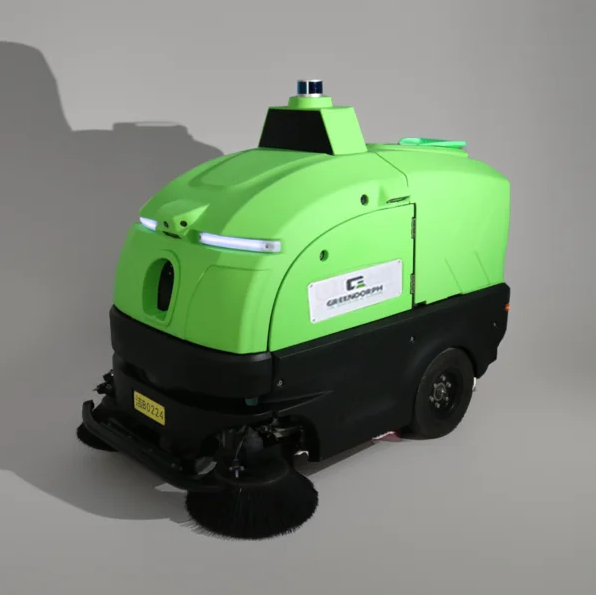
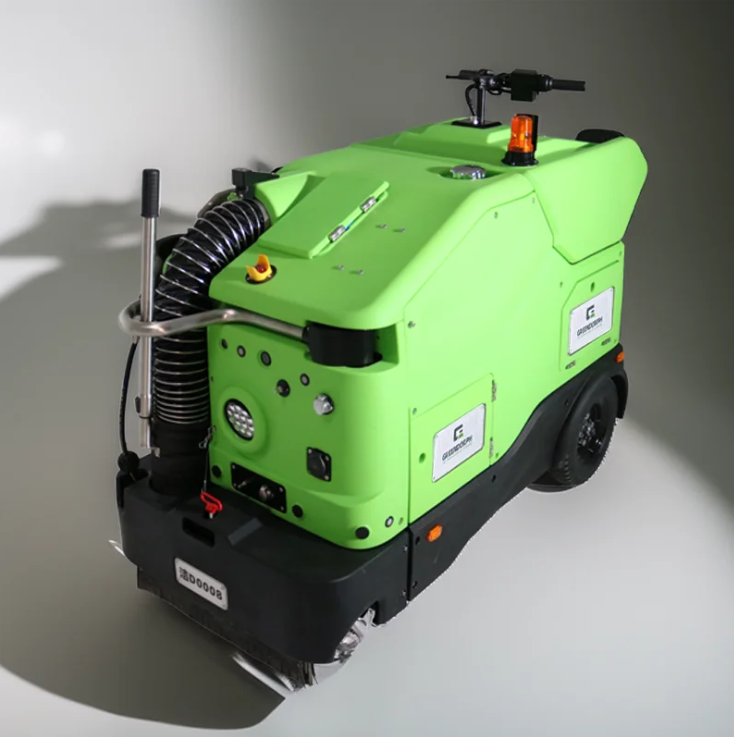
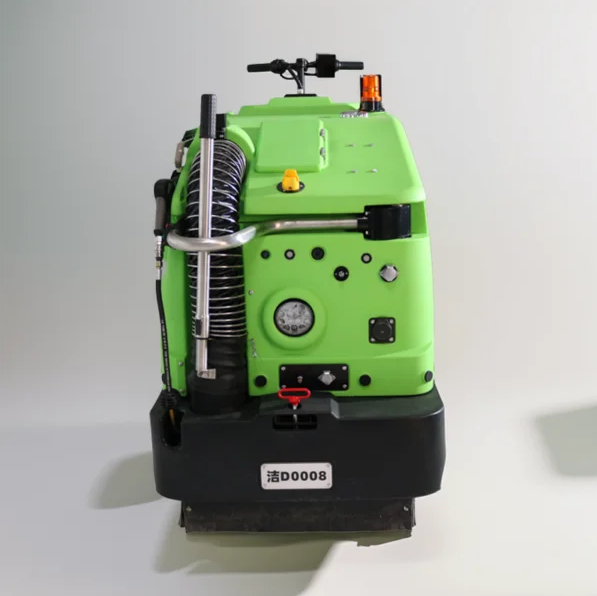
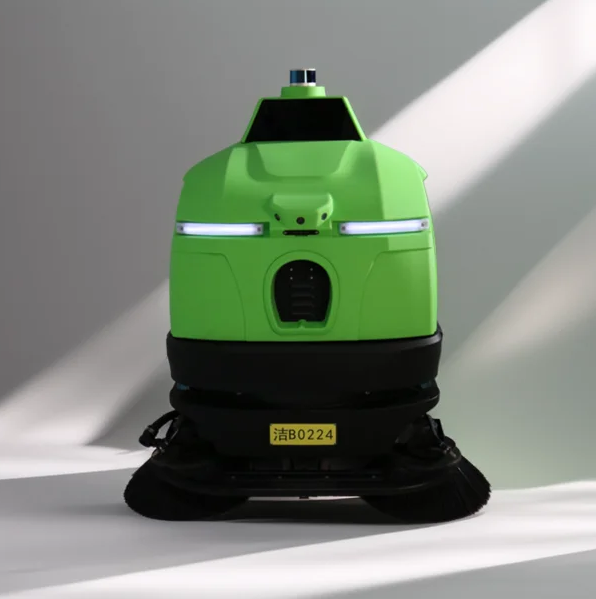
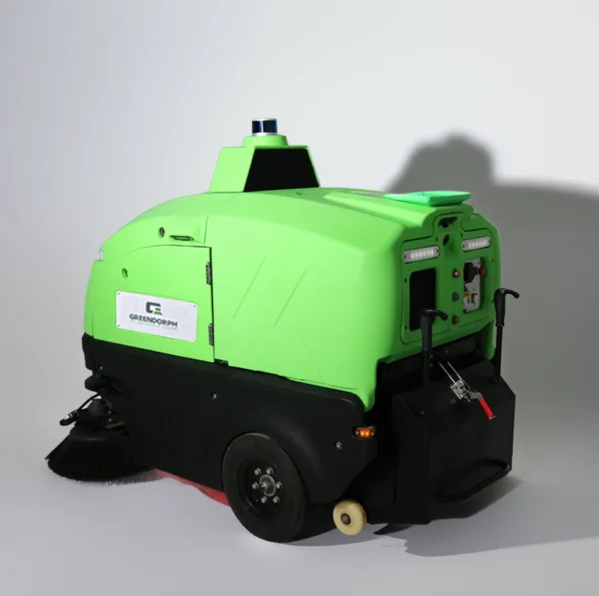
Our Auto Sweeper YJ130 is designed for autonomous cleaning across large outdoor areas such as parks, industrial campuses, sidewalks, and schools. Its cleaning system combines sweeping with suction, airflow-assist, and misting spray functions. The machine provides more than 95% cleaning efficiency under the stated product conditions and supports 6–8 hours of continuous operation.
For buyers comparing an outdoor robot cleaner, these specifications should still be considered together with local rules. Runtime affects charging planning, while autonomous movement affects site risk assessment. Spray functions may also require attention to water use or cleaning-agent policies at the facility.
The same principle applies across regions. We suggest matching the machine configuration with destination-market documentation, charging conditions, site access rules, and operating procedures before deployment. This makes technical comparison more useful than reviewing cleaning capacity alone.
Documents to Review Before Deployment
Before ordering an outdoor floor sweeper, buyers should identify the destination country and exact operating environment. They should then request applicable declarations, test reports, user instructions, battery information, radio documentation where relevant, and maintenance guidance.
Importers and distributors should confirm their own legal responsibilities in the target market. We also recommend checking whether local authorities, property managers, or facility owners require separate permits, route restrictions, or operating-hour controls.
A site assessment should follow. Teams can map pedestrian routes, narrow passages, charging areas, restricted zones, slopes, curbs, and cleaning schedules. Procedures should also cover abnormal stops, service work, communication loss, and access control. These steps connect regulatory paperwork with daily operating conditions.
Compliance Starts Before the First Cleaning Route
Regulations are easier to manage when they are considered at the start of a cleaning automation project. Machinery safety, battery requirements, wireless functions, local site rules, privacy, and operating procedures all influence whether a system fits a particular B2B application.
At Greendorph, we use this project-based view when discussing autonomous cleaning equipment with customers. A compliant deployment is not based on one certificate alone. It comes from matching the machine, documentation, site conditions, operating procedures, and destination-market requirements before routine service begins.