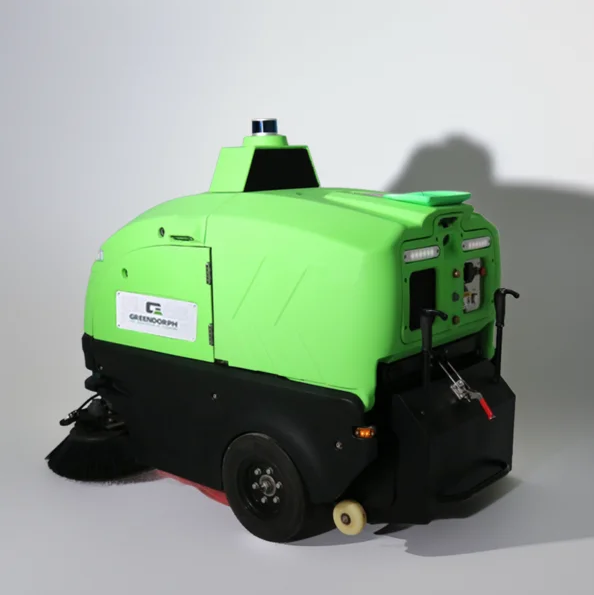
Outdoor cleaning can create several safety risks when staff work near moving vehicles, narrow sidewalks, curbs, wet surfaces, or areas with changing pedestrian flow. Repetitive sweeping also keeps workers close to dust, debris, and traffic for long periods. We examine how autonomous cleaning can reduce workers’ exposure to routine outdoor cleaning hazards, including vehicle movements, pedestrian traffic, and repetitive manual sweeping tasks.
The key point is not that automation removes every hazard. It changes how people interact with the cleaning task. A well-planned automated sweeper can take over repetitive movement, while staff focus more on supervision, route planning, exception handling, and site coordination.
Where Cleaning Accidents Usually Begin
Many outdoor incidents start with repeated manual movement through active spaces. Workers may push equipment beside roads, cross vehicle entrances, or clean close to loading zones. These situations become harder when visibility changes, pedestrian numbers increase, or the cleaning route includes corners and narrow edges.
Fatigue is another factor. Long shifts can reduce attention during repetitive work. A robot floor cleaner changes this pattern by taking over continuous sweeping on planned routes. This can reduce the time that employees spend walking beside moving machinery or working close to traffic.
Risk control still depends on site planning. Before deployment, operators should review slopes, crossings, drainage areas, curb conditions, pedestrian zones, and temporary obstacles. Automation works more safely when the route is designed around real site conditions rather than treated as a fixed path on a map.
How Autonomous Operation Changes Worker Exposure
The strongest safety benefit comes from separating people from repetitive cleaning movement. Instead of assigning a worker to drive or push a sweeper through the full route, the site can use autonomous operation for routine sections and keep staff available for inspection and intervention.
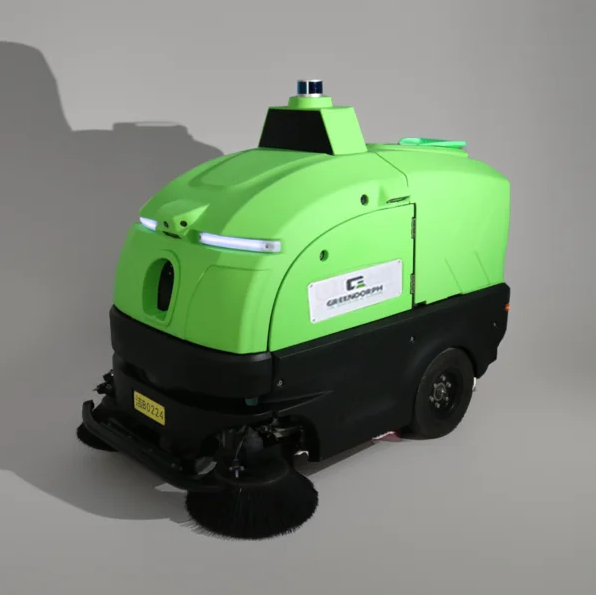
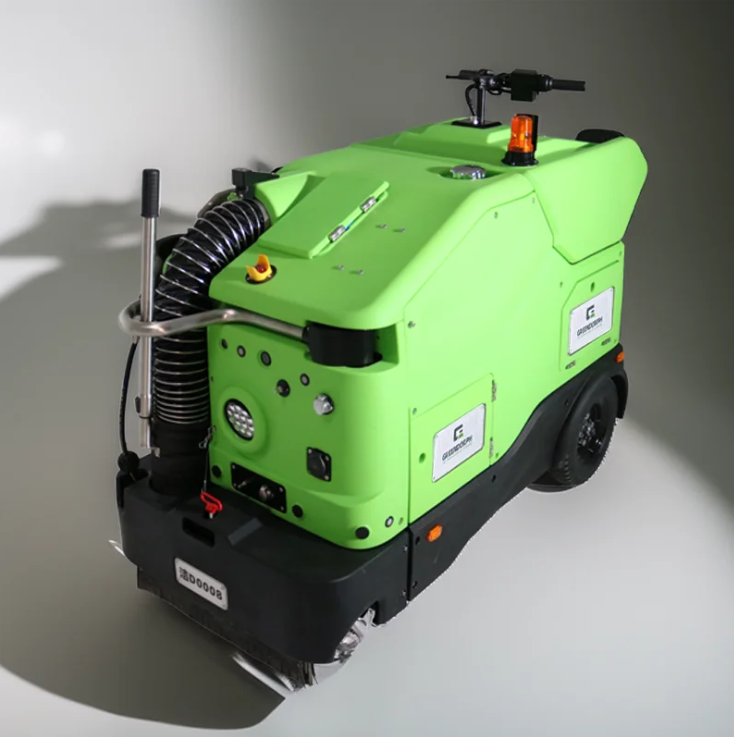
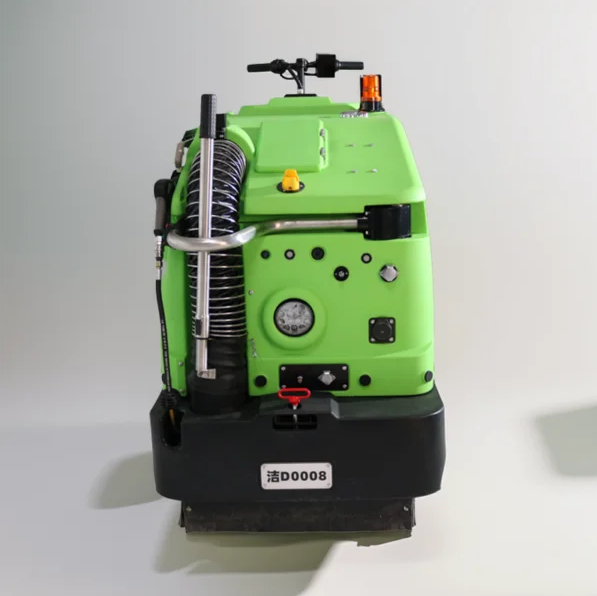
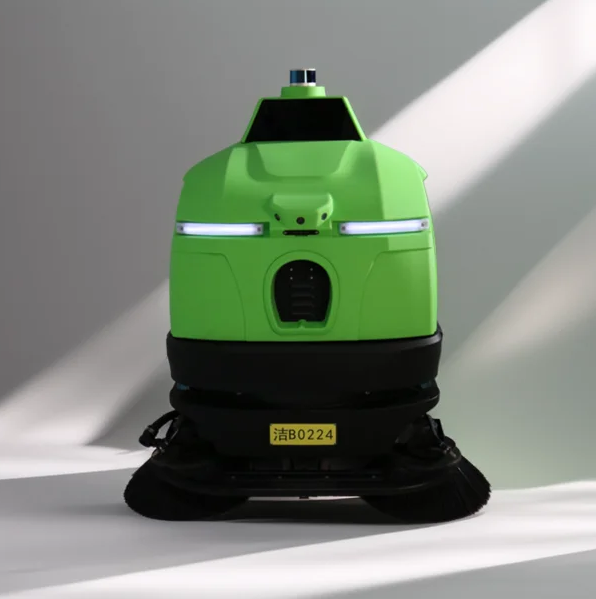
For this type of task, Greendorph Auto Sweeper YJ130 is designed as a fully autonomous outdoor sweeper. Its main cleaning system is supported by suction, airflow-assist, and misting spray functions. The machine can operate for 6–8 hours, which makes it suitable for large outdoor areas such as parks, industrial campuses, sidewalks, and schools.
The value of this arrangement is operational rather than promotional. Staff do not need to stay beside the machine during the full cleaning cycle. That can reduce direct exposure to dust, moving equipment, and repeated crossings, while still keeping human supervision available when the environment changes.
Sensing and Route Control Matter in Busy Areas
Autonomous movement needs more than a planned route. The machine must also detect what is happening around it. YJ130 uses a multi-sensor system that includes multi-line lidar, single-line lidar, 3D cameras, ultrasonic sensing, and collision sensors as an additional layer of protection.
The 3D camera supports spatial obstacle detection and can also identify low obstacles in front of the machine. This is useful in areas where small objects, curb edges, temporary materials, or changes in ground height can appear during a cleaning shift.
The system also supports different sensing ranges, including long-range, medium-range, and close-range detection. In practical terms, this gives the machine more information before it reaches an obstacle. For a site manager, that means the cleaning route can be monitored with fewer direct manual corrections.
A second autonomous floor cleaning robot benefit is consistent route behavior. Human operators may vary their path from shift to shift. Automated routing can keep the machine inside a defined work area, provided that the map and task settings are prepared correctly.
What Happens When the Task Is Interrupted
Safety planning should also cover interruptions. Outdoor machines may need to stop for charging, water refill, or waste-bin emptying. If work resumes without clear route memory, staff may repeat sections, miss areas, or manually reposition the machine in active zones.
YJ130 includes breakpoint resume. When the task pauses, the system records cleaning progress and continues from the interruption point after normal operation is restored. This reduces unnecessary movement and helps keep the work sequence more predictable.
The same principle applies if positioning is lost. The machine pauses the task and attempts to recover its position automatically. If recovery does not succeed, the system can upload an abnormal alert to the platform, allowing remote maintenance staff to assist with positioning recovery.
For B2B users, these functions matter because safety is linked to process control. A robot floor cleaner should not be evaluated only by sweeping speed or cleaning appearance. Buyers should also review how the machine behaves when conditions change, how it reports faults, and how easily staff can take over.
A Safer Cleaning Process Still Needs Clear Rules
Automation works better when the site keeps clear operating rules. Pedestrian crossings, loading periods, construction zones, and temporary storage areas should be included in daily planning. At Greendorph, we position YJ130 for large-area outdoor sanitation, with more than 95% stated cleaning efficiency and autonomous functions intended to reduce routine manual involvement.
Autonomous cleaning can support safer outdoor maintenance by reducing repetitive manual exposure, improving route consistency, and helping operators respond to obstacles. These benefits still depend on suitable site planning, supervision, and safe operating procedures. Automation can support these steps, but site assessment, staff training, task boundaries, and operating discipline remain important parts of a safer cleaning process. That distinction matters for large, mixed-use outdoor sites.