Street cleaning conditions change through the year, so one fixed routine rarely works equally well in every season. Dust, fallen leaves, rainfall, temperature, and pedestrian activity all affect route planning, cleaning frequency, water use, and tool choice. Seasonal adjustment means matching the cleaning method to the material on the road instead of repeating the same process every day.
For B2B operators, this approach can reduce repeated passes and make daily work easier to organize. A machine may face dry dust in summer, wet debris during rainy periods, and heavier leaf loads in autumn. We therefore review surface conditions first, then adjust speed, cleaning mode, water use, and route order around the actual workload. This makes seasonal planning a practical management issue, not just a change in cleaning frequency.
Spring Routes Need More Flexible Cleaning
Spring often brings mixed residue from earlier wet or cold periods. Sand, light litter, small branches, and dust can collect on the same route. We recommend inspecting main roads, sidewalks, parks, and public squares separately because each area can require a different cleaning speed and different tool combination.
Water use also needs adjustment. Light dust may respond well to spray or mist, while heavier material may need suction or targeted pickup first. Too much water can move debris toward curbs or drains instead of removing it. Crews should match water output to the surface and the type of residue present.
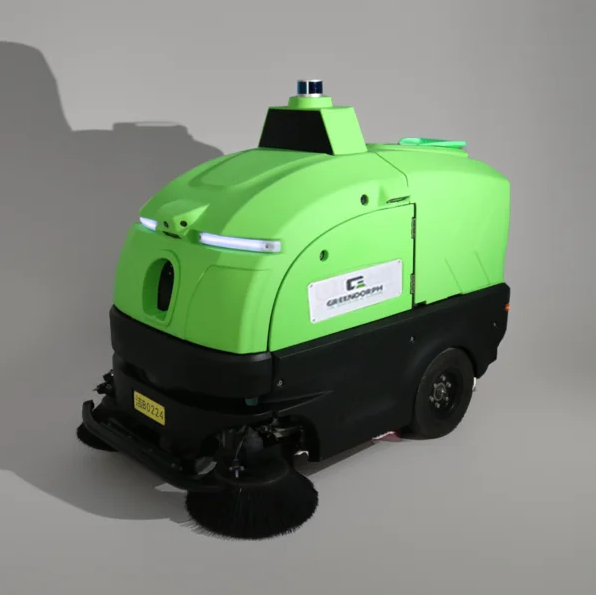
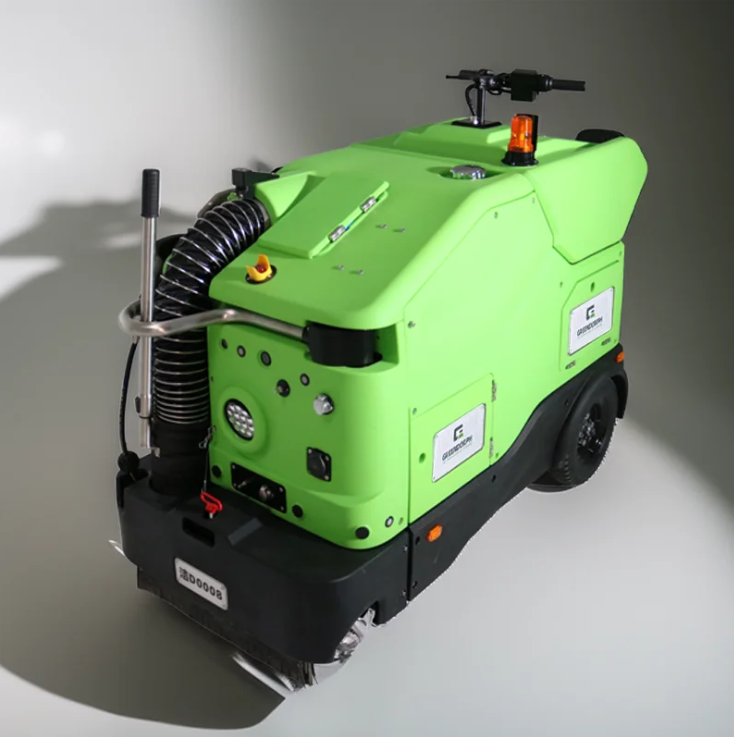
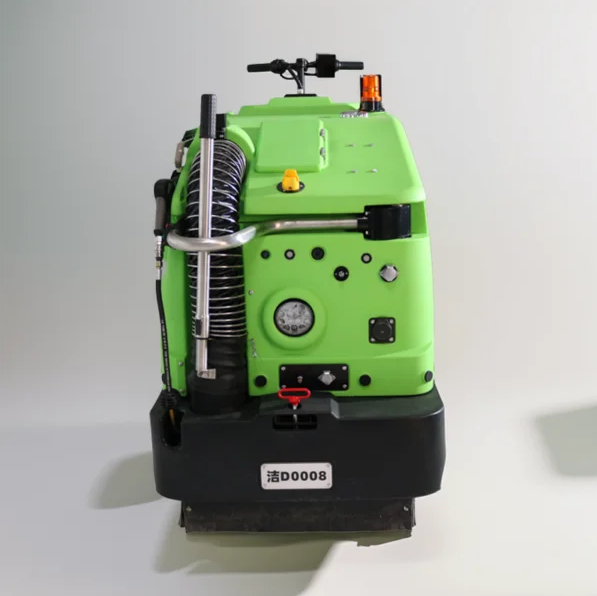
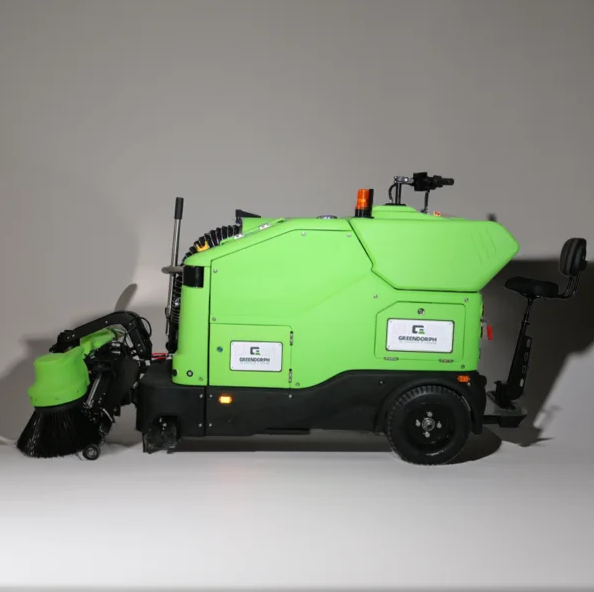
This is where multi-function equipment can support a flexible workflow. Our Omniclean Urban Street Sweeper YJ80 offers manual ride-on, auto-follow, and towed traction modes. Its cleaning functions combine vacuum collection, high-pressure flushing, water-spray cleaning, turbine blowing, targeted tube collection, and dust-suppression misting. Greendorph uses this layout to help crews switch methods when one route contains several cleaning demands.
Summer Work Puts More Focus on Dust
Dry weather can increase loose dust, especially on roads with frequent traffic or nearby construction activity. During these periods, we place more attention on dust suppression, route timing, and water planning. Early morning or lower-traffic periods can also make cleaning easier in busy commercial and public areas.
A street cleaning sweeper should not depend on spraying alone in dry conditions. Water can control loose particles, but suction and sweeping are still useful for heavier material. We prefer to combine methods according to the surface so crews do not simply push dust from one section of the road to another.
Hot weather also changes route management. Longer shifts may require planned checks for water level, waste capacity, and operator condition. Refill points and traffic patterns should be considered before work starts. A clear route plan can prevent unnecessary travel and keep the cleaning sequence practical when temperatures rise.
Rainy and Autumn Conditions Change Debris Behavior
Rain makes paper, soil, leaves, and fine particles heavier. These materials often collect around curbs, drains, and low points. We recommend reducing speed on slippery or waterlogged surfaces and giving drainage edges more attention because mixed debris can build up there after rainfall.
Crews should also reconsider flushing when the road is already wet. Adding more water may offer little value in some sections. Vacuuming, sweeping, or targeted tube collection can be more suitable where wet debris has gathered. The goal is to remove material from the surface rather than move it farther along the curb.
Autumn creates another challenge because leaf volume can increase quickly. Dry leaves spread across open areas, while wet leaves can compact near edges. We divide routes by debris density and handle high-volume sections earlier. The YJ80 can support this mixed approach through its different cleaning functions, while crews still select the mode that matches each part of the route.
Winter Planning Depends on Surface Conditions
Cold-weather cleaning varies by region, but lower temperatures still affect daily scheduling. Wet areas may remain slippery for longer, and road residue can gather near traffic lanes, entrances, and loading zones. Before using water-based cleaning, we check the surface and consider whether dry collection methods are more suitable.
A seasonal street sweeper workflow should also allow route changes during the shift. Sudden weather, new debris, or heavier traffic can make the original sequence less practical. Shorter inspection intervals help crews decide whether to return to a problem area, postpone a lower-priority section, or change cleaning methods.
We also look at waste volume and refill timing. A route that works in dry weather may become inefficient when wet debris or seasonal residue fills collection space faster. Greendorph treats route design as an operating task that should respond to current site conditions rather than remain fixed throughout the year.
Keeping Seasonal Cleaning Practical
Seasonal adjustment works when it starts with visible road conditions. Spring may bring mixed residue, summer more dust, rainy periods heavier material, and autumn larger leaf volume. Winter adds surface and timing concerns. Each change affects how crews plan routes, choose cleaning functions, and decide when water should be used.
For B2B operators, the practical goal is a workflow that can change without becoming complicated. We inspect the site, identify the main debris type, choose suitable cleaning methods, and revise the route when conditions shift. This keeps seasonal cleaning focused on real operating needs and helps crews use one cleaning plan more intelligently across the year.