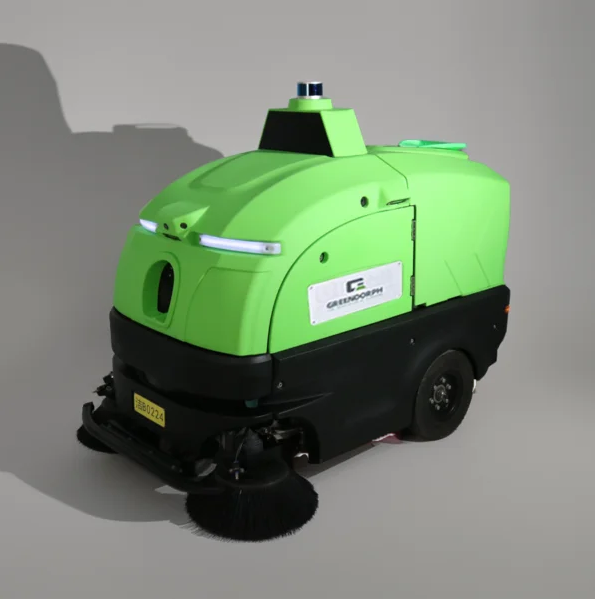
Large outdoor sites have changing cleaning needs. Leaves collect along tree-lined paths, delivery routes accumulate loose debris, and pedestrian areas may need several passes each day. For facility managers, the challenge is keeping coverage predictable as route conditions change. Site teams need schedules that withstand these everyday variations.
Traditional schedules often tie sweeping to the availability of an operator. When shifts change or urgent maintenance arises, routine paths may be delayed. Using a street sweeper with route-based operation can reduce dependence on manual driving. Supervisors can plan cleaning around demand instead of driving time. This approach also clarifies which duties still need people on site.
Why Route Independence Matters to Facility Managers
Mapped jobs can run without someone steering every turn. Managers still choose the cleaning areas, review site restrictions, and maintain equipment. The machine handles repeated travel along approved paths, freeing staff for litter removal, inspections, or unusual cleaning requests. Employees can address exceptional work instead of repeating the same circuit.
Repeatability matters too. The planned route shows where the machine should travel and which sections need service. Teams can then review coverage and identify areas needing different cleaning frequencies. Daily records distinguish incomplete routes from areas excluded for scheduled maintenance.
Outdoor access is rarely constant. Delivery vehicles may stop beside a road, pedestrians may gather near entrances, and temporary barriers may appear during maintenance. Plans need to account for blocked paths and interruptions.
For buyers, these conditions define useful acceptance tests. They can observe whether the machine completes a known route, how it responds to a blocked passage, and what happens after an interruption. Such observations reveal more than travel speed alone. Normal working hours may expose problems that a quiet trial misses.
How the Robot Responds to Real Obstacles
Our development at Greendorph focuses on outdoor navigation as a practical cleaning requirement. Roadside edges, squares, and campus paths bring different obstacles. Performance needs checking along the actual route. This matters where broad paths narrow near gates or building entrances.
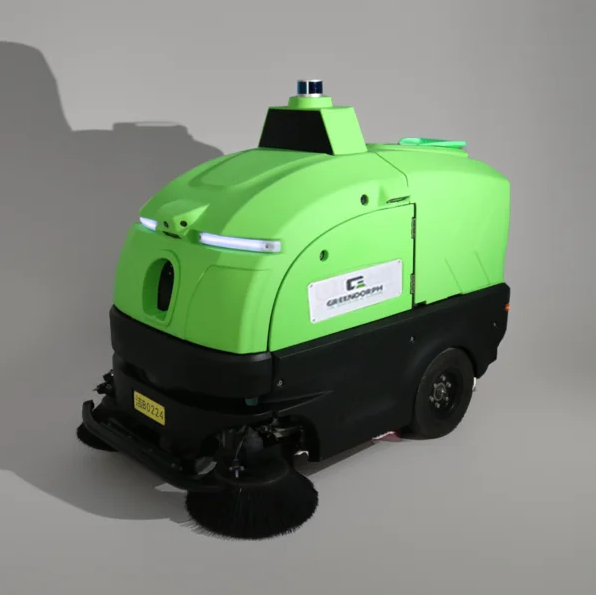
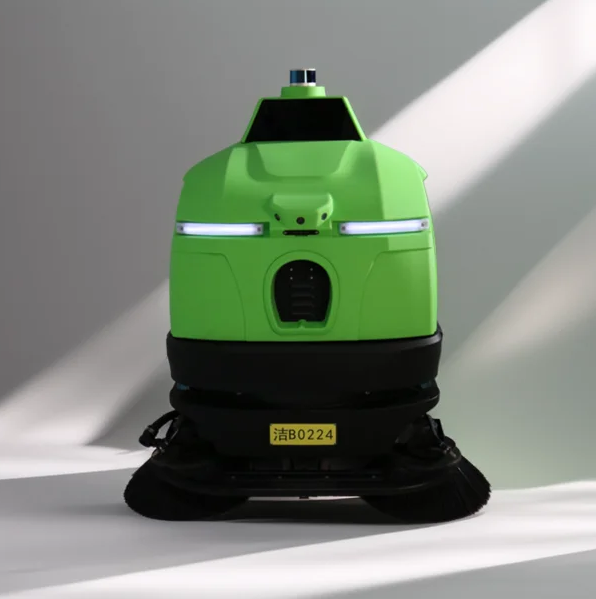
Our sensing arrangement combines multi-line and single-line LiDAR, 3D cameras, and ultrasonic sensors, with collision sensors providing another protective layer. Together, they support environmental awareness. The forward-facing 3D camera can also detect low obstacles along travel paths, including low objects near the ground.
Sensors do not replace careful planning. Mixed pedestrian and vehicle routes require suitable operating areas and site rules. We identify crossings, loading zones, narrow turns, and entrances before scheduling. Clear local rules help maintenance and security teams coordinate machine access.
Positioning recovery is equally relevant to continuity. If the machine loses localization, it pauses the task and attempts to regain its position. Once localization returns, work can resume. If recovery fails, the platform alerts remote personnel for support.
Cleaning Quality Depends on More Than Navigation
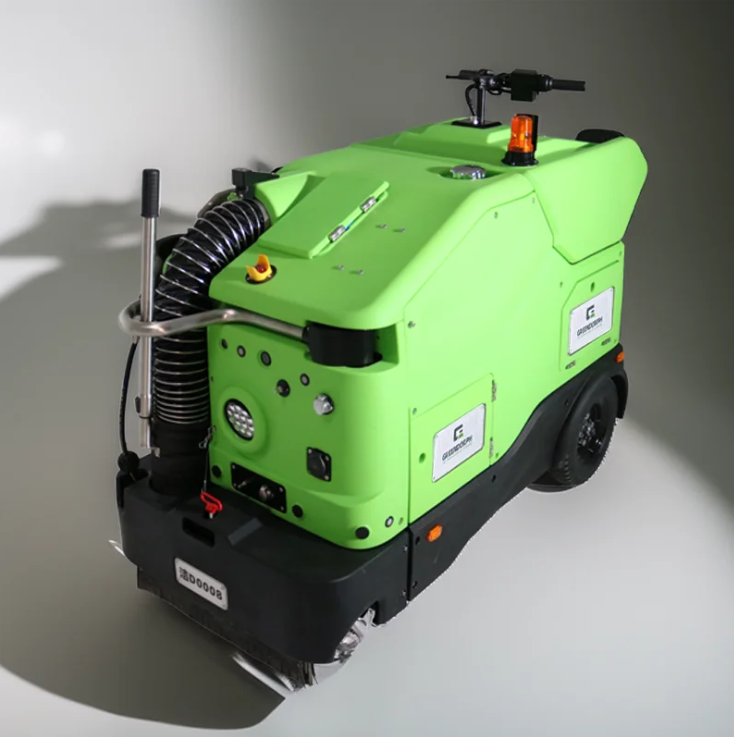
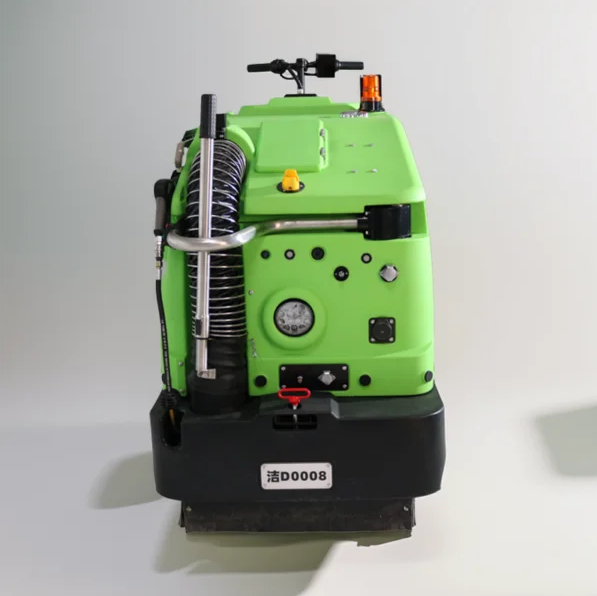
The Auto Sweeper YJ130 combines primary sweeping with suction, airflow assistance, and misting spray. Each function serves a different cleaning purpose. Sweeping moves material toward collection, suction supports pickup, airflow can assist with loose particles, and misting helps control dust as the machine operates.
Our published product information states cleaning efficiency above 95% and a working duration of six to eight hours. These figures inform equipment screening. Actual performance depends on surfaces, debris loads, and route configuration. Buyers should check results under their expected debris conditions.
The machine carries a 150-liter debris bin and a 120-liter water tank. These capacities inform service intervals. For routes with heavy leaves or litter, teams should check how quickly the bin fills rather than assume one service cycle will suit every location.
Edge cleaning matters on paved routes. The system supports close-edge cleaning with a minimum stated clearance of 10 centimeters. Managers can assess curbs and corners that may still need manual attention.
How We Translate Autonomy Into Daily Work
We approach an autonomous street sweeper as part of a site’s maintenance workflow, rather than equipment that needs no planning. Before deployment, the team needs clear route boundaries, suitable service locations, and agreed procedures for pedestrians, temporary obstructions, and exceptional debris.
Mapping can be completed remotely or on site. For a typical setting, map creation, task configuration, testing, and handover training may take around two to three days. Complex locations require separate assessments of layout and access. Handover should explain map changes, alert handling, and routine checks.
Cleaning continuity also depends on how service stops are handled. When the robot needs water, bin emptying, or charging, it records progress and can resume from the interrupted location after its working condition is restored. Each pause need not restart the assignment.
For supervisors, practical evaluation should include coverage records, interruptions, time spent servicing the machine, and the amount of manual follow-up. Before-and-after comparisons show how automation changes facility workflows. Multi-day observations reduce the influence of unusually light or heavy debris.
What Makes the Difference in a Working Site
Independent driving is useful only when the machine also collects debris, manages obstacles, and recovers from routine interruptions. We focus on these linked tasks because results matter more than labels. Teams should judge performance on their own surfaces and routes.
Through Greendorph, we support facility operators and cleaning partners who need repeatable outdoor maintenance across parks, schools, and industrial campuses. If your site is considering automated coverage, start with a route assessment and a realistic service plan. That creates a practical basis for evaluating daily results.