Suction power matters in large cleaning projects, but a higher vacuum rating does not always mean faster floor cleaning. A parking lot sweeper and a traditional industrial vacuum use suction in different ways. One moves across broad surfaces and collects mixed debris, while the other usually concentrates airflow through a hose or narrow intake.
For facility managers, the useful question is how suction performs on dust, leaves, grit, wrappers, and fine particles across a real site. This difference matters in parking structures, loading areas, access roads, and other commercial spaces where cleaning routes can cover long distances.
How the Two Systems Apply Suction
Traditional industrial vacuums concentrate airflow through a small inlet. This creates focused suction for workshops, corners, machinery areas, and spot cleaning. Operators can guide the hose directly toward a pile of dust or debris.
By contrast, garage sweepers often combine suction with brushes and a wider cleaning path. The brushes guide debris toward the intake while airflow collects finer material. This lets the machine clean continuously as it moves.
The result is a different workflow. A vacuum may work well at one point, but the operator must reposition the hose and machine. A sweeper turns suction into part of a moving cleaning process.
Large Floors Need More Than Vacuum Strength
Debris in garages is rarely concentrated in one place. Dust may gather along walls, sand may spread through traffic lanes, and leaves often collect near entrances. Cleaning these surfaces requires reach, mobility, and steady collection.
A parking lot sweeper can travel through long lanes while cleaning a wider path. Traditional vacuums remain useful around stairwells, drainage points, utility rooms, or other places where targeted cleaning makes more sense.
For this reason, we recommend comparing cleaned area per shift rather than suction figures alone. Brush width, intake design, maneuverability, collection capacity, route length, and operator movement all affect practical performance on a working site.
Mixed Debris Changes the Cleaning Method
Garage floors can contain fine dust, small stones, leaves, paper fragments, and tire particles at the same time. A vacuum hose can collect many of these materials, but larger scattered volumes may require repeated manual positioning.
Sweepers handle this pattern differently. Brushes gather loose material toward the suction zone before collection. This reduces the need to chase individual pieces and supports a more consistent route across broad areas.
Industrial vacuums still have a useful role in tight spaces or concentrated debris zones. The two machine types are therefore not direct replacements in every task. We suggest using site layout and debris distribution as the starting point for equipment selection.
Negative Pressure in a Mobile Sweeper
A negative-pressure system creates airflow that pulls loose particles into the machine. In a mobile sweeper, this airflow works while the unit travels, turns, and passes over surfaces with changing debris loads.
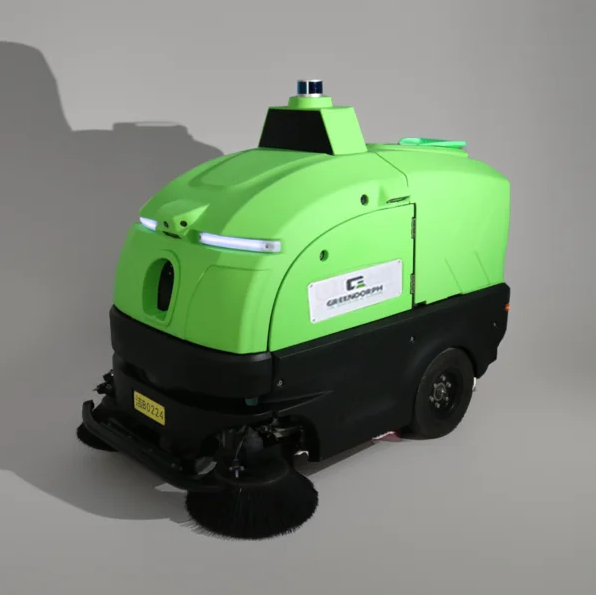
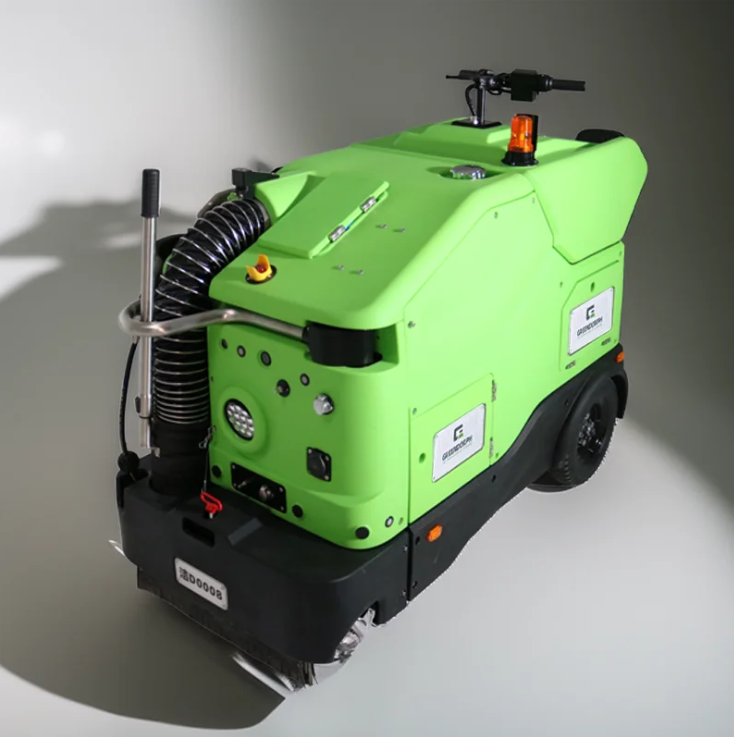
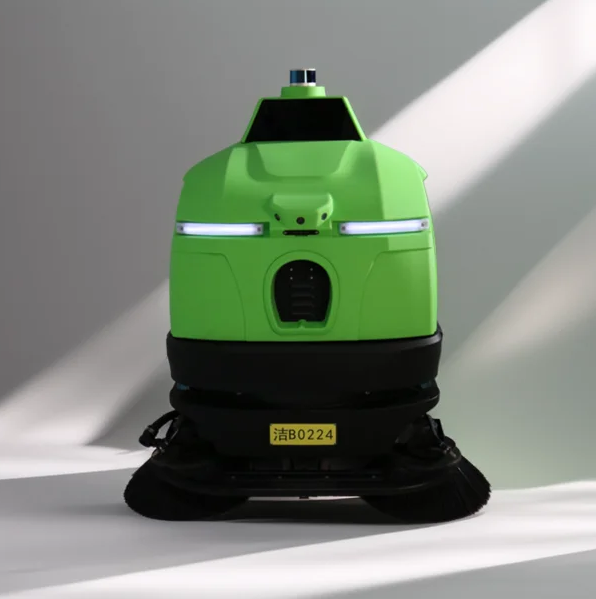
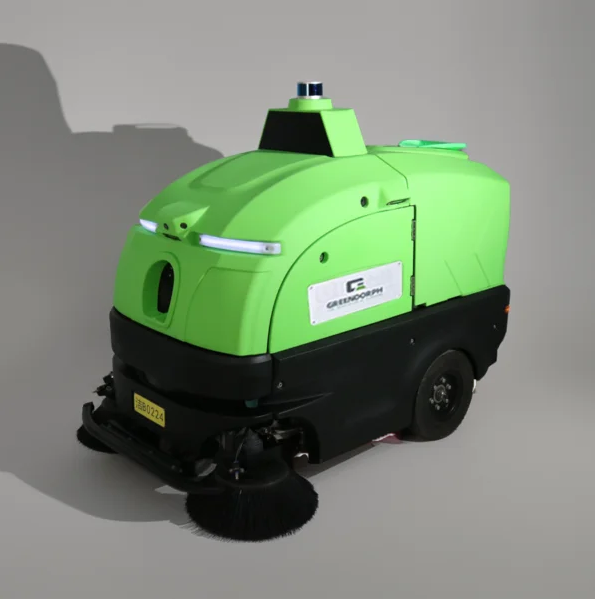
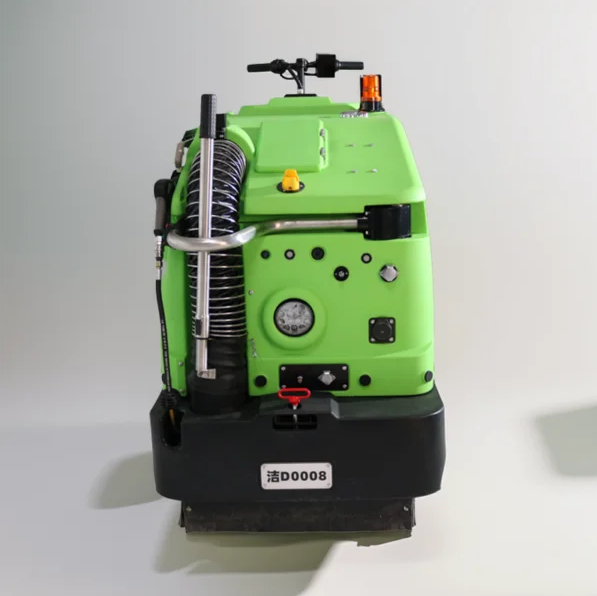
This principle is used in the YJ80 Vacuum Street Sweeper. At Greendorph, we build the model around a negative-pressure suction system. It is fully electric and can operate for up to eight hours per charge, based on the product information for this machine.
The YJ80 supports manual ride-on, auto-following, and towed traction modes. These options suit different workflows. An operator can drive across an open area, use follow mode during coordinated cleaning, or select traction mode when the job requires another movement pattern.
Why Mobility Can Matter More
A traditional industrial vacuum depends heavily on operator movement. The worker must position the hose, control the intake, and move the unit as the cleaning zone changes. That approach is practical in small areas but slower across long garage lanes.
Mobile sweepers reduce repeated repositioning because cleaning continues while the machine advances. This makes route planning easier when teams must cover broad floors while keeping parts of the facility accessible.
Our YJ80 uses an electric drive system and operates without hydraulic circuits, supporting quieter operation and simpler routine maintenance. For facility teams, these features can be useful when planning cleaning schedules in noise-sensitive areas or organizing daily equipment inspections.
Matching Equipment to the Site
The choice should start with the floor plan. Large garages, outdoor parking areas, plazas, and access roads often favor mobile sweeping because debris is spread across distance. Small rooms, pits, equipment zones, and detailed edge work may favor a traditional industrial vacuum.
Cleaning frequency also matters. Fine dust across a broad surface needs a different workflow from a concentrated pile of workshop waste. The first benefits from continuous movement, while the second may need focused suction and manual control.
At Greendorph, we treat suction as one part of the cleaning process rather than an isolated specification. Surface condition, debris type, route length, operator needs, and maintenance planning should all be considered together.
A Practical Way to Compare Suction
Traditional industrial vacuums provide focused suction and remain useful for detailed cleaning. Mobile sweepers apply suction across a wider moving path, which suits repetitive cleaning over large surfaces. The key difference is how suction is delivered during the task, not simply the size of a motor rating.
For commercial facilities, we believe the decision should follow the real cleaning route. When wide-area coverage, mixed debris, and continuous movement matter, a mobile sweeper can reduce repeated repositioning. When work is localized and precise, an industrial vacuum may be the more practical choice.