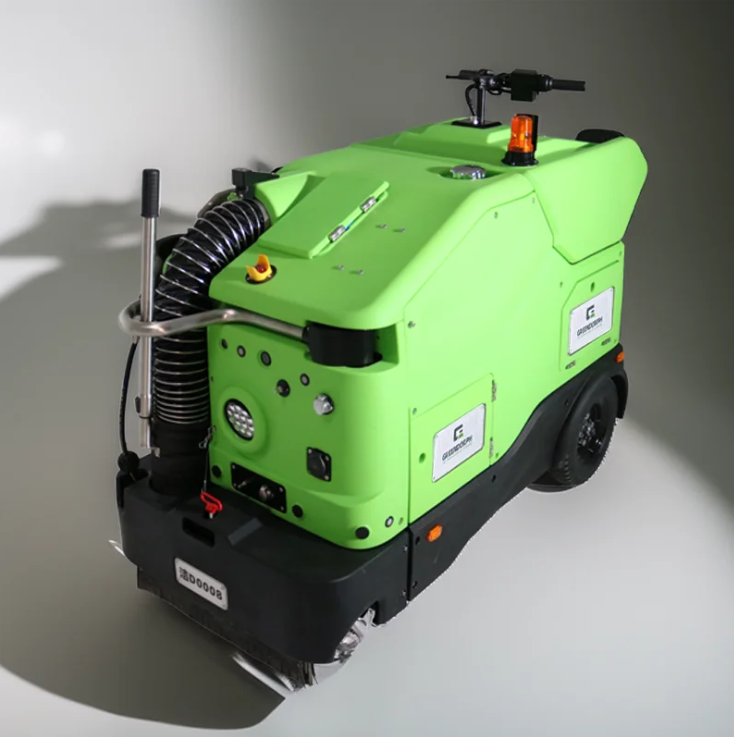
Municipal cleaning teams need to control dust, maintain public areas, and manage operating costs. When a fleet needs a new street vacuum, the choice often comes down to electric equipment or a traditional fuel-powered machine. Both remove surface debris, but their energy use, maintenance needs, noise level, and working pattern differ for commercial buyers.
The right choice depends on route length, charging access, shift planning, road conditions, and service resources. Electric machines are practical for defined urban routes, while fuel units suit operations that need long continuous travel and fast refueling. For B2B buyers, the useful comparison is how each system fits the real cleaning schedule.
Energy Use Changes Daily Operating Plans
Electric sweepers convert stored battery energy into traction and cleaning power. They do not need engine idling during slow cleaning work, so energy use is tied more closely to machine operation. This can make planning easier on fixed routes, especially when the depot has suitable charging access.
Fuel sweepers have a familiar operating pattern. Refueling is fast, and the machine can return to work after a short stop. This matters on routes covering long distances or multiple shifts. Fuel use can vary with engine load, travel speed, sweeping resistance, and idling time.
Charging time is therefore a key planning factor for electric fleets. Buyers should compare usable working hours with route length and time between shifts. Battery capacity alone does not show whether a machine fits the job. Cleaning intensity and accessory use also affect working duration.
Maintenance Requirements Are Structured Differently
Traditional fuel machines include an engine, fuel system, lubrication system, and related service items. Maintenance may involve oil changes, filters, belts, cooling checks, and engine inspections. Fleet managers also need spare parts, trained technicians, and planned service downtime.
Electric machines remove several engine-related service tasks. Their maintenance focus shifts toward batteries, electric drive components, brushes, suction parts, sensors, tires, and cleaning mechanisms. Buyers still need clear procedures for battery care and electrical inspection.
Lifecycle cost changes the comparison. Purchase price is only one figure. A useful comparison should include energy, scheduled service, replacement parts, labor, downtime, and expected operating years. The same road sweeper vacuum can look economical or costly depending on how it is used.
Noise and Local Emissions Affect Route Selection
Noise can limit when cleaning work is carried out. Fuel engines add mechanical sound to the noise from brushes, airflow, and debris collection. In residential areas, campuses, hospitals, hotel zones, and early-morning routes, this may reduce the available cleaning window.
Electric drive systems remove engine noise, although brushes, suction fans, and moving parts still produce sound. This can support cleaning when lower operating noise is preferred. It also changes the working environment for operators who spend several hours close to the machine.
Electric machines also produce no tailpipe exhaust during operation. This is useful where exhaust near pedestrians, entrances, or enclosed service zones is a concern. Fuel equipment may still fit open-road work, but local emission requirements can influence fleet decisions.
Workflow Flexibility Matters More Than Power Source Alone
A cleaning machine should match how staff actually work. Some teams use one operator for a fixed route. Others combine sweeping with spot cleaning, washing, litter collection, or edge work. The machine should support these tasks without creating unnecessary movement between separate equipment.
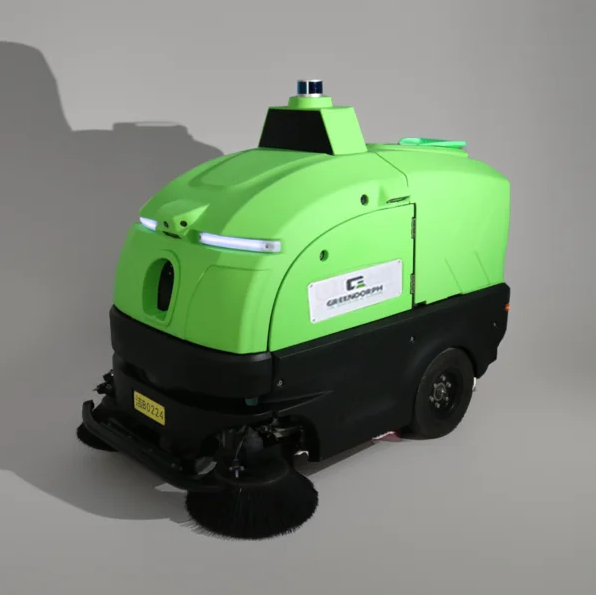
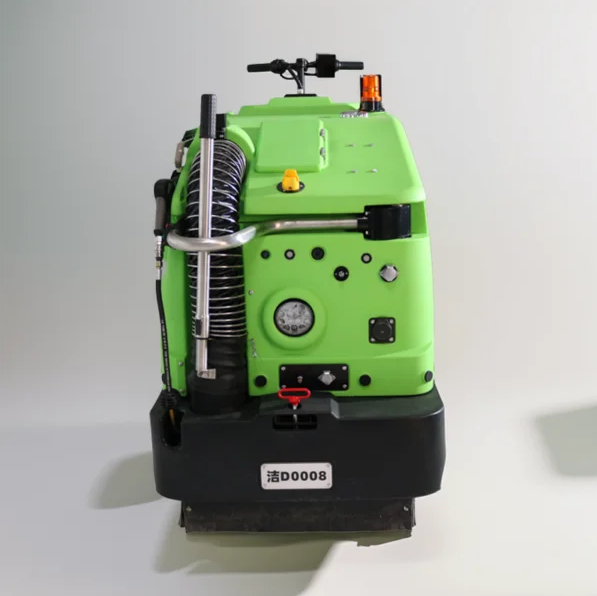
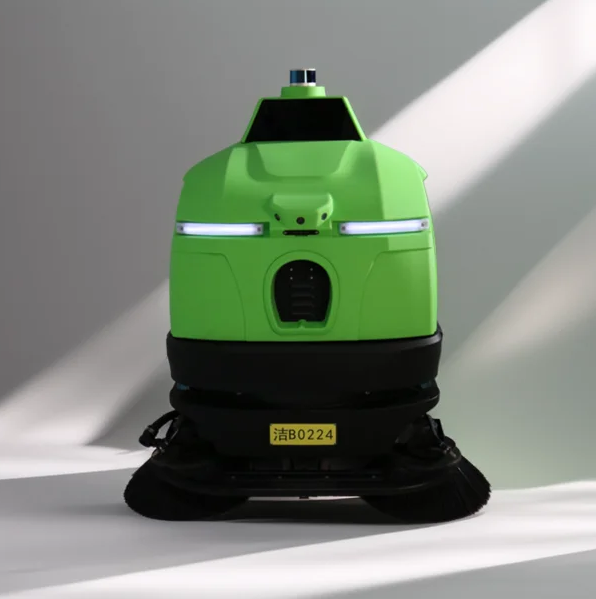
This is where our YJ80 Vacuum Street Sweeper fits into the comparison. At Greendorph, we designed it as a fully electric machine with a negative-pressure suction system and up to eight hours of working time per charge. It can operate in manual ride-on, auto-following, or towed traction modes, giving teams different ways to organize cleaning around the site.
The auto-following function is useful when the operator needs to move beside the machine for related cleaning tasks. It reduces repeated mounting and repositioning during short-distance work. For buyers comparing a street vacuum with a conventional fuel unit, this workflow flexibility can matter as much as the energy source.
Fleet Buyers Should Compare the Whole Route
Before selecting equipment, we recommend mapping the route in practical terms. Record cleaning distance, debris type, road width, edge conditions, working speed, water use, charging opportunities, and maintenance time. These details reveal whether an electric or fuel machine fits the operating pattern.
A fuel unit may suit long routes with little charging access and continuous shift demand. An electric road sweeper vacuum can be practical for planned urban routes, campuses, parks, commercial districts, and other sites where charging can be scheduled around daily work.
For our product planning at Greendorph, we focus on how cleaning equipment interacts with operators and route conditions rather than treating electrification as the only goal. The YJ80 combines electric operation with multiple control modes, giving B2B users another option when evaluating fleet design.
A Practical Decision Comes From Operating Data
Electric and fuel sweepers solve the same basic problem, but they fit different operating models. Electric machines can reduce engine-related maintenance, local exhaust, and engine noise. Fuel machines offer quick refueling and familiar long-shift operation. Neither choice should be made from one specification alone.
For procurement teams, the stronger method is to compare real route data with working time, energy access, maintenance capacity, noise limits, and staffing patterns. That approach makes the comparison practical and helps buyers select equipment that fits the cleaning task rather than choosing only by power source.