The terminology surrounding automated cleaning equipment can present a barrier for organizations evaluating new solutions. For facility managers, procurement professionals, and operations directors, understanding the precise definitions and distinctions among various automatic floor cleaning machine categories is essential for making informed purchasing decisions. As a manufacturer with extensive experience deploying intelligent cleaning systems across industrial, commercial, and institutional environments, we have observed that clarity around technical concepts directly correlates with successful implementation. Whether you are considering a robot floor cleaner for a warehouse or a larger autonomous unit for campus pathways, grasping the foundational terminology helps align equipment capabilities with operational requirements.
Core Components of an Automatic Floor Cleaning Machine
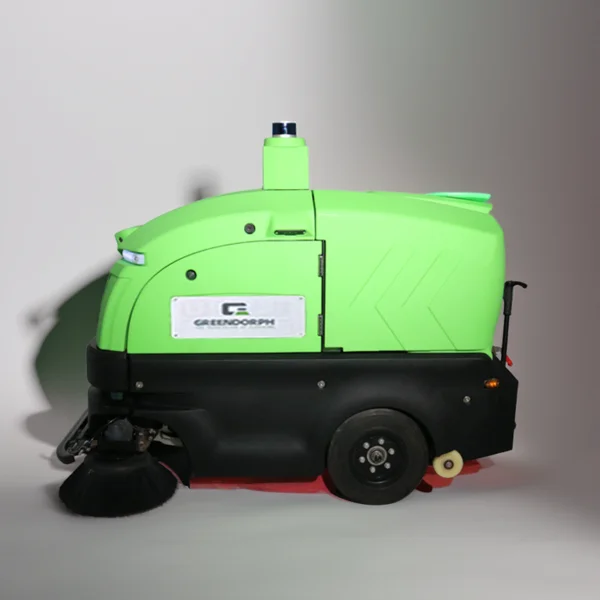
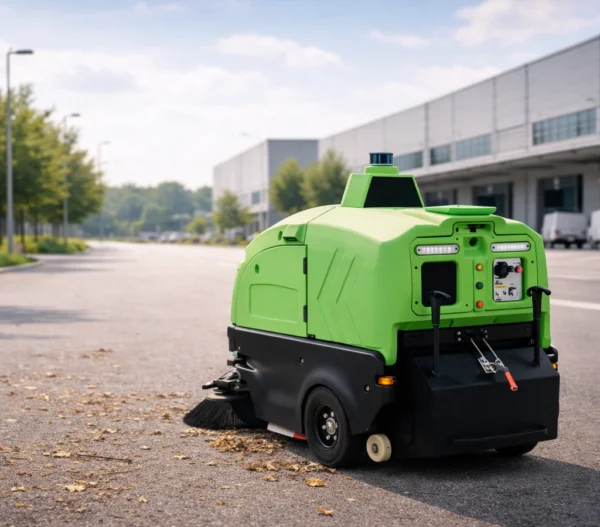
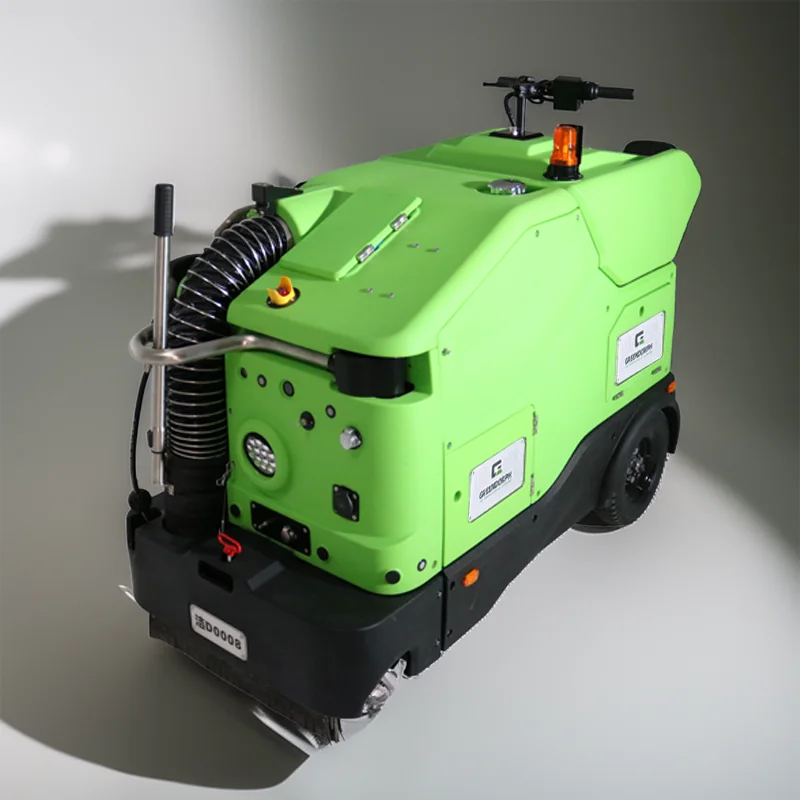
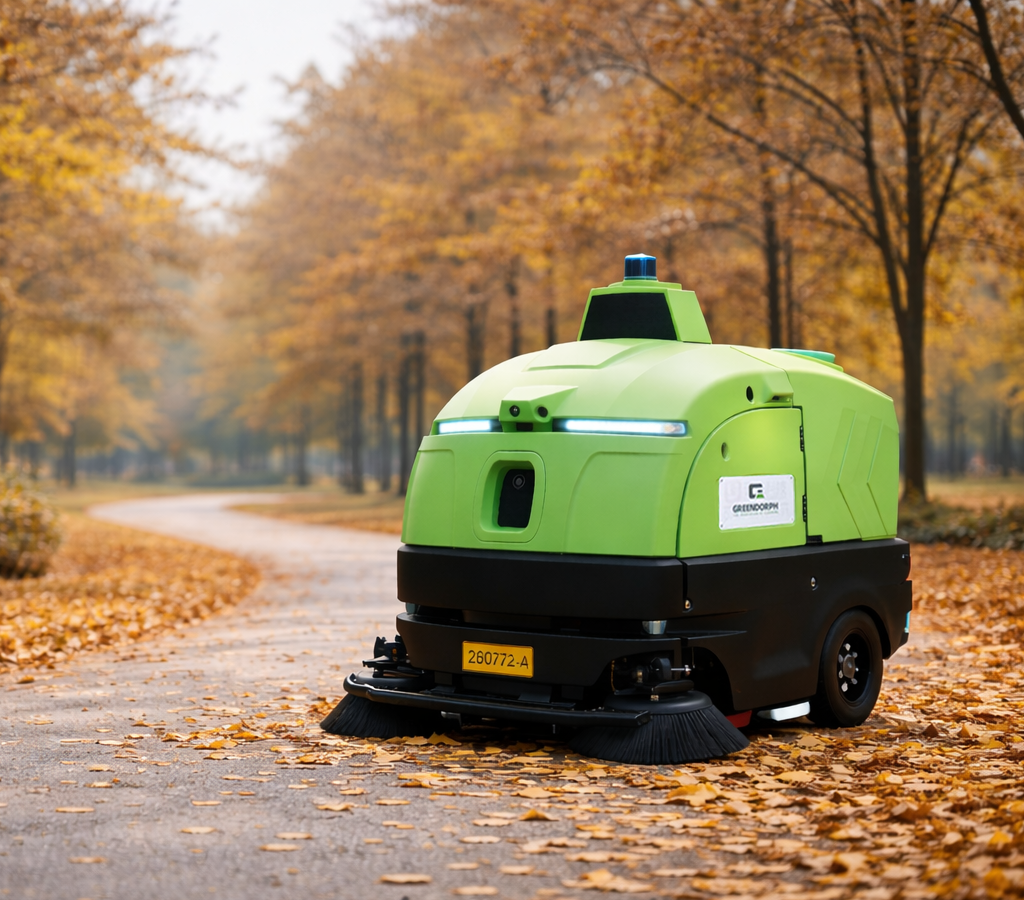
A modern automatic floor cleaning machine integrates several subsystems that work in coordination to achieve consistent, repeatable results. The cleaning head assembly typically includes rotating brushes or pads that agitate the surface, dislodging debris and soil. Adjacent to this, a solution delivery system meters water and cleaning agents at controlled flow rates. What distinguishes a true robot floor cleaner from simpler automated units is the incorporation of a recovery system—a vacuum or squeegee mechanism that extracts suspended soil and returns the surface to a dry, walk-ready condition in a single pass. Navigation hardware represents another critical component. Sensors such as lidar, ultrasonic arrays, and inertial measurement units enable the machine to perceive its environment, maintain position awareness, and adjust cleaning paths in real time. In our deployments, we have found that clarity around these component functions helps maintenance teams perform routine inspections more effectively and reduces service calls for preventable issues.
Autonomy Levels and Navigation Terminology
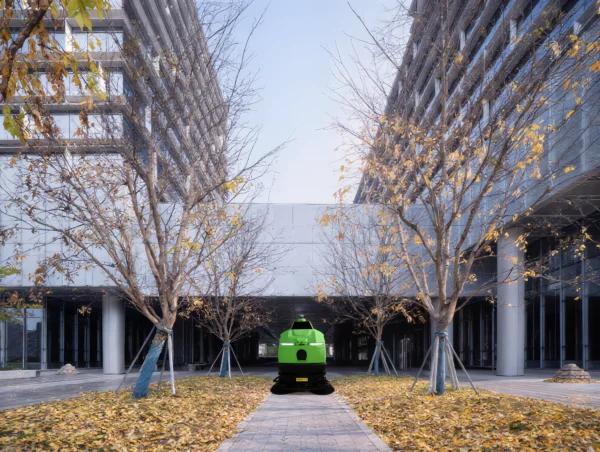
Not all automatic floor cleaning machine products offer the same degree of autonomy, and understanding the terminology used to describe navigation capabilities is crucial. Random navigation systems, found in some consumer-grade robot floor cleaner models, rely on bounce algorithms that do not guarantee complete coverage. By contrast, systematic navigation uses sensor data to map the environment and plan efficient routes, ensuring that every area receives appropriate attention. Within the commercial and industrial sector, we utilize what is known as structured navigation—a approach that combines pre‑defined path planning with dynamic obstacle detection. This allows a robot floor cleaner to follow optimized routes while safely responding to unexpected obstacles such as pedestrians, equipment, or temporary storage. Additional terminology includes localization (the machine’s ability to determine its position within a known map), path optimization (the algorithmic selection of the most time‑efficient cleaning route), and fleet coordination (the ability of multiple automatic floor cleaning machine units to operate in the same area without interference). For facilities managing large outdoor spaces, these navigation concepts directly impact cleaning consistency and operational efficiency.
Connectivity, Data, and Smart Platform Integration
The evolution of automatic floor cleaning machine technology has introduced terminology related to connectivity and data management. A cloud‑connected robot floor cleaner transmits operational data—such as area covered, battery consumption, water usage, and fault codes—to a centralized software platform. This enables what is commonly referred to as remote fleet management, where supervisors can monitor multiple units across different sites from a single interface. Terminology such as over‑the‑air updates refers to the capability of updating machine software without physical intervention, allowing continuous improvement of navigation algorithms and cleaning patterns. Predictive maintenance is another term gaining prominence; it describes the use of data analytics to anticipate component wear or service needs before failure occurs, minimizing unplanned downtime. In our experience working with customers across more than 300 global projects, we have seen that organizations investing in automatic floor cleaning machine platforms with robust connectivity features achieve higher equipment utilization rates and lower total cost of ownership compared to those operating disconnected units. Understanding these terms enables procurement teams to evaluate not only current cleaning performance but also the long-term adaptability of the equipment.
Selecting an automatic floor cleaning machine requires more than comparing specifications—it demands a clear understanding of the concepts and terminology that define how these systems operate. From core components and navigation classifications to connectivity features and smart platform integration, each term represents a functional capability that affects daily operations. For organizations evaluating a robot floor cleaner or other autonomous equipment, investing time in understanding these concepts yields better alignment between technology and operational needs. We at Greendorph have seen across our deployments that when facility teams possess a solid grasp of these fundamentals, they are better positioned to maximize equipment performance, train operators effectively, and communicate requirements to stakeholders. An automatic floor cleaning machine is ultimately a tool, and like any tool, its value is fully realized when those who specify and operate it understand precisely how it works.