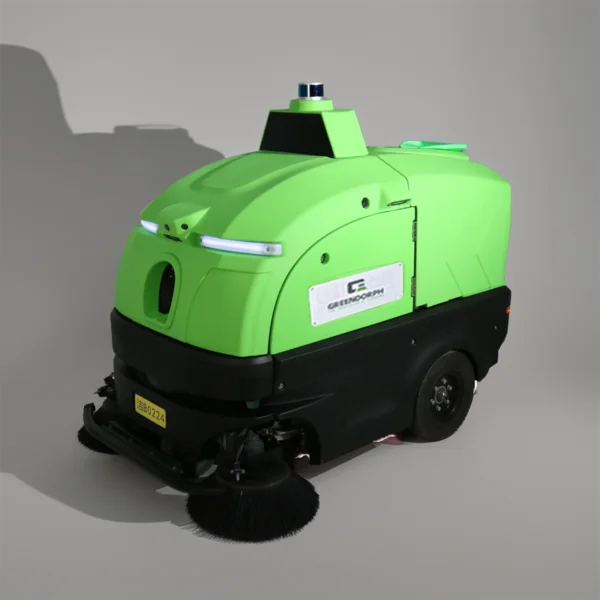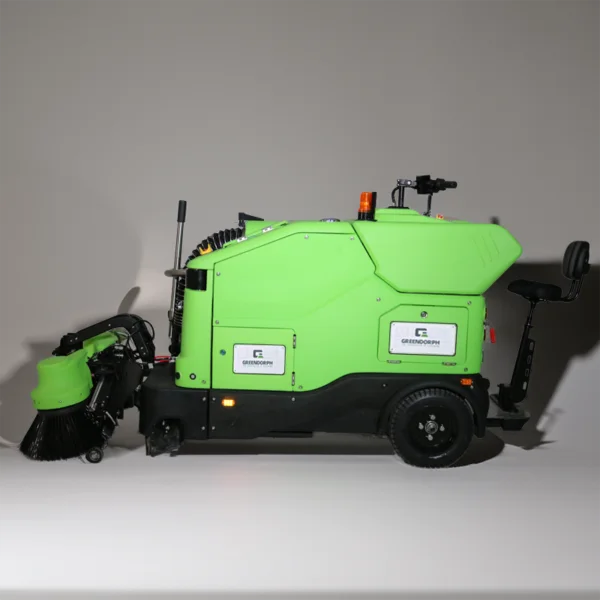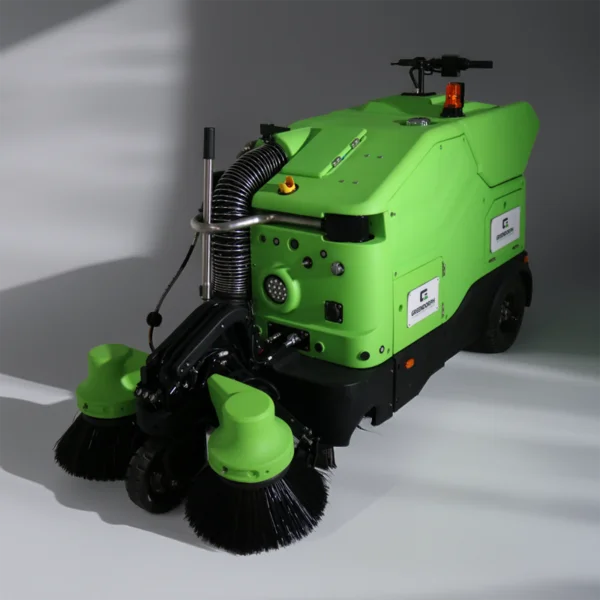

Buying an autonomous floor scrubber for residential use is different from choosing equipment for a warehouse or large public facility. Residential areas contain narrow corridors, furniture, door thresholds, corners, residents, pets, and changing obstacles. A suitable machine must clean effectively while moving safely through these conditions.
For property service companies, distributors, and residential cleaning operators, the buying decision should start with the actual living environment. This guide explains what to check before selecting a residential floor scrubber machine for apartments, shared residential spaces, and similar projects.
Start With the Residential Layout, Not the Machine Size
The first step is to map the cleaning area. Buyers should record corridor width, room transitions, elevator entrances, doorways, corners, and places where temporary objects often appear. These details affect whether an autonomous machine can move smoothly through the site.
Floor area alone does not tell the full story. Two residential sites with the same square footage can require different navigation strategies. A long open corridor is easier to cover than a space divided by furniture, doors, and small rooms.
Restricted areas should also be marked. Bedrooms, carpeted zones, stairs, balconies, and wet areas may need different cleaning rules. Buyers should confirm how cleaning zones and boundaries are set before choosing a machine.
Test Autonomy in a Furnished Residential Space
Autonomy should be evaluated by watching actual movement rather than reading a feature list. Buyers need to understand how the machine plans routes, detects obstacles, changes direction, and responds when its planned path is blocked.
When evaluating an autonomous home floor scrubber, test it in a furnished space instead of an empty demonstration area. Chairs, slippers, boxes, moving people, and narrow passages create a more realistic navigation test.
Route recovery also matters. If a passage is blocked, buyers should check whether the machine waits, reroutes, skips the area, or requires manual intervention. This directly affects how much staff attention is still needed during cleaning.
At Greendorph, we discuss floor plans and operating routines with B2B partners before equipment selection. For residential projects, these details give buyers a clearer basis for comparison than automation labels alone.
Examine Scrubbing, Water Control, and Floor Results
An autonomous scrubber must do more than travel through a room. Buyers should examine how it applies water, agitates dirt, collects dirty water, and leaves the floor after each pass. These points affect cleaning quality and drying conditions.
Residential floors may include tile, stone, laminate, or other finished surfaces. The cleaning method should match the surface and the dirt usually found in the building. Light dust, footprints, kitchen residue, and entrance dirt create different cleaning demands.
Water control deserves particular attention. Excess water can make residential walkways inconvenient after cleaning, while insufficient water may reduce washing performance on certain stains. Buyers should ask whether cleaning settings can be adjusted for different floor conditions.
During a trial, inspect the floor immediately after the machine passes. Look for streaks, visible residue, water near edges, and missed areas around corners. These observations make performance easier to judge.
Check Safety Around Residents and Household Objects
Residential cleaning happens around people rather than in isolated work zones. Buyers need to consider children, older residents, pets, furniture, loose objects, and sudden movement across the cleaning path. An autonomous home floor scrubber should be evaluated based on how well it adapts to these daily living conditions.
Obstacle detection should be tested with objects at different heights and positions. A chair and a small item close to the floor create different navigation challenges. Buyers should also observe what happens when someone crosses the machine’s route.
Noise is another practical issue. Cleaning may happen early in the morning, during working-from-home hours, or in the evening. The operating sound should fit the cleaning schedule planned for the property.
For a residential floor scrubber machine, predictable movement is as important as washing ability. Frequent restarts, repeated object removal, or regular manual correction can reduce the practical value of autonomous operation.
Measure the Staff Work That Still Remains
Autonomous operation does not remove every manual task. Staff may still prepare the area, fill or empty tanks, clean brushes, remove debris, inspect parts, and deal with unusual obstacles. These tasks should be listed before estimating labor savings.
A useful trial should measure active staff time. Record the minutes needed before cleaning, during operation, and after the cycle. This gives procurement teams a clearer picture than comparing machine running time alone.
Battery planning should also match the intended route. Buyers should check whether one operating cycle covers the required area or whether charging interrupts the schedule. For multi-floor projects, moving the machine between zones should be included in the workflow review.
Use a Site Trial as the Final Buying Filter
Before placing a larger B2B order, buyers can test automated floor-cleaning equipment in representative residential zones. Include an open area, a narrow passage, a corner-heavy space, and a furnished zone. Record coverage, missed areas, obstacle responses, floor condition, staff intervention, and preparation time. At Greendorph, we use these project details to discuss how equipment can fit residential operating conditions.
A sound buying decision comes from matching the machine with the building rather than comparing feature lists alone. Layout, navigation, scrubbing method, water control, safety, and staff handling should be reviewed together. When these factors are tested on site, B2B buyers can judge whether the equipment suits the actual residential cleaning task.