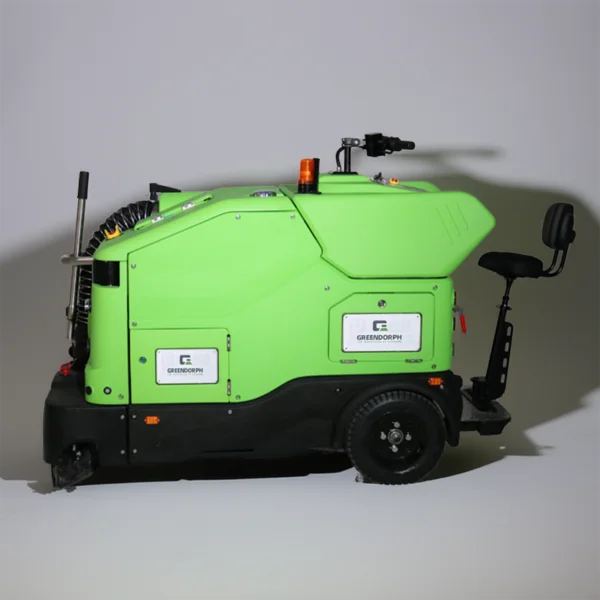
Urban environments today require consistent and efficient cleaning solutions that can handle dust, debris, and fine particles across large public spaces. At Greendorph, we design systems that address these operational demands through engineering focused on suction performance, maneuverability, and long-term reliability. Two commonly evaluated solutions in this space are street vacuum systems and integrated street sweeper vacuum equipment, both of which support municipalities, industrial parks, and large commercial sites.
What Defines a Street Vacuum System
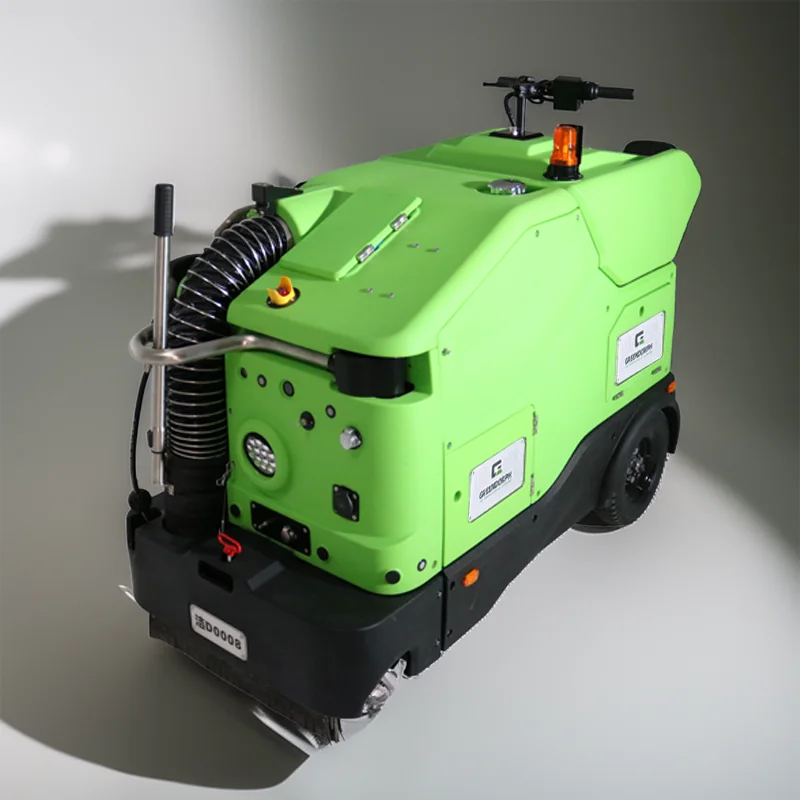
A street vacuum is typically designed to focus on high-efficiency suction of fine debris and dust from paved surfaces. Unlike traditional brushing-only machines, it relies on negative pressure airflow to collect lightweight waste that is often difficult to remove manually or with basic sweepers. In our Greendorph engineering approach, this type of system is optimized for environments where cleanliness standards require minimal residual dust, such as pedestrian zones, campuses, and transit hubs.
The emphasis is not only on suction power but also on filtration stability, ensuring that collected particles remain contained without re-releasing airborne dust during operation.
The Role of Street Sweeper Vacuum Equipment
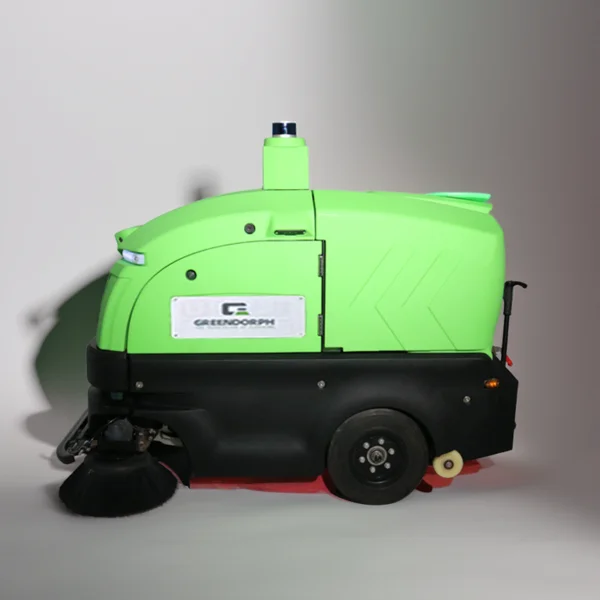
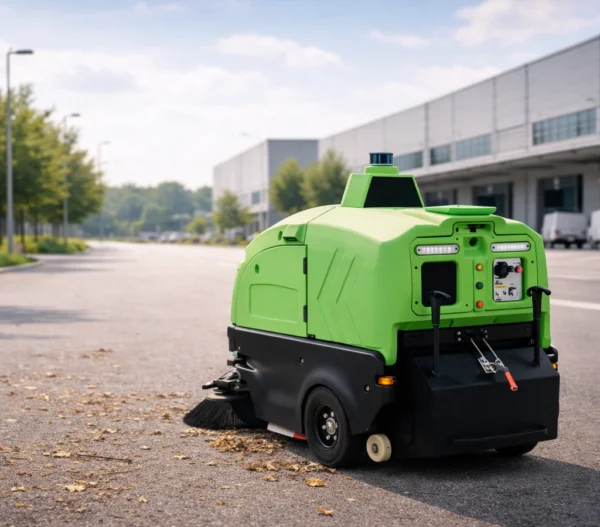
A street sweeper vacuum combines mechanical sweeping functions with suction technology. This hybrid design allows it to handle both coarse debris such as leaves, gravel, and packaging waste, and finer particles that require vacuum-based collection.
Within our Greendorph product ecosystem, this configuration is often selected for broader urban applications. It supports multi-surface adaptability, enabling consistent performance across roads, parking areas, and industrial outdoor zones. The integration of sweeping brushes with suction systems improves collection efficiency while reducing repeated passes over the same surface.
Key Factors to Evaluate Before Selection
When advising clients on equipment selection, we focus on several practical criteria. These include surface type, daily cleaning area, debris composition, and operational environment. A street vacuum system is often suitable when fine dust control is the priority, while a street sweeper vacuum is more appropriate for mixed waste conditions and larger operational zones.
Operational flexibility is another key consideration. Equipment such as the Greendorph Omniclean series is designed with adaptable control modes to support manual operation, assisted navigation, and extended coverage scenarios, helping operators match machine capability to real-world conditions.
Application Scenarios in Real Urban Operations
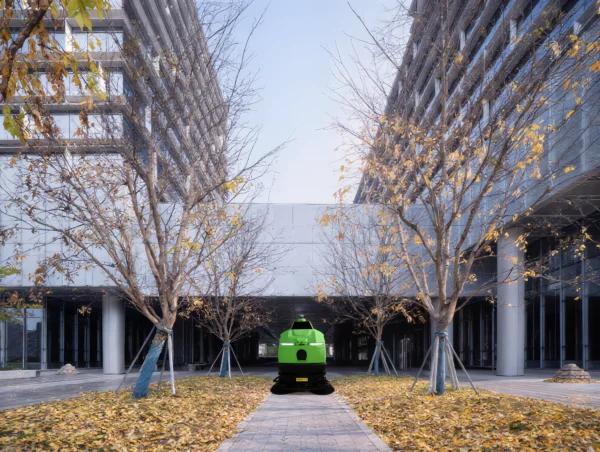
Different environments demand different cleaning strategies. For example, campuses and residential districts benefit from quieter and precision-focused cleaning, while industrial parks and logistics hubs require stronger debris-handling capacity and longer runtime performance.
Greendorph systems are engineered for these diverse requirements, supporting continuous cleaning cycles and reducing downtime through optimized waste collection capacity and modular system design. This allows organizations to maintain consistent sanitation standards without excessive operational complexity.
Conclusion
Selecting between a street vacuum and a street sweeper vacuum is not simply a technical choice but an operational decision shaped by environment, workload, and cleaning objectives. At Greendorph, we focus on helping organizations match the right system to their real conditions, ensuring efficiency in both fine dust control and heavy debris management.
As urban spaces continue to expand, the need for adaptable and reliable street cleaning equipment becomes increasingly important. A well-matched solution supports cleaner environments, smoother operations, and more sustainable long-term maintenance strategies.