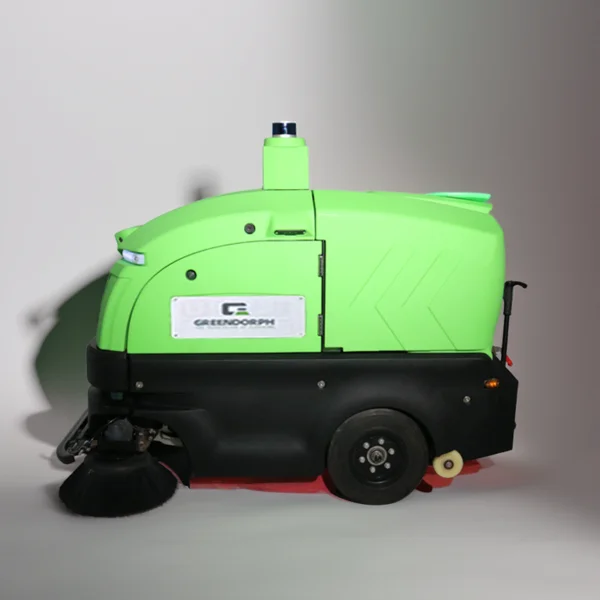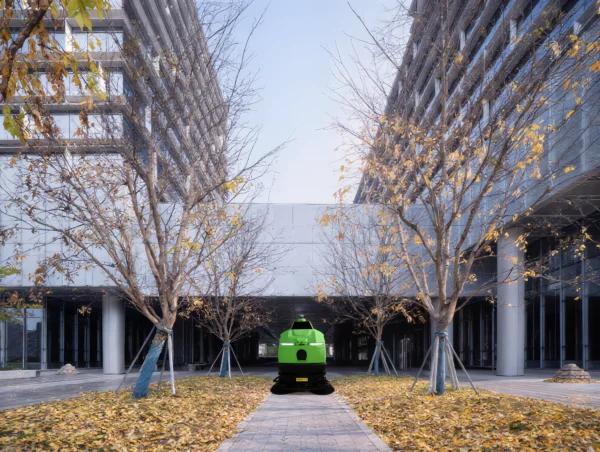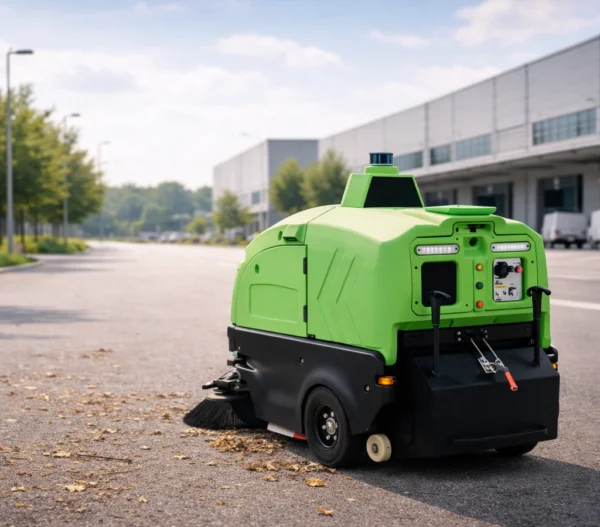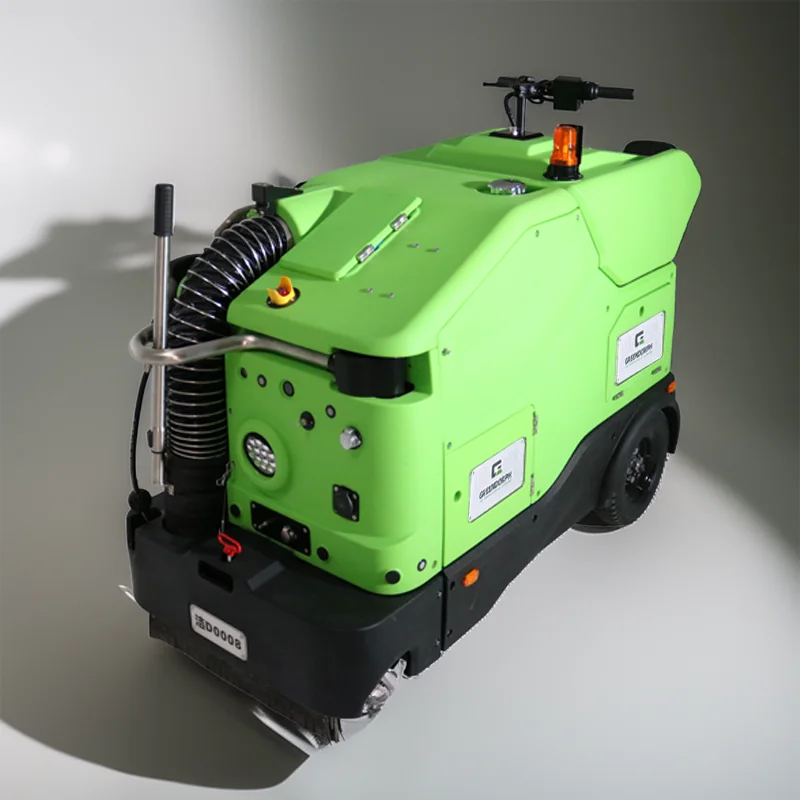
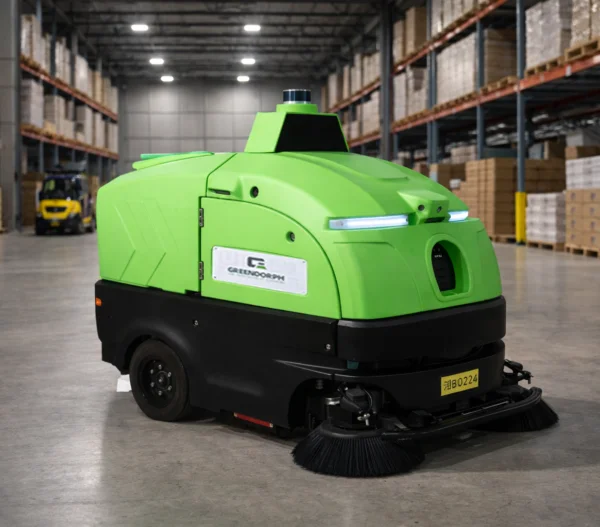
In warehouse operations, cleaning performance is closely tied to the equipment size and layout compatibility. A properly selected warehouse sweeper helps reduce dust buildup, improve safety around forklifts, and maintain consistent workflow without interrupting daily logistics. At Greendorph, we focus on helping facilities match cleaning equipment to real operational demand rather than over-specifying or under-sizing machines.
Why Size Matters in Warehouse Cleaning
The effectiveness of a cleaning machine is not only about power but also about coverage efficiency. A floor sweeper for warehouse use must align with aisle width, storage density, and total square footage. Industry guidance shows that smaller spaces can be handled with compact walk-behind units, while larger distribution centers often require wider cleaning paths or ride-on systems to maintain productivity levels.
A mismatch in size can lead to repeated passes, higher labor cost, and inconsistent cleaning results, especially in high-traffic logistics environments.
Matching Sweeper Size to Warehouse Layout
When selecting equipment, we always evaluate layout first. Narrow aisles and dense shelving demand maneuverability over width. In contrast, open floor plans benefit from wider sweeping paths that reduce cleaning cycles.
For example, compact facilities typically prioritize machines with a tighter turning radius and moderate hopper capacity. Medium to large warehouses often require wider brush systems that can cover more ground per pass, reducing operator fatigue and downtime.
Understanding Cleaning Capacity vs. Efficiency
Another key factor is how much area the machine can clean within a given time. A well-matched warehouse sweeper should support the daily cleaning frequency without interrupting core operations.
Battery runtime, dust control capability, and debris collection efficiency all influence real-world performance. Facilities with continuous shift operations benefit from machines that balance long operating hours with stable suction and consistent brush pressure.
Choosing Based on Operational Needs
We recommend starting with three questions:
How often is cleaning required each day?
How open or segmented is the floor space?
What type of debris is most common?
Answering these helps narrow down whether a compact walk-behind unit or a larger ride-on solution is more suitable. In many cases, warehouses benefit from a mixed approach, using smaller units for tight areas and larger machines for open zones.
Greendorph Approach to Warehouse Cleaning Solutions
At Greendorph, we design cleaning equipment with practical warehouse conditions in mind. Rather than focusing only on specifications, we emphasize usability across real logistics environments, where dust, packaging waste, and constant movement are daily challenges. Our solutions are built to support consistent performance without unnecessary complexity.
Conclusion
Selecting the right floor sweeper for warehouse use is ultimately about matching machine size to space layout and workload intensity. A properly sized solution improves cleaning efficiency, reduces operational strain, and supports a safer working environment. At Greendorph, we continue to focus on helping facilities choose equipment that fits their actual workflow rather than forcing adjustments around the machine.