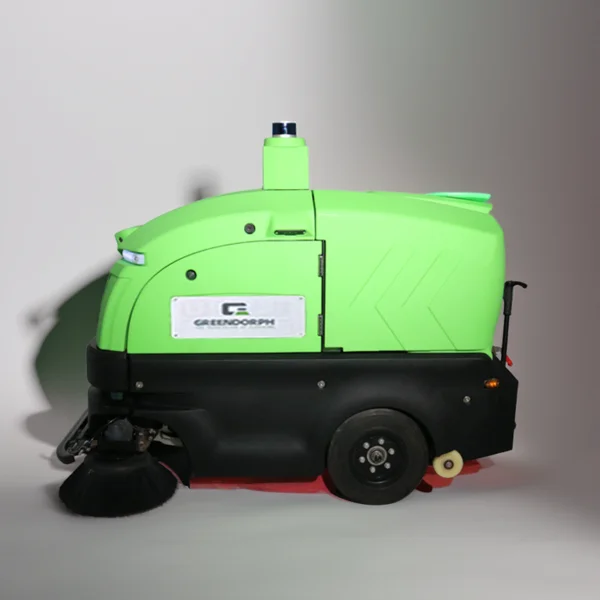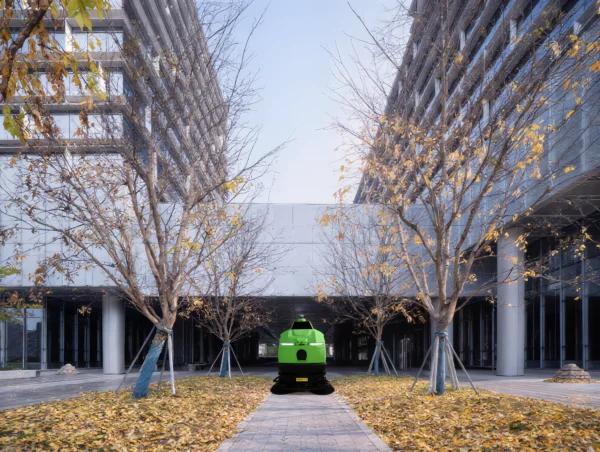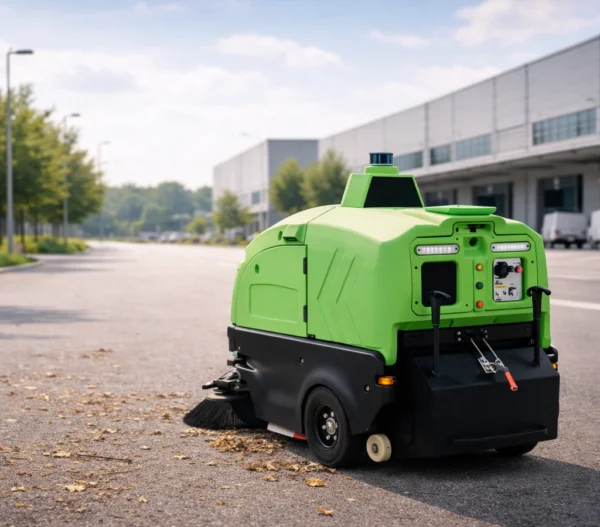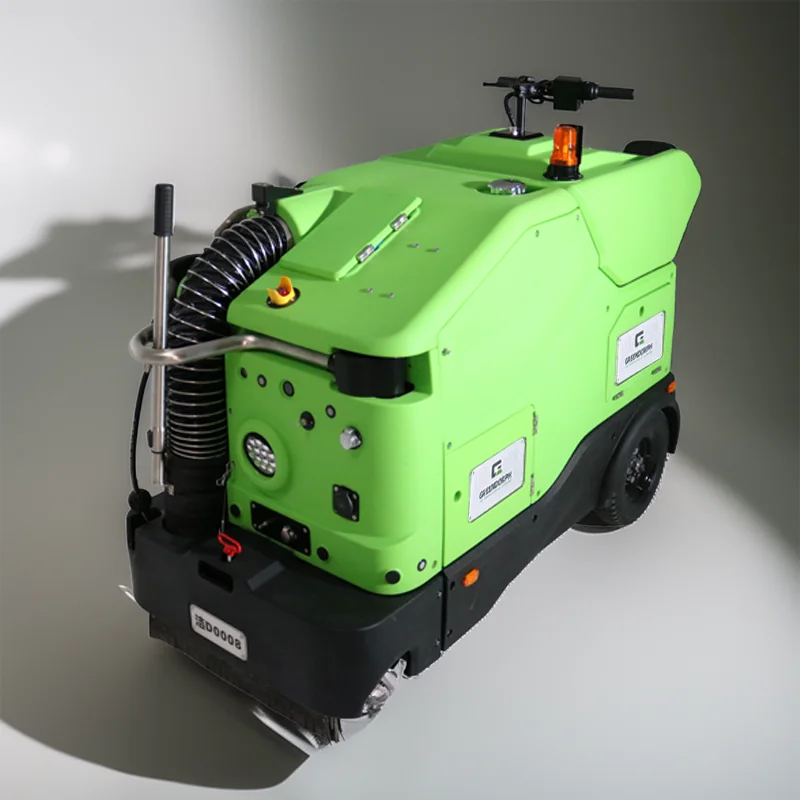
At Greendorph, we design smart sanitation solutions that address industry pain points like heavy workloads and occupational hazards. As cities evolve into interconnected digital ecosystems, the role of cleaning equipment must evolve too. A standalone outdoor floor sweeper is useful. An integrated outdoor floor sweeper that communicates with traffic systems, waste management platforms, and urban dashboards is transformative. Our Auto Sweeper YJ130—a fully autonomous outdoor sweeper featuring suction, airflow-assist, and misting spray—demonstrates how this integration works today. Here is our roadmap for cities ready to take the leap.
Connecting Your Outdoor Robot Cleaner to City Networks
The first step is data interoperability. A modern outdoor robot cleaner generates valuable information: battery status, debris volume, cleaning completion times, and obstacle encounters. To integrate into a smart city, this data must flow into a central management system. The YJ130, with its 48V/200AH lithium battery and 6-8 hour average operating time, can report real-time metrics via API. City managers then see which zones are clean, where debris accumulates after events, and when a unit needs maintenance. Without this connection, your outdoor floor sweeper remains an isolated tool rather than a city asset.
Route Optimization Using Urban Data Feeds
A smart city knows when foot traffic peaks, when weekend markets leave litter, and when leaf fall seasons begin. Your outdoor robot cleaner should use that information. By integrating with traffic cameras, event calendars, and weather sensors, the YJ130 can adjust its 5760 m²/h cleaning efficiency dynamically. On a windy day, it increases misting spray. After a concert, it prioritizes high-traffic zones. With a movement speed of 3.6 km/h and a 130cm cleaning width, route optimization multiplies productivity. We have seen pilot programs reduce redundant passes by nearly 40% simply by connecting sweeper schedules to real-time urban data.
Physical and Digital Infrastructure Requirements
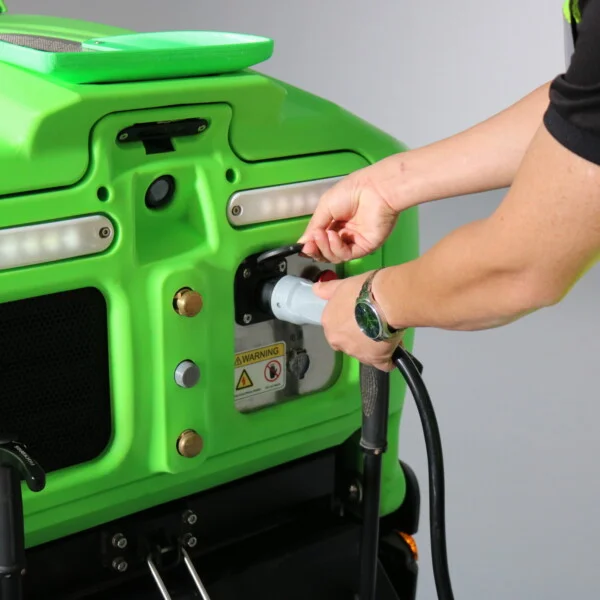
Integration also demands physical preparation. Smart cities need standardized charging depots with network connectivity, geofenced operating zones, and clear communication protocols between vehicles and infrastructure. The YJ130’s autonomous navigation works seamlessly with these elements. But cities must also consider data privacy: an outdoor floor sweeper equipped with cameras should anonymize pedestrian imagery before transmitting to central servers. At Greendorph, we build privacy controls directly into our units, ensuring compliance with urban data regulations.
Building Tomorrow’s Clean Cities Today
Integrating an outdoor robot cleaner into a smart city is not futuristic—it is practical. Start with one district, connect your outdoor floor sweeper to existing traffic or waste management systems, then scale. The YJ130 is ready. The real question is whether city planners are ready to rethink cleaning as a data-driven, autonomous function. At Greendorph, we believe the cleanest cities will also be the smartest. Let us help you build that future, one sweep at a time.