In commercial and industrial environments, floor maintenance is no longer just a routine task. It is a recurring operational cost that affects labor allocation, cleaning consistency, and long-term facility management budgets. At Greendorph, we focus on how automation can reshape these cost structures through practical cleaning solutions. Comparing traditional manual scrubbing systems with modern automation highlights a clear shift in how facilities evaluate efficiency, manpower, and return on investment.
Manual Scrubbing Systems and Their Ongoing Cost Pressure
Traditional cleaning equipment relies heavily on human operators. This includes ride-on or walk-behind machines that require staffing for every shift, along with training, supervision, and scheduling. While these systems can deliver strong cleaning performance, they also introduce continuous labor dependency.
Across large facilities, the real cost is not limited to wages alone. It includes labor turnover, downtime during staffing gaps, and uneven cleaning quality caused by operator variation. Over time, these factors create fluctuating expenses that are difficult to standardize across operations.
Autonomous Floor Cleaning Robot in Operational Use
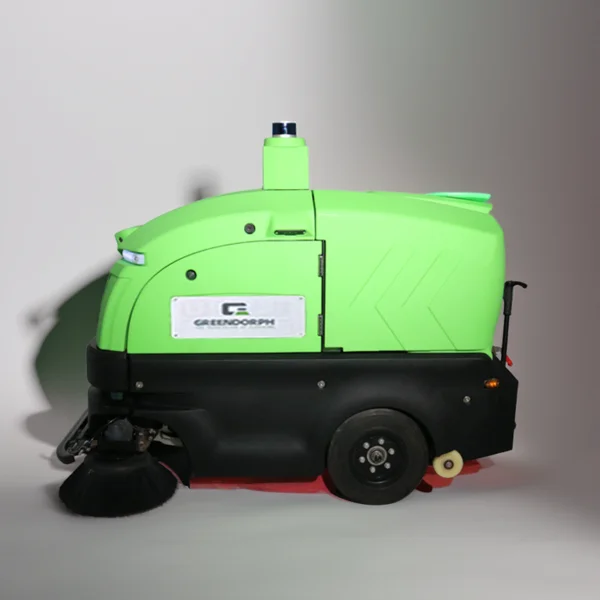
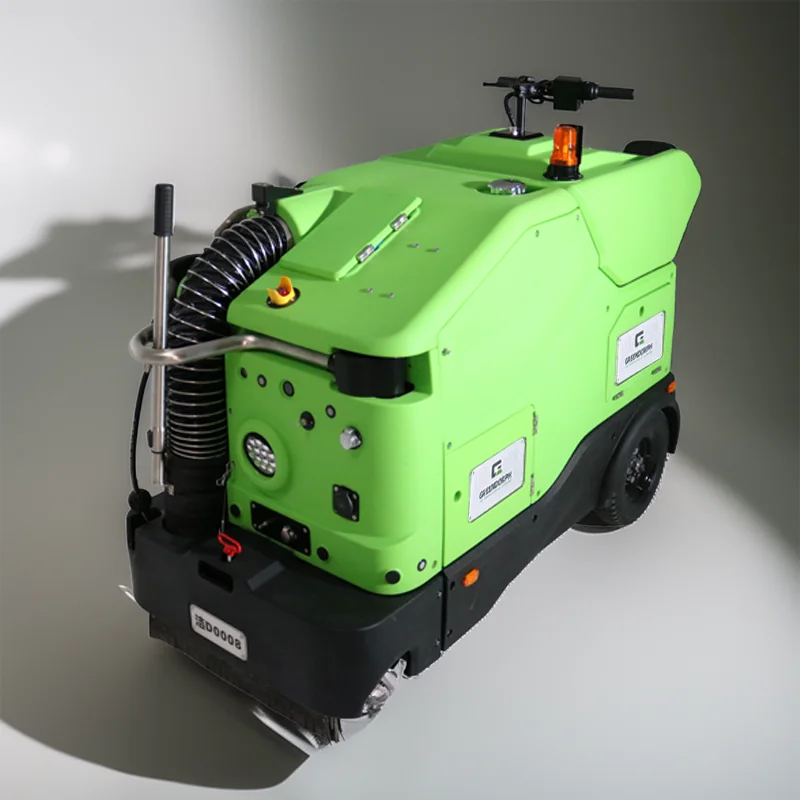
A modern autonomous floor cleaning robot operates with onboard mapping and navigation systems that allow it to clean predefined areas with minimal human input. Instead of constant manual operation, staff involvement shifts toward scheduling, monitoring, and occasional maintenance.
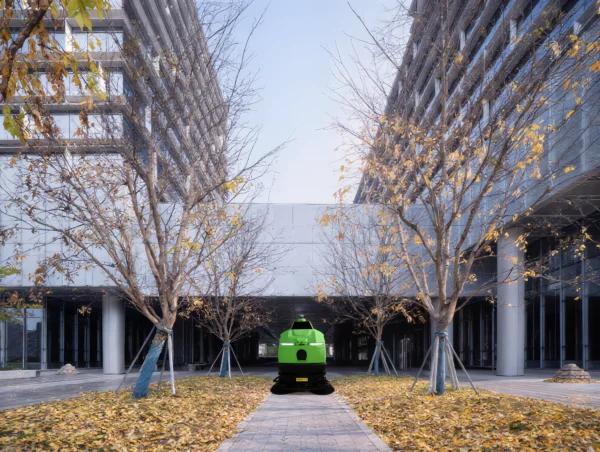
This change reduces repetitive labor demand and allows cleaning cycles to continue consistently, even during off-hours. Facilities benefit from predictable cleaning coverage and improved utilization of staff resources. Industry observations show that automation is particularly effective in large open environments where repeatable routes can be established efficiently.
Labor Optimization and Cost Distribution
When comparing both approaches, labor allocation is the most significant difference. Manual scrubbing systems require dedicated operators for each machine, especially in multi-shift environments. In contrast, autonomous systems can be supervised by a single operator managing multiple units.
This redistribution of workforce effort reduces dependency on cleaning labor availability and helps stabilize long-term operational planning. It also reduces indirect costs such as training cycles and scheduling inefficiencies.
Robot Floor Cleaner Efficiency in Large Facilities
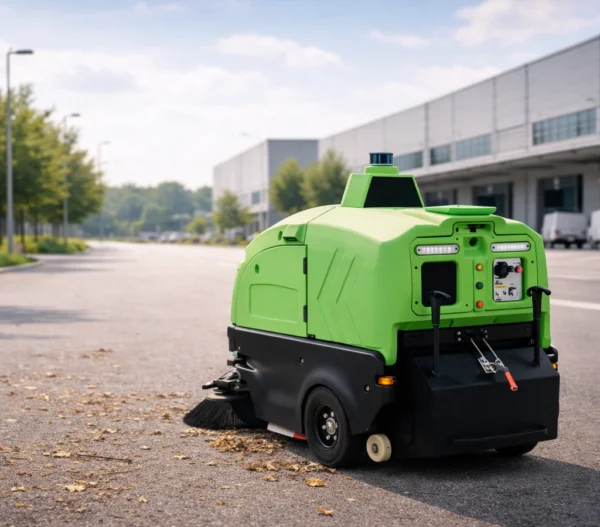
A robot floor cleaner delivers consistent route execution, which reduces missed areas and overlaps commonly seen in manual cleaning. This consistency improves surface coverage stability and allows facility managers to better estimate cleaning output per cycle.
In large-scale environments such as warehouses or manufacturing floors, this predictable performance supports more structured cleaning schedules and reduces variability in maintenance outcomes. Studies of autonomous systems indicate that ROI becomes more favorable in facilities with high square footage and regular cleaning requirements.
Conclusion
The comparison between manual scrubbing systems and automated solutions highlights a clear operational distinction. Traditional methods rely heavily on continuous labor input, while autonomous technologies shift cost structure toward equipment efficiency and scheduled oversight.
For facilities evaluating long-term maintenance strategy, the key consideration is not only cleaning performance but also predictability of cost and resource allocation. Greendorph continues to focus on developing solutions that support this transition toward more structured and efficient floor care operations.