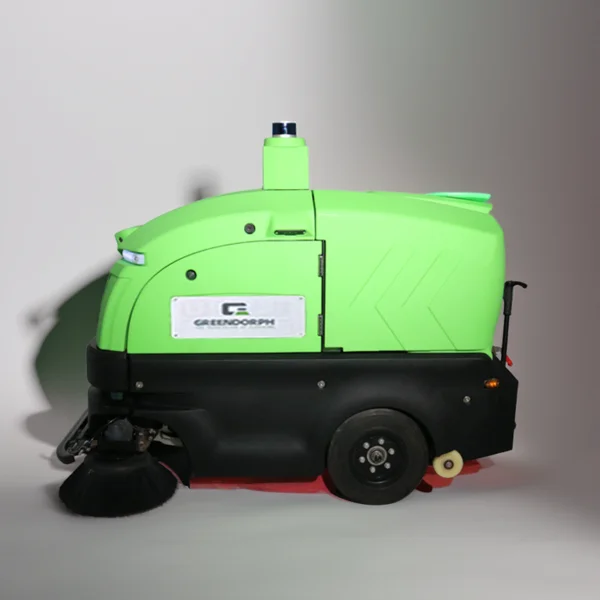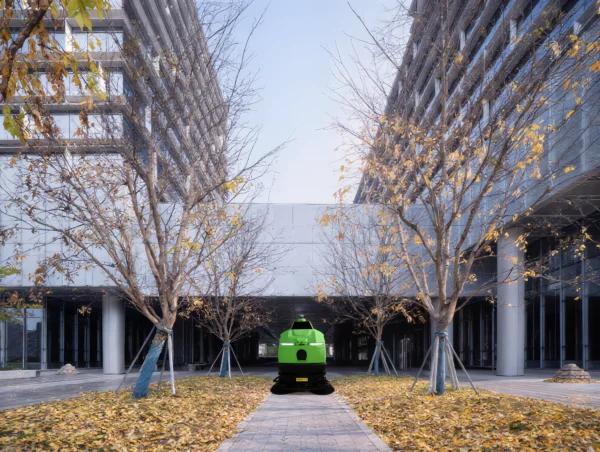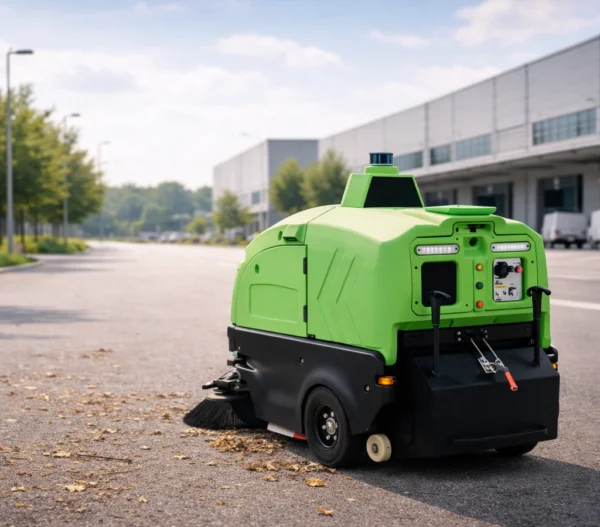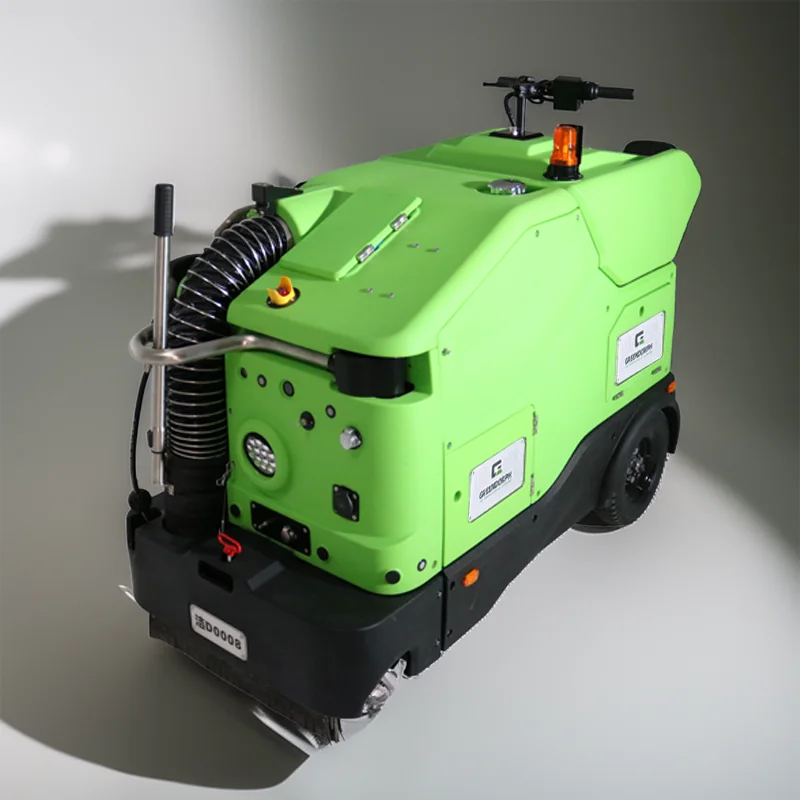
Modern municipalities face a complex logistical puzzle when designing sustainable, clean public pathways and roads for growing populations. Accumulations of fine dust, vehicle emissions, soot, and organic debris degrade pavement surfaces while actively lowering local air quality. Traditional manual street cleaning frameworks struggle to keep pace with rapid urban expansion, often leaving critical civic zones neglected. Integrating a high-efficiency autonomous street sweeper into municipal fleets addresses these problems directly, providing a highly predictable method for urban cleaning.
Transitioning toward smart city infrastructure requires a critical shift in how local governments evaluate municipal maintenance assets. Traditional combustion engine sweepers generate considerable carbon emissions and loud mechanical noise, making overnight cleaning operations in residential areas highly disruptive. By evaluating automated navigation platforms, smart water filtration systems, and low-emission electric drivetrains, municipal procurement teams can modernize their public works programs. Selecting a durable street sweeper for sale based on structural longevity and energy efficiency helps city planners optimize annual utility budgets.
Understanding the Role of Automation in Modern Public Health
Urban pavements act as giant collectors for industrial soot, heavy metal particles, and micro-litter that threaten local ecosystems. Standard sweeping methods often scatter these fine particulates into the atmosphere, bringing potential respiratory discomfort to nearby residents and commuters. Utilizing advanced filtration and targeted wet suppression allows smart cities to capture microscopic dust securely before it enters the breathing zone.
Deploying a specialized street sweeper helps city administrators maintain strict compliance with municipal air and water quality targets. These machines use high-efficiency particulate air filters to trap microscopic toxins, preventing them from washing into stormwater drainage systems. Our engineering projects prioritize these environmental protections, ensuring that daily cleaning operations actively support public health initiatives.
Harnessing High-Precision Sweeping Mechanics for Varied Terrains
Textured brick plazas, wide asphalt streets, and concrete transit lanes present different physical surfaces that require customized mechanical contact. Standard cleaning tools with fixed brush pressure often fail to extract deeply embedded debris from uneven expansion joints. Integrating responsive downpressure systems resolves this issue by keeping sweeping mechanisms in perfect contact with changing road profiles.
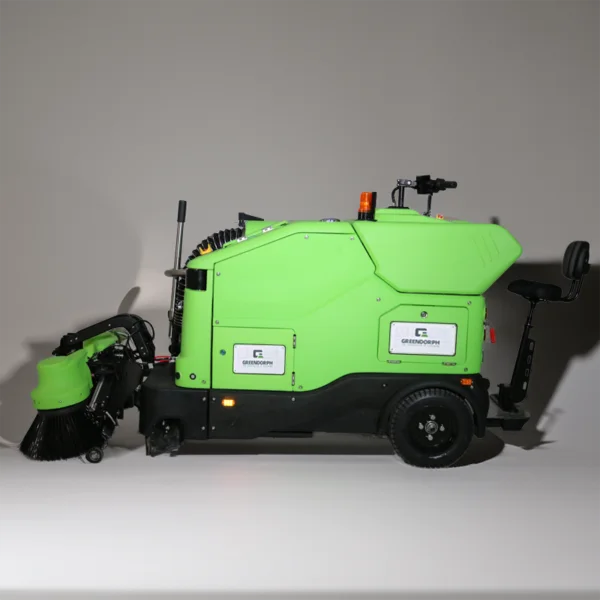
Whether it’s powerful street vacuum sweeper suction or deep water-powered cleaning, our ride-on street sweepers adapt to complex environments with minimal operator effort. This automated mechanical adjustment facilitates deep soil extraction without scraping or damaging protective stone sealants over time. At Greendorph, we calibrate our brushes to handle diverse street materials, ensuring uniform cleanliness across every neighborhood block.
Mitigating Liquid Waste Hazards with Advanced Moisture Recovery
Water puddles left behind on active sidewalks or crosswalks create immediate slip hazards and slowly damage underlying road structures. Removing this dirty washing slurry immediately requires high-velocity suction systems working in perfect coordination with robust squeegees. This mechanical extraction dries pavement surfaces within each pass, helping keep pedestrian traffic moving safely.
Investing in an advanced street sweeper for sale helps facility managers prevent slip-related accidents near major public buildings. Our negative-pressure suction channels pull wastewater effectively from deep concrete grooves, keeping high-traffic transit routes safe and ready for use. This precise moisture control keeps public paths accessible under diverse weather conditions, reducing overall municipal liability.
Powering Continuous City Maintenance with Extended Electric Endurance
To keep up with the demands of highly active urban centers, municipal utility fleets must run reliably across consecutive shifts. Traditional combustion engines require frequent fueling stops and complex mechanical upkeep, which leads to costly downtime. Switching to advanced, high-capacity battery configurations allows automated cleaning vehicles can handle extensive routes without needing midday charges.
Our machines, such as the YJ80, provide up to 8 hours of continuous deep cleaning on a single charge — helping your tasks be completed with minimal interruptions. At Greendorph, we optimize our electric drivetrains to maximize energy output, helping municipalities maintain continuous cleaning schedules quietly and cleanly. This extended operational range keeps critical public pathways remain immaculate around the clock.
Navigating Dense Public Spaces Safely with Sensor Fusion
Tight historic lanes, active parking bays, and busy pedestrian corridors present major physical navigation obstacles for bulky sweeping machinery. Relying on human drivers can lead to costly collisions with street furniture or parked vehicles in low-visibility environments. Utilizing real-time spatial mapping systems allows automated vehicles to navigate tight municipal layouts safely and precisely.
Combining LiDAR, 3D cameras, and ultrasonic sensors enables our equipment platforms to map their surroundings and adjust routes instantly. This autonomous capability lets a modern street sweeper can move safely around unexpected obstacles and pedestrians without stopping. We focus on precise spatial tracking to help cities run highly reliable cleaning programs with minimal human oversight.
Reducing Mechanical Complexity to Lower Long-Term Municipal Costs
Traditional internal combustion sweeping trucks feature complex hydraulic lines, drive belts, and fluid reservoirs that require frequent, specialized maintenance. Dusty operating conditions accelerate wear on these moving parts, leading to hydraulic leaks, sudden breakdowns, and expensive repair bills. Transitioning to direct-drive electric systems simplifies the mechanical footprint and prevents these frustrating maintenance issues.
Procuring a simplified street sweeper for sale reduces the frequency of unexpected breakdown costs during high-pressure municipal operations. This simplified electric design eliminates traditional engine oil changes, spark plug replacements, and high-pressure hydraulic line repairs. Keeping the underlying mechanical architecture simple boosts maximum vehicle uptime, keeping your fleet active on the ground.
Conclusion
Transforming municipal maintenance programs requires moving away from outdated manual sweeping toward smart, electric utility systems. Implementing low-emission, battery-powered street cleaning platforms allows city managers to protect pavements, preserve local air quality, and reduce water hazards quietly.
These compact, highly maneuverable vehicles deliver exceptional cleanliness consistency across expansive public plazas while reducing annual repair and labor expenses. Our team remains fully dedicated to engineering the robust, sustainable electric tools required to support grounds crews and keep global smart cities pristine.