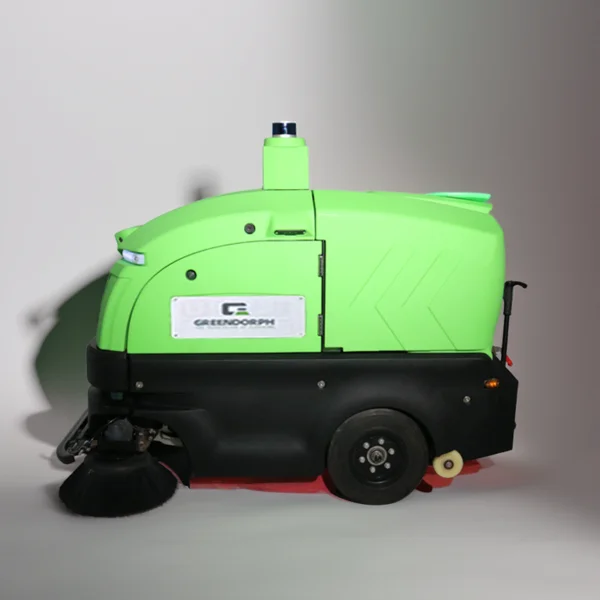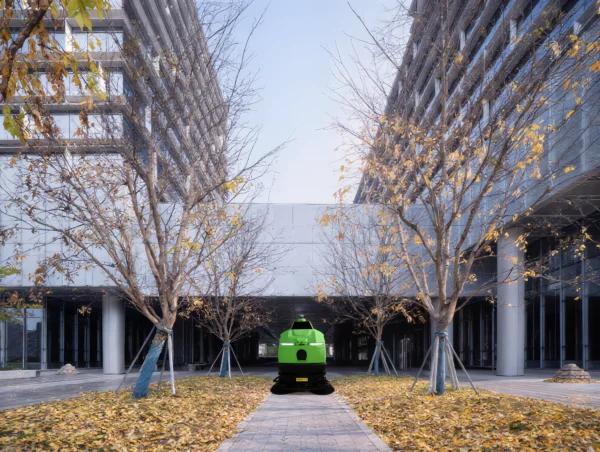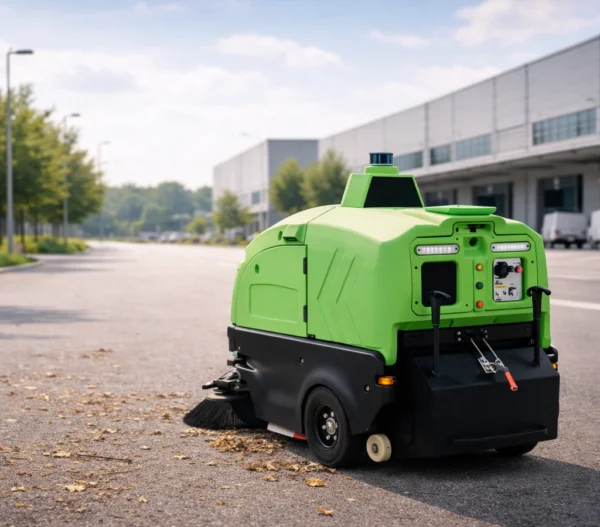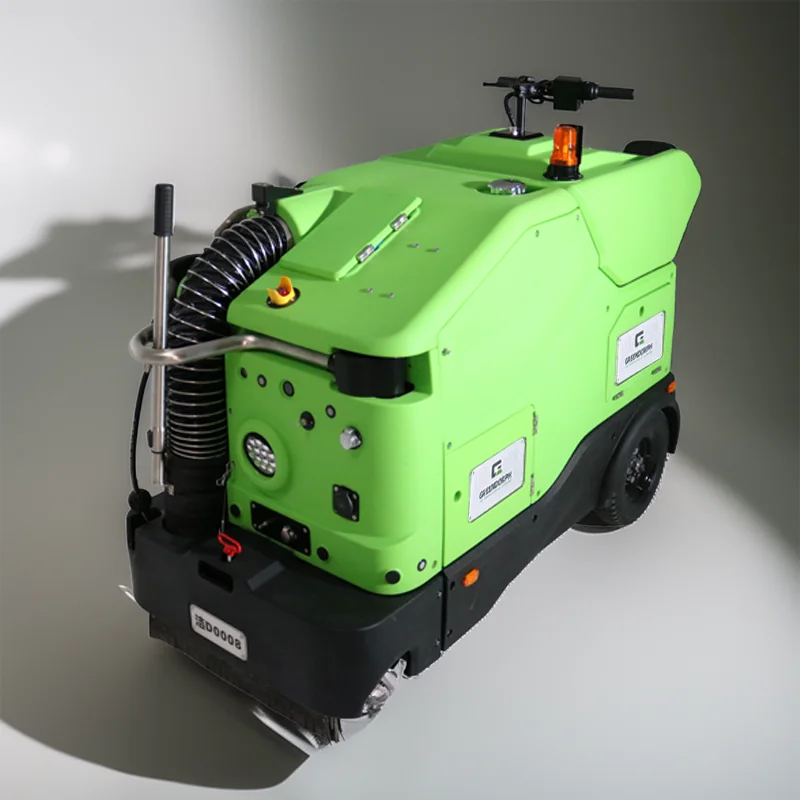
Dust management is one of the most persistent challenges in outdoor cleaning. For operators running a small street sweeper through car parks, pedestrianised areas, or industrial parks, uncontrolled dust reduces visibility, creates slip hazards, and can lead to complaints from tenants or visitors. Yet dust control is not solely about the machine’s filtration system—it involves a combination of operational technique, pre‑sweep planning, and real‑time adjustments. Drawing from our experience deploying autonomous and semi‑ride‑on cleaning robots across more than 300 projects, we have identified several practical strategies that help operators achieve cleaner results while minimising airborne particulates. Whether you manage a street sweeper fleet or operate a single small street sweeper, these tips can improve both performance and site satisfaction.
Adjust Water Flow to Match Surface Conditions
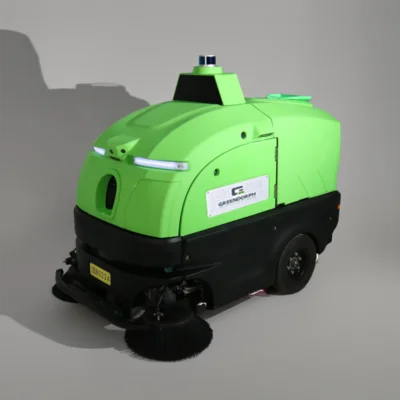
One of the most effective tools for dust suppression is controlled water application. A street sweeper equipped with an adjustable water system can significantly reduce fugitive dust, but only if the operator matches flow rates to the surface being cleaned. On smooth pavements or car parks, a fine mist applied just ahead of the brush creates enough moisture to bind fine particles without leaving puddles. On rougher surfaces such as industrial parks with aggregate pathways, a small street sweeper may require slightly higher flow to penetrate cracks where dust accumulates. We recommend starting with a moderate setting and observing the dust plume behind the machine. If visible dust rises more than one meter above the unit, flow should be increased incrementally until the plume dissipates. Conversely, excessive water can turn dust into mud that clogs filters and leaves residue. For operators using our SEMI‑ride‑on cleaning robot, the onboard control panel displays real‑time humidity and surface type recommendations based on past mission data, helping to calibrate water usage without guesswork. Proper water management transforms a street sweeper from a dust redistributor into a true containment tool.
Optimize Sweeping Paths to Minimize Dust Dispersion
The route a small street sweeper takes directly affects dust behavior. A common mistake is sweeping directly into wind or moving too quickly through areas with fine debris. When dust particles become airborne, prevailing winds can carry them beyond the cleaning zone, negating the work already done. We advise operators to plan sweeping passes that work with the wind direction whenever possible. If a street sweeper is cleaning a large car park, starting on the downwind side and working upwind allows the machine to capture dust before it drifts across previously cleaned areas. Additionally, reducing travel speed by 15‑20 percent in dust‑prone zones gives the vacuum system more time to capture particulates before they escape the brush enclosure. Our autonomous outdoor cleaning robots automatically adjust speed based on dust sensor feedback, but for manually operated small street sweeper units, this technique remains a simple yet highly effective control measure. Over multiple projects, we have observed that optimized routing can reduce visible dust complaints by nearly half without any change to equipment.
Maintain Seals and Filtration for Maximum Containment
Even with correct water use and routing, a street sweeper will struggle to control dust if its mechanical seals and filtration system are compromised. Dust bypass occurs around brush skirts, hopper seals, and filter housings. For a small street sweeper operating daily, these components experience wear that gradually reduces containment efficiency. We at Greendorph recommend a weekly inspection protocol: check brush skirt rubber for tears, verify that hopper seals close flush, and monitor filter differential pressure. A filter that becomes saturated before the scheduled change interval often indicates excessive dust loading—a sign that either water settings were too low or that the machine was operating in extremely dry conditions. In our fleet of autonomous cleaning equipment, the AI smart cloud platform alerts maintenance teams when filter efficiency drops below optimal thresholds, allowing proactive replacement before visible dust escape occurs. For operators without such telemetry, keeping a simple log of filter changes and dust observations helps identify patterns. A well‑maintained street sweeper retains dust far more effectively than any post‑sweeping water spray can compensate for.
Effective dust control does not require complex technology upgrades—it starts with thoughtful operation. By adjusting water flow to surface conditions, planning sweeping routes to work with wind, and maintaining seals and filters, operators can achieve cleaner results from any small street sweeper. These practices have been validated across our deployments in industrial parks, car parks, and pedestrianised areas, where consistent dust management directly correlates with client satisfaction. For organizations managing multiple street sweeper units, applying these operational techniques turns routine cleaning into a reliable dust containment process that protects both the site environment and the equipment’s long‑term performance.