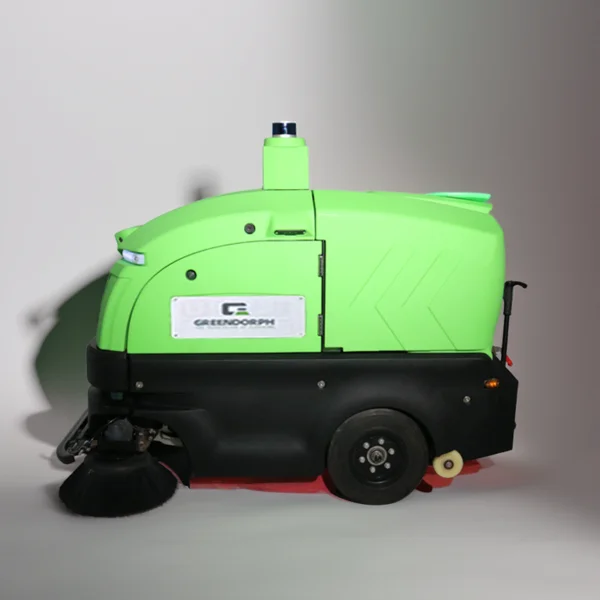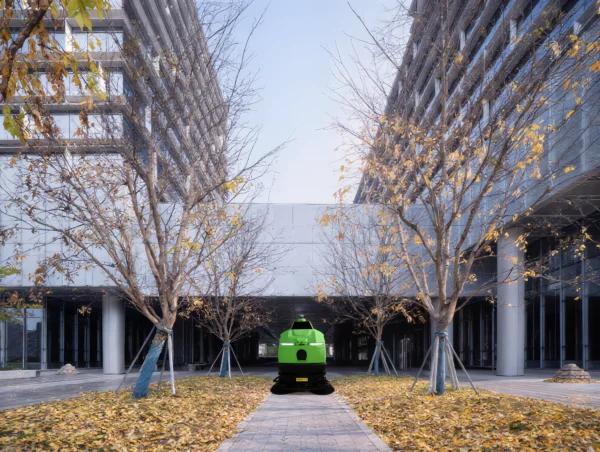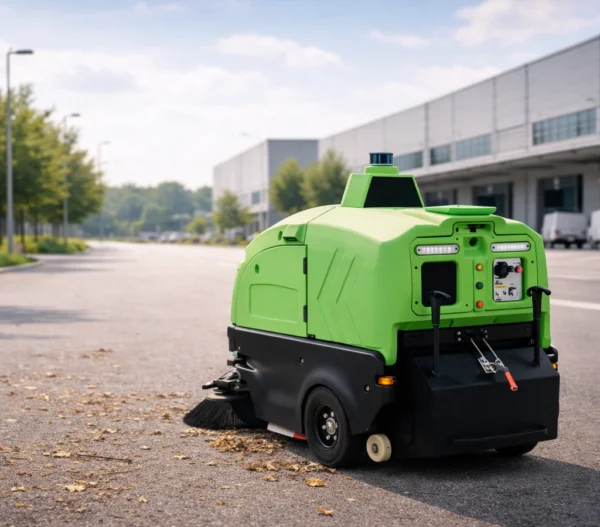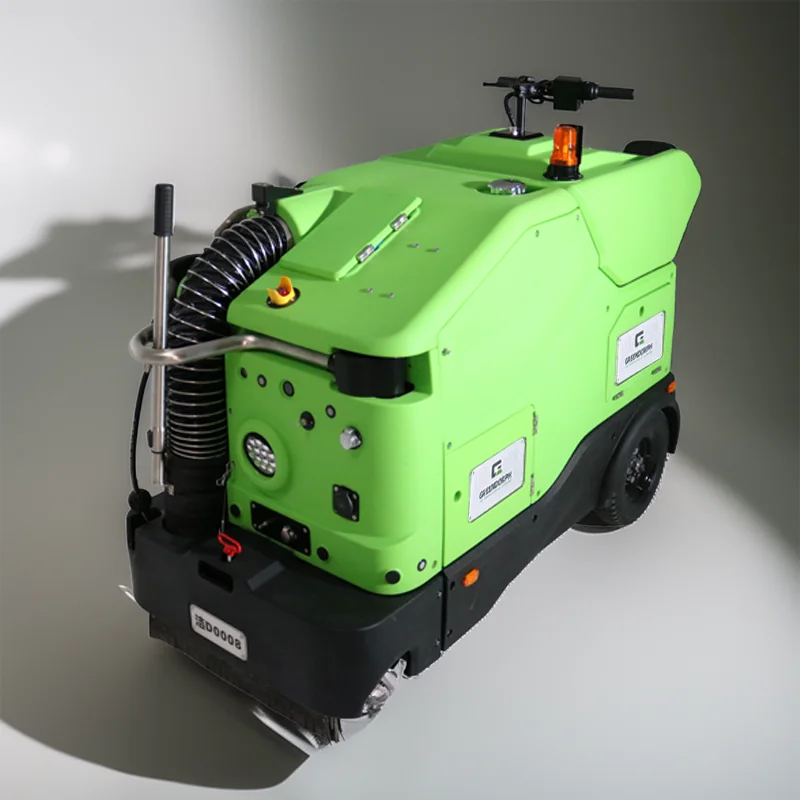
Logistics hubs operate under a simple imperative: every square foot must support continuous movement. Yet the spaces between loading docks, trailer parking rows, and access roads often become overlooked zones where debris accumulates, posing risks to tire integrity, pedestrian safety, and stormwater compliance. Across the distribution centers and intermodal facilities we partner with, a clear shift is underway. Facilities are moving away from one‑size‑fits‑all cleaning approaches and increasingly deploying small street sweeper platforms designed for the specific spatial constraints and operational rhythms of modern logistics environments.
Navigating Tight Maneuvering Spaces
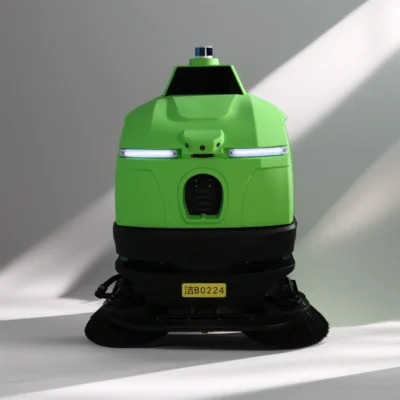
The architecture of logistics hubs prioritizes density over generous clearances. Trailer backing lanes, container stacking areas, and employee parking corridors leave little room for oversized equipment. A full‑size street sweeper often struggles to navigate these confined zones, forcing facilities to leave certain areas uncleaned or to rely on manual labor. Small street sweeper units address this gap with compact footprints and articulated steering that achieve turning radii under 15 feet. In our site evaluations, we at Greendorph have found that adding a small street sweeper to a fleet allows facilities to cover previously inaccessible areas—such as the narrow gaps between dock levelers and the spaces beneath trailer landing gear—without repositioning vehicles or disrupting yard flow. One hub we worked with reduced its manual sweeping labor by nearly 80% in tight maneuvering zones after introducing a purpose‑built street sweeper sized for its layout.
Matching Cleaning Cycles to Yard Operations
Logistics hubs operate on continuous, multi‑shift schedules where scheduled cleaning cannot pause throughput. Traditional street sweeper deployments often require yard holds or lane closures, creating friction between maintenance and operations teams. Small street sweeper models, particularly those with electric drivetrains, offer quieter operation and lower profiles that allow cleaning to occur during active shift changes without audible or spatial disruption. We design cleaning routes that align with natural lulls in yard activity—such as during driver break periods or between dispatch waves—enabling the street sweeper to work in parallel with material handling. In several facilities, we have integrated telematics that sync small street sweeper operations with gate entry data, automatically adjusting cleaning frequencies in zones that see the highest trailer turnover. This data‑driven approach ensures that the street sweeper deploys precisely when and where debris accumulation peaks, eliminating guesswork from scheduling.
Reducing Infrastructure Wear and Environmental Risk
Beyond immediate cleanliness, logistics hubs are recognizing the long‑term asset protection provided by consistent sweeping. Small debris—metal shavings from container doors, broken pallet fragments, and aggregate tracked from unpaved staging areas—acts as an abrasives that accelerates asphalt degradation and poses puncture risks to high‑value tires. A small street sweeper with high‑pressure water jets and vacuum systems removes these particles before they embed into pavement surfaces. We have tracked pavement maintenance intervals across facilities that adopted dedicated small street sweeper programs; the data consistently shows extended resurfacing cycles and reduced tire replacement frequency in swept zones. Additionally, modern street sweeper platforms equipped with filtration systems capture fine particulates that would otherwise enter storm drains, helping facilities maintain compliance with industrial stormwater permits without adding separate treatment infrastructure.
The upgrade to small street sweeper platforms reflects a broader evolution in logistics facility management: the recognition that cleaning equipment must fit the facility, not the other way around. By selecting street sweeper solutions that match spatial constraints, operational schedules, and environmental requirements, logistics hubs transform sweeping from a compromise into a competitive advantage. Cleaner yards, safer traffic flow, and reduced infrastructure wear ultimately contribute to the same goal that defines every logistics operation—keeping goods moving reliably.