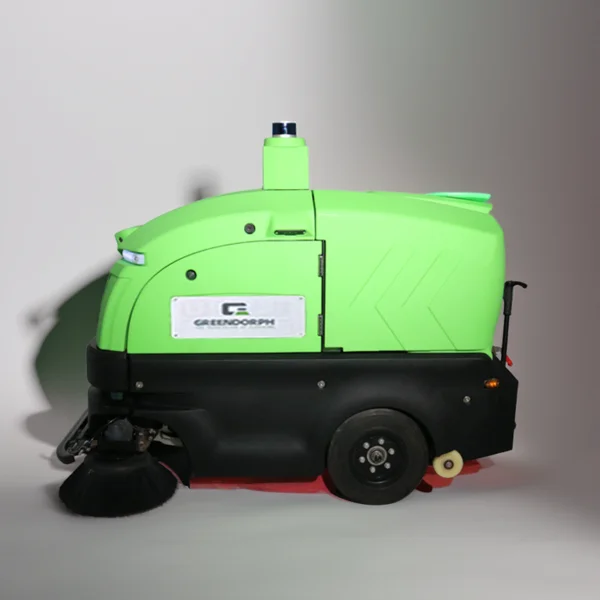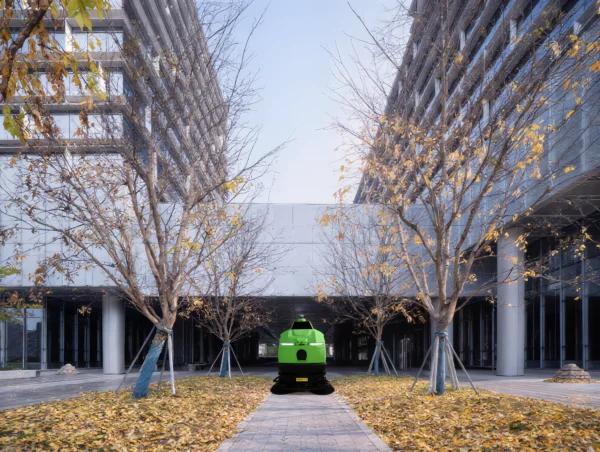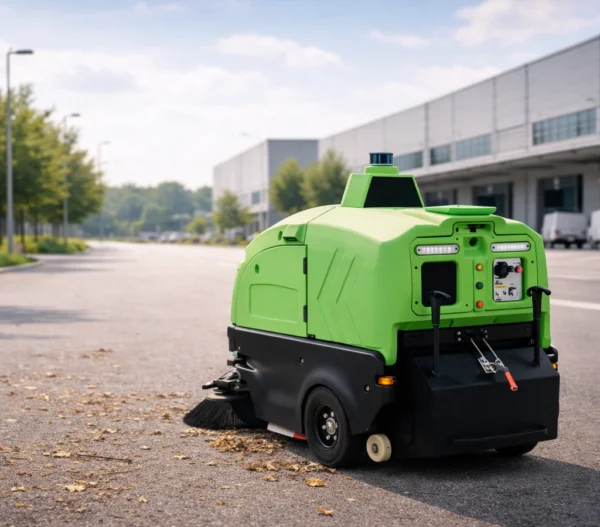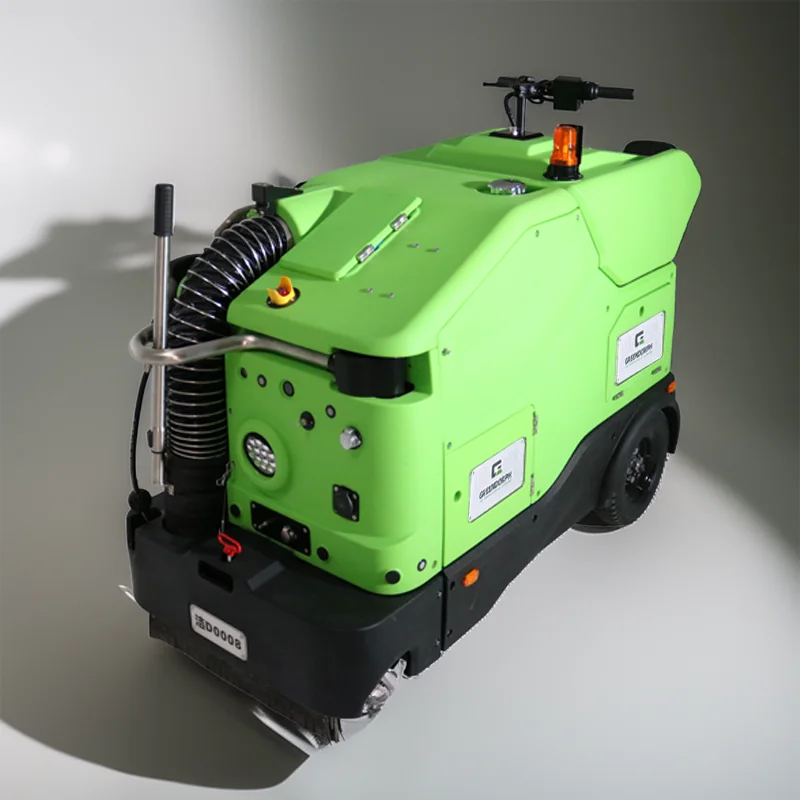
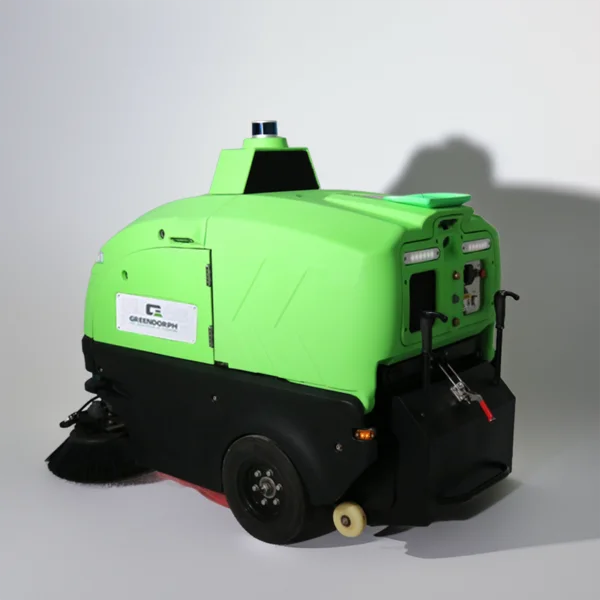
Maintaining cleanliness in tight urban environments often feels like a constant battle against physical geometry. When sidewalks narrow and pedestrian density increases, standard maintenance equipment simply fails to perform with the necessary agility. At Greendorph, we frequently encounter facility managers and municipal crews struggling to deploy heavy machinery in these restricted, high-pressure areas. Integrating a specialized robot floor cleaner offers a distinct strategic advantage, allowing for consistent, high-quality upkeep without ever interrupting the flow of daily foot traffic or risking damage to delicate street-side infrastructure. Our objective is to simplify the management of these spaces through targeted technological implementation.
Adapting to Geometric Constraints
The primary challenge of cleaning narrow streets lies in the lack of maneuverability provided by traditional tools. Older methods often require extensive manual labor or oversized vehicles that effectively obstruct movement and frustrate commuters. By utilizing a high-efficiency electric floor sweeper, crews can now operate with much greater precision and speed. These compact units are engineered to detect obstacles instantly, ensuring that dust, litter, and debris are cleared from deep corners and along building walls where larger, conventional equipment cannot possibly reach. This precise approach significantly minimizes the need for follow-up manual sweeping, saving valuable time during each maintenance shift and reducing labor costs over the long term.
Tactical Deployment and Operational Performance
When we deploy a robot floor cleaner in busy corridors, the operational focus shifts toward data-driven coverage and route optimization. We carefully monitor how these machines interact with fixed urban obstacles like signage poles, public benches, and frequent delivery zones to ensure total surface area coverage. Simultaneously, a high-performance electric floor sweeper provides the mechanical agitation necessary to lift stubborn grit from cracked, uneven, or moisture-prone pavement surfaces that standard brushes might miss. Our technical team at Greendorph always prioritizes units that balance a compact chassis with high-capacity debris collection systems. This ensures that even the narrowest street is left completely finished without requiring additional intervention or multi-pass efforts, which saves resources and keeps the flow of people uninterrupted.
Reliability and Longevity in High-Traffic Zones
Maintaining a consistent, daily sanitation schedule requires hardware that endures constant use in demanding environments. We routinely examine the battery longevity, motor output, and brush durability of every piece of equipment we field to ensure it meets our rigid operational standards. A robust electric floor sweeper performs reliably even when faced with fluctuating ground conditions, such as wet leaves, heavy dust, or uneven concrete seams. Because Greendorph machines prioritize mechanical durability and easy, modular maintenance, facility operators find that unexpected downtime is drastically reduced. This stability ensures that the public perception of the urban environment remains consistently positive throughout the entire season, regardless of how challenging the specific corridor geography happens to be for human operators.
Conclusion: Refining Urban Maintenance Strategies
The shift toward automated sanitation is a practical, necessary response to the physical limitations of our aging city infrastructures. Adopting a reliable robot floor cleaner allows professional teams to focus on complex, high-value tasks while the machines handle repetitive, low-impact sweeping duties with extreme efficiency. As we look ahead, the intelligent integration of advanced floor maintenance equipment will remain a foundational pillar of effective public space management for years to come. Achieving clean, safe streets requires a serious commitment to utilizing the correct tools, ensuring that narrow spaces never hinder our overall goal of maintaining pristine urban environments for everyone who visits or resides in these vibrant, dense communities.