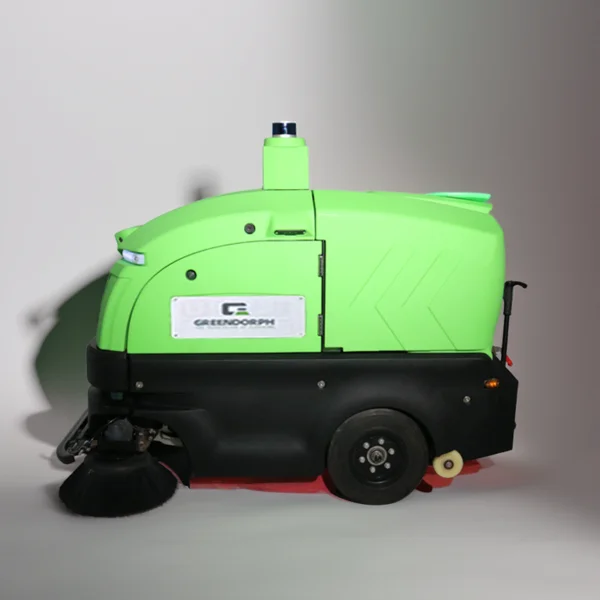
Sustaining a pristine environment across expansive corporate headquarters, retail distribution hubs, and public transport fields demands a comprehensive approach to surface preservation. Strong winds, shifting seasonal cycles, and continuous vehicular traffic transport heavy dust layers, gravel, and organic litter onto concrete pavements. Ignoring this constant accumulation of grime creates slippery driving conditions and allows fine grit to damage concrete sealants. Integrating an automated parking lot sweeper into grounds operations offers facility engineers a systematic, highly predictable framework to handle outdoor particulate buildup cleanly.
Managing massive outer footprints involves looking beyond standard manual labor to implement efficient, highly scalable utility machinery. Traditional sweeping methods using manual push brooms are exceptionally slow, physically exhausting, and often kick fine dust back into the air. By analyzing critical mechanical features—such as brush torque configurations, wet suppression systems, and autonomous navigation setups—operations teams can transform their cleaning routines. Deploying high-efficiency power sweepers for parking lots safeguards structural investments while optimizing annual maintenance budgets and labor costs.
Mitigating Fine Particulate Dispersion and Protecting Air Quality
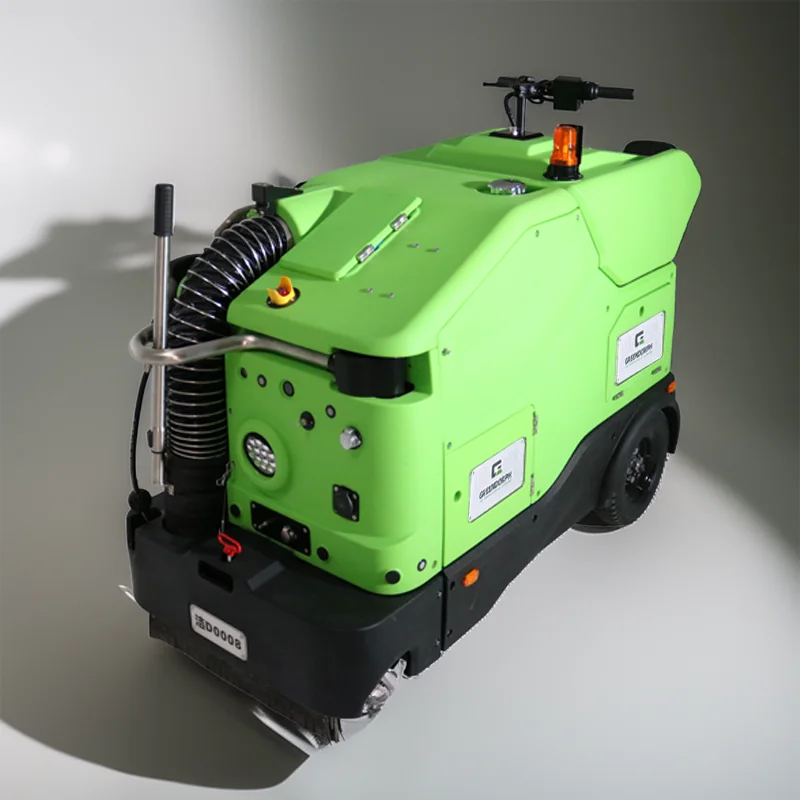
Dry sweeping across dry concrete decks often kicks up dense dust clouds, exposing drivers and pedestrians to unhealthy airborne particulates. Modern dust containment relies on a balanced system that uses high-pressure water misters to bind small particles together right before vacuuming. This wet-suppression mechanism traps fine concrete dust securely inside the collection hopper instead of venting it back into the facility.
Our high-capacity parking lot sweeper can effectively contain trapped fine particles inside the equipment during long-hour operations. High-efficiency fabric filters prevent fine particulate matter from escaping back into the public air during long cleaning shifts. Our engineering designs prioritize these sealed air pathways to protect indoor air quality and safeguard workers from inhaling fine airborne dust.
Overcoming Seasonal Debris Challenges with Robust Brushes
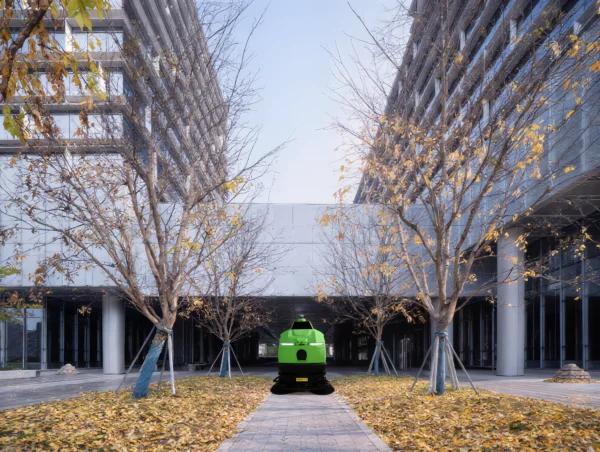
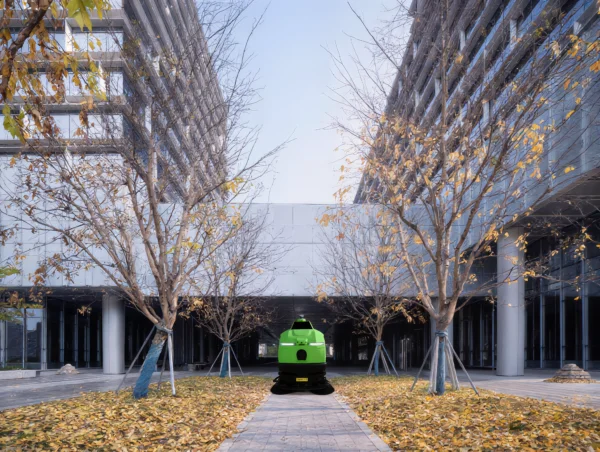
Outdoor residential spaces experience a continuous influx of natural waste that shifts drastically with changing weather patterns and seasonal drops. The seasonal struggle highlights why standard sweeping routines fall short: the biggest enemy here isn’t just dust—it’s organic debris. Leaves and twigs constantly accumulate on the textured brickwork, where wet conditions cause them to stick firmly and create slippery pedestrian hazards.
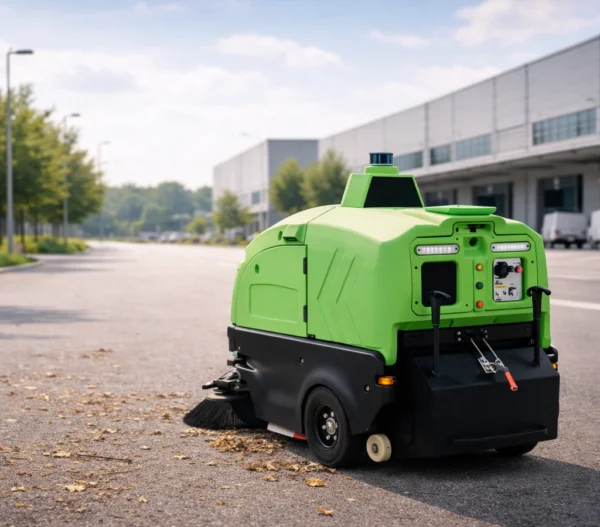
Solving this issue requires matching mechanical brush rotation with strong vacuum suction forces to lift damp, compacted organic layers easily. Using specialized power sweepers for parking lots delivers that stubborn surface dirt is loosened and collected without causing premature bristle wear. This calculated contact lifts heavy gravel and wet organic layers easily, leaving your shared community sidewalks immaculate.
Scaling Daily Maintenance Workflows with Autonomous Navigation
Sustaining continuous grounds care across extensive commercial properties with a lean maintenance workforce requires a thoughtful shift toward automation. Traditional human-guided sweepers often skip pathways or fail to maintain consistent speeds, leading to uneven surface care and wasted energy. Integrating smart navigation systems resolves this operational gap by allowing equipment to follow pre-mapped cleaning paths precisely.
From dust and leaves to everyday debris – Greendorph parking lot sweepers run autonomously across open lots and access roads, keeping your site clean with minimal oversight. At Greendorph, we design our autonomous utility platforms to handle demanding cleaning routes safely without putting workers in harm’s way. This motorized assistance allows your crew to focus on complex maintenance tasks while the machine runs its continuous cleaning loops.
Navigating Dense Public Spaces Safely with Sensor Fusion
Tight historic lanes, active parking bays, and busy pedestrian corridors present major physical navigation obstacles for bulky sweeping machinery. Relying on human drivers can lead to costly collisions with street furniture or parked vehicles in low-visibility environments. Utilizing real-time spatial mapping systems allows automated vehicles to navigate tight municipal layouts safely and precisely.
Our compact autonomous chassis designs incorporate advanced steering setups that allow our specialized parking lot sweeper models to spin in place safely. This agile configuration allows the machine to clean right up to the edge of concrete barriers and access tight community plazas. This precision navigation assures that hard-to-reach corners receive a deep, thorough clean without requiring any manual human steering.
Transitioning to Quiet Electric Power for Silent Operations
Operating loud combustion-engine utility trucks during overnight shifts can create major noise disruptions for nearby residential properties. These high decibel levels often trigger resident complaints, forcing property managers to delay essential cleanings and disrupt daily schedules. Shifting to advanced, battery-powered electric drivetrains helps communities run quiet, eco-friendly cleaning shifts at any hour of the day or night.
Utilizing clean power sweepers for parking lots reduces operational noise levels significantly, allowing teams to sweep yards during quiet evening hours. This low-noise electric cleaning setup cuts yearly power expenses and curbs carbon emissions generated on-site at your facility. We design our electric drivetrains to maximize energy efficiency, helping you maintain consistent daily cleaning schedules quietly and cleanly.
Conclusion
Sprawling commercial properties face a constant challenge: dust accumulation, moisture hazards, pavement wear, and rising labor costs. Manual cleanup routines simply can’t keep pace. The solution is automated electric parking lot sweepers—certified, highly maneuverable, and whisper-quiet. These battery-powered vehicles provide exceptional cleaning consistency, protect valuable pavement surfaces, and dramatically reduce annual operating expenses. Our team engineers sustainable electric tools that support grounds crews and maintain pristine standards worldwide.