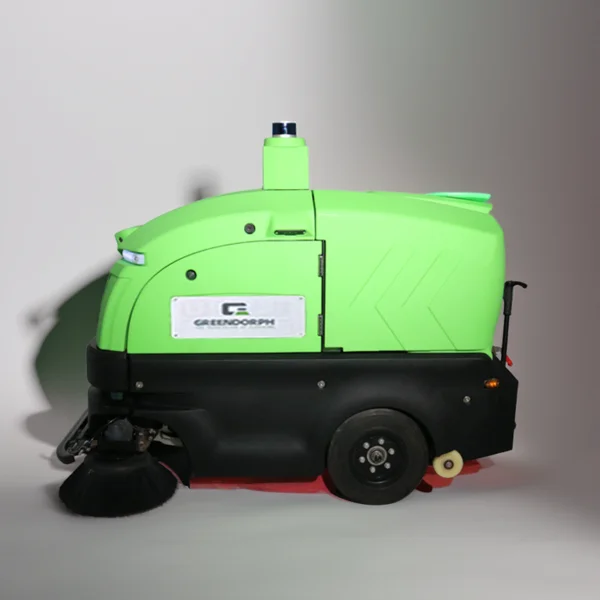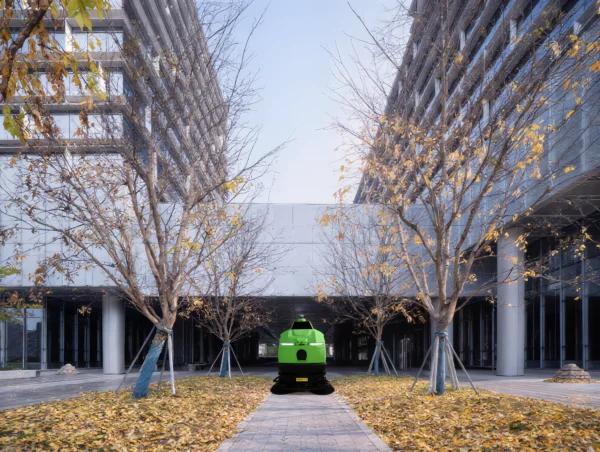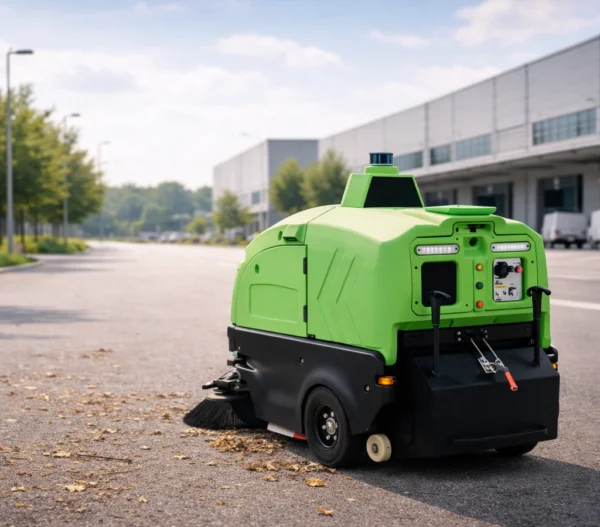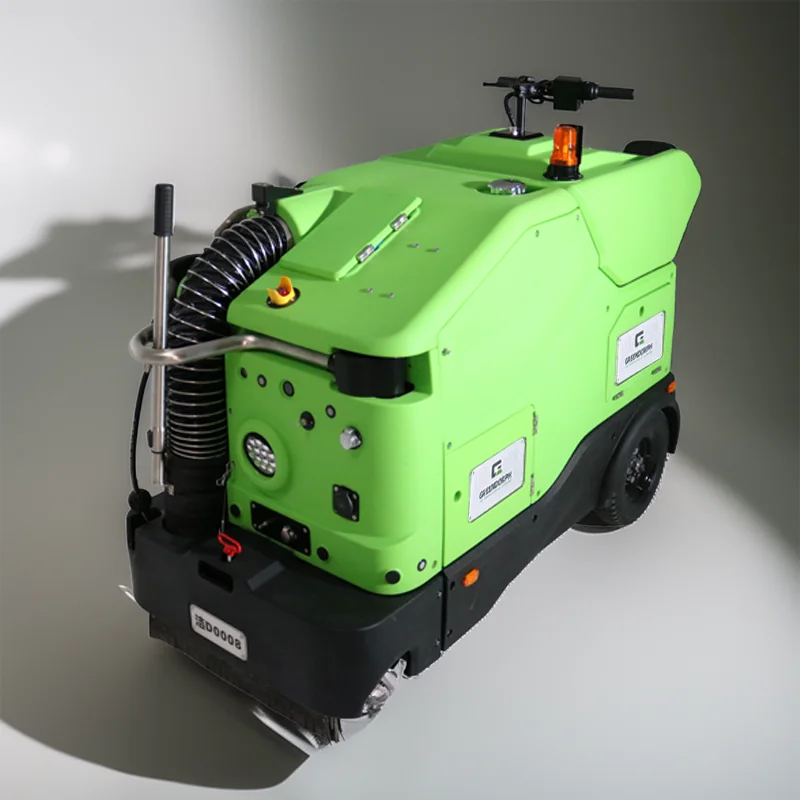
Navigating busy public pathways requires a comprehensive strategy to combat the steady build-up of micro-debris, spilled liquids, and seasonal leaf fall. Thousands of daily steps grind fine sand, gravel, and food waste into paving stone joints, slowly degrading the aesthetic appeal and physical integrity of walkways. Standard manual cleaning approaches can hardly sustain consistent sanitation in crowded areas, which creates severe cost pressure on labor budgets. Integrating a highly maneuverable small street sweeper into daily fleet operations offers public works teams a reliable, mechanized method to keep pavements safe.
Every bustling urban corridor features complex layout transitions, shifting from wide plazas to narrow concrete alleyways flanked by benches, trees, and trash receptacles. Standard full-sized municipal trucks are simply too large and heavy to operate safely in these tight pedestrian spaces without causing blockages or physical property damage. Analyzing key machine parameters—such as mechanical brush turning geometries, fast negative-pressure vacuum extraction, and low-emission battery runtimes—helps planners modernize their ground care operations.
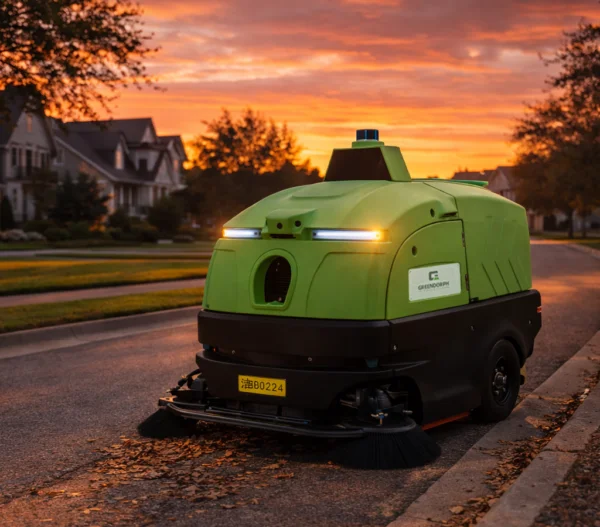
Mitigating Fine Particulate Clouds and Improving Local Air Quality
Dry sweeping across outdoor brick plazas can easily launch dense clouds of fine silica dust, creating respiratory discomfort for nearby shoppers and diners. Effective particulate management relies on multi-stage filtration systems working alongside high-pressure water misting nozzles to bind small particles together right before vacuuming. This wet-suppression mechanism traps fine concrete dust securely inside the collection hopper, preventing it from venting back into the community.
Deploying an advanced small street sweeper delivers that fine dust is captured cleanly without creating airborne hazards along local walkways. High-efficiency fabric filters prevent fine particulate matter from escaping back into the public air during long cleaning shifts. Our engineering projects prioritize these sealed air pathways to protect local urban environments and safeguard residential neighborhoods from airborne dust.
Optimizing Moisture Containment for Dry and Slip-Free Sidewalks
Persistent residual wastewater on busy sidewalks and crosswalks compromises pedestrian safety and gradually deteriorates concrete pavement surfaces. Professional-grade sanitation relies on coordinated mechanical drying systems that pair robust squeegee pressure with high negative-pressure suction. This integrated working mechanism efficiently extracts dirty slurry in a single cleaning pass, delivering thoroughly dry, traffic-ready pedestrian surfaces at all times.
Operating a high-capacity street sweeper enables clean washing water and active detergent are spread perfectly across textured public pavements. Our specialized vacuum systems generate high suction velocity, pulling water even from deep concrete expansion joints. This rapid moisture containment prevents slip-and-fall accidents, keeping busy public transit corridors safe and accessible.
Maximizing Labor Productivity Across Variable Shift Demands
Persistent staffing shortages and high physical burnout make it increasingly difficult for municipal grounds crews to maintain consistent daily cleaning schedules. Pushing heavy brooms and manual collection carts across vast public spaces is exhausting, often leading to missed areas and slow cleanup times. Modern public works teams need highly flexible machinery that supports staff and automates repetitive sweeping paths easily.
From routine sweeping to peak-hour coverage – Greendorph street cleaning sweeper helps your team cut labor costs, reduce physical strain, and keep every space consistently clean. At Greendorph, we design our compact utility platforms to handle demanding cleaning routes safely without putting workers in harm’s way. This motorized assistance allows your crew to focus on complex maintenance tasks while the machine runs its continuous cleaning loops.
Navigating Tight Architectural Spaces with Agile Steering Chassis
Narrow pedestrian walkways, outdoor restaurant patios, and busy subway entrances present major physical navigation obstacles for standard utility vehicles. Large cleaning trucks can easily strike decorative lampposts or block active pathways, causing costly structural damage and traffic delays. Ground teams require compact, highly agile utility platforms engineered to navigate around delicate outdoor benches and unexpected path barriers smoothly.
Our compact autonomous chassis designs incorporate advanced steering setups that allow our specialized small street sweeper models to spin in place safely. This agile configuration allows the machine to clean right up to the edge of concrete barriers and access tight community plazas. This precision navigation assures that hard-to-reach corners receive a deep, thorough clean without requiring any manual human steering.
Transitioning to Quiet Electric Power for Silent Neighborhood Cleanup
Operating loud combustion-engine utility trucks during early morning shifts can create major noise disruptions for nearby residential properties. These high decibel levels often trigger resident complaints, forcing property managers to delay essential cleanings and disrupt daily schedules. Shifting to advanced, battery-powered electric drivetrains helps communities run quiet, eco-friendly cleaning shifts at any hour of the day or night.
Selecting a low-emission street sweeper helps properties maintain consistent daily cleaning schedules quietly and cleanly. This quiet electric operation slashes annual energy costs while effectivey removing localized carbon emissions from your facility footprint. We design our electric drivetrains to maximize energy efficiency, helping you maintain consistent daily cleaning schedules quietly and cleanly.
Conclusion
Public spaces deserve smarter maintenance—automated electric sweepers replace manual routines with quiet, low-emission performance. Dust control, pavement protection, and moisture management—all while lowering labor and repair costs. We engineer sustainable electric tools that support grounds crews and keep smart cities pristine.