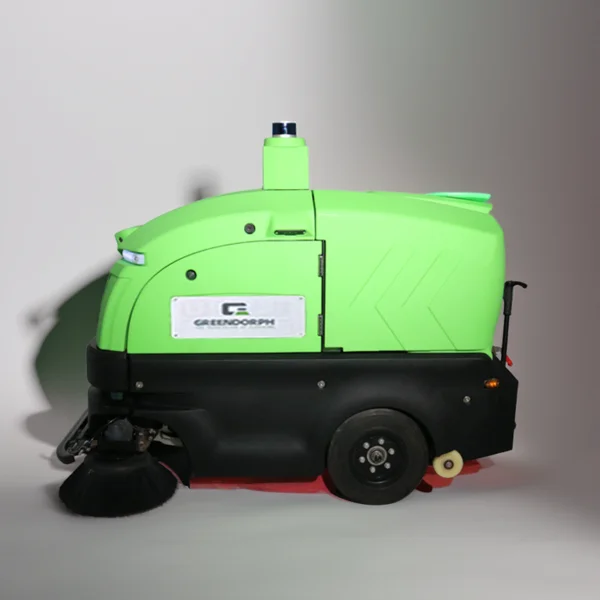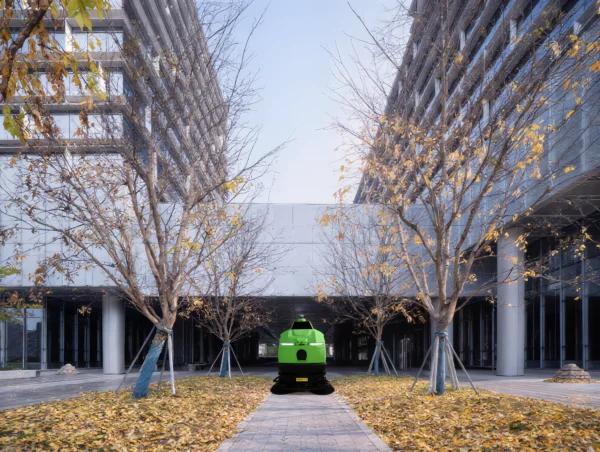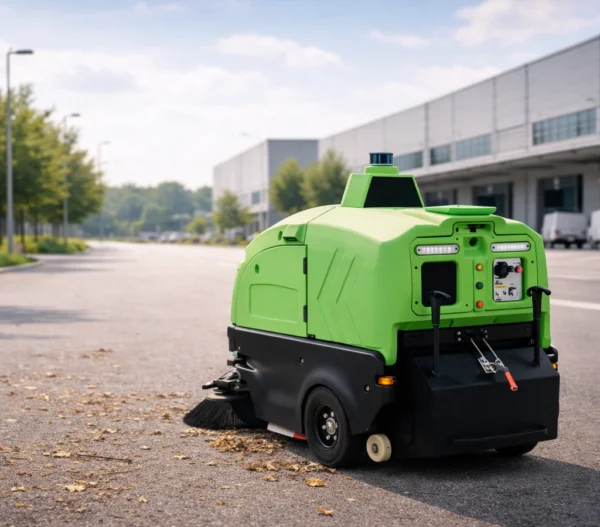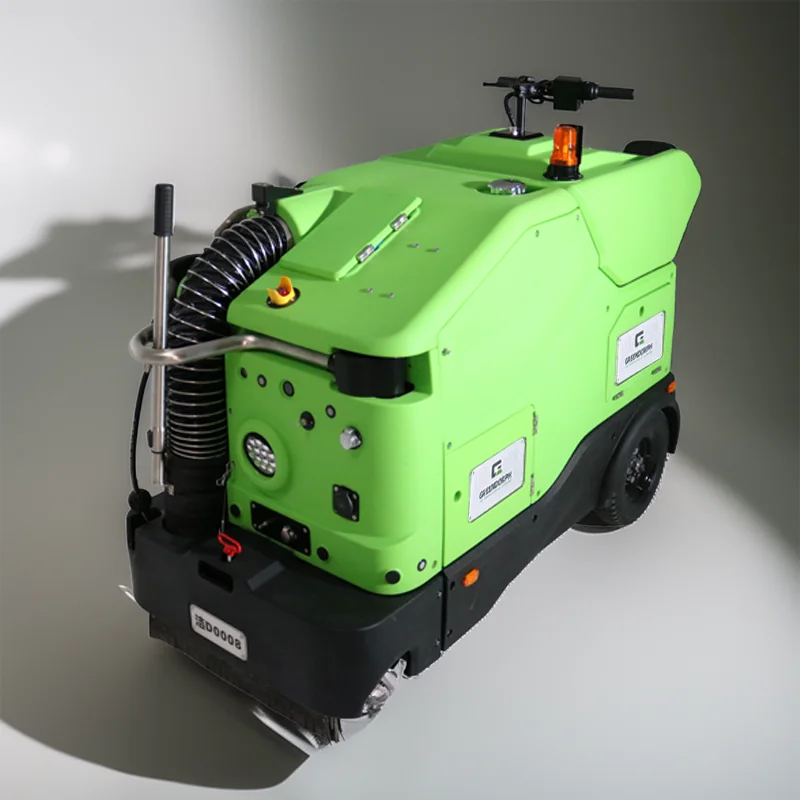
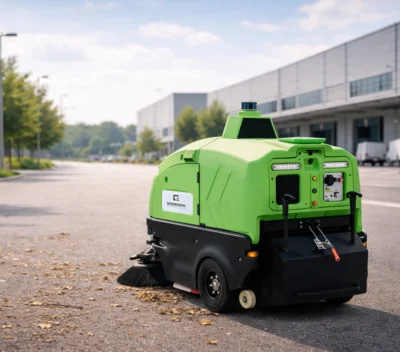
At Greendorph, we recognize that every street sweeper operation goes beyond cleanliness. It directly affects how safely people move through urban environments. Street sweepers are essential for removing debris, improving visibility, and maintaining road conditions that reduce accidents for both vehicles and pedestrians.
However, these machines are large and operate in shared public spaces. Even at relatively low speeds, their weight and size can create risks if safety is not properly managed. This is especially relevant in pedestrian-heavy areas such as sidewalks, plazas, and public pathways.
Challenges in Sidewalk Street Sweeper Operations
A sidewalk street sweeper operates in tighter, more complex environments compared to traditional road equipment. Sidewalks often include obstacles such as benches, signage, and uneven surfaces. They are also unpredictable spaces where pedestrian movement can change quickly.
Compact sweepers are designed to navigate these environments with better maneuverability and precision, allowing operators to work efficiently in confined spaces. Still, the shared nature of these areas increases the importance of awareness and control.
Pedestrians may not always anticipate a machine approaching from behind or around corners. Blind spots, noise levels, and limited visibility can further increase operational risk.
Key Measures to Improve Pedestrian Safety
We approach safety as a combination of equipment design and operational discipline. A well-designed street sweeper should provide clear visibility for the operator, reducing blind spots and improving awareness of nearby pedestrians. Features such as cameras, mirrors, and lighting systems help ensure safer interaction in crowded environments.
Equally important is operator training. Skilled operators understand how to adjust speed, maintain safe distances, and anticipate pedestrian behavior. Proper training remains one of the most effective ways to prevent incidents during sweeping operations.
Warning systems also play a critical role. Audible alerts and visual signals notify pedestrians when a machine is nearby, especially in areas with limited visibility. These features help create a safer shared space without disrupting pedestrian flow.
Designing Safer Sidewalk Cleaning Solutions
At Greendorph, we focus on developing sidewalk street sweeper solutions that align with real urban conditions. Compact structures, smooth handling, and precise control allow operators to navigate pedestrian zones more safely.
We also consider environmental factors such as noise and emissions. Electric-powered sweepers reduce noise levels, making it easier for pedestrians to remain aware of their surroundings while minimizing disturbance in public spaces.
Filtering systems and controlled dust management further improve air quality, ensuring that cleaning operations do not negatively impact nearby pedestrians.
Conclusion
Pedestrian safety is a central consideration in every street sweeper operation. From machine design to operator training, each element contributes to safer interactions in shared spaces.
At Greendorph, we continue to refine how a sidewalk street sweeper performs in real-world environments. By combining thoughtful engineering with responsible operation practices, we support cleaner streets while maintaining a safe and comfortable experience for pedestrians.